
Last updated November 23, 2026
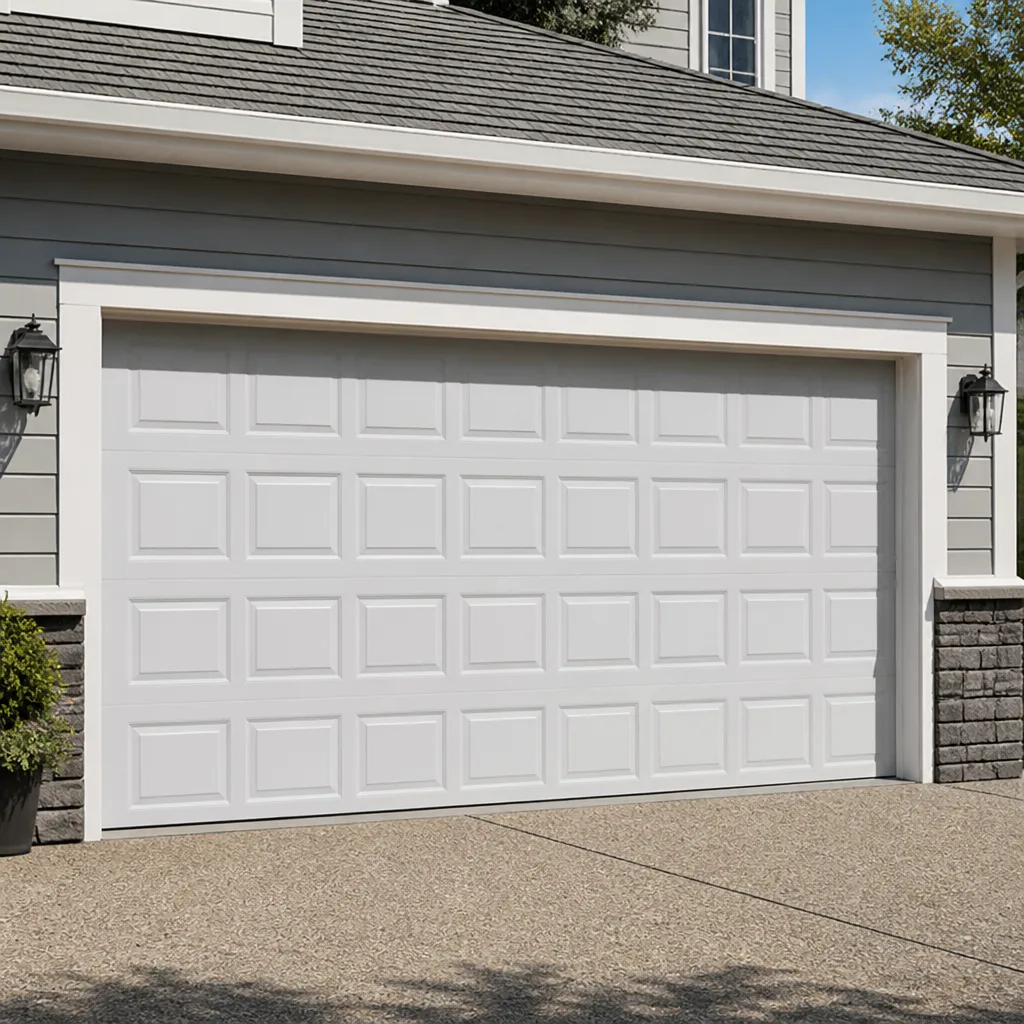 Raised-panel steel
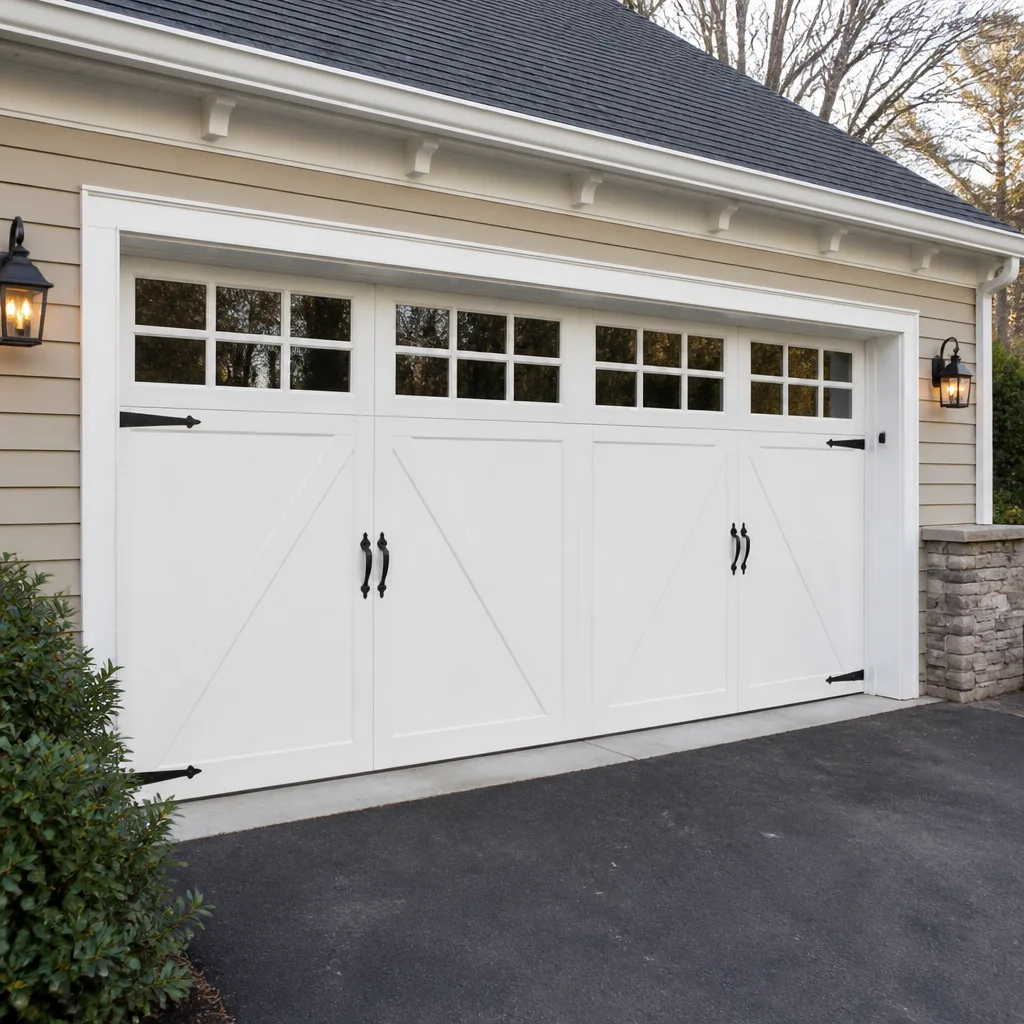 Carriage house
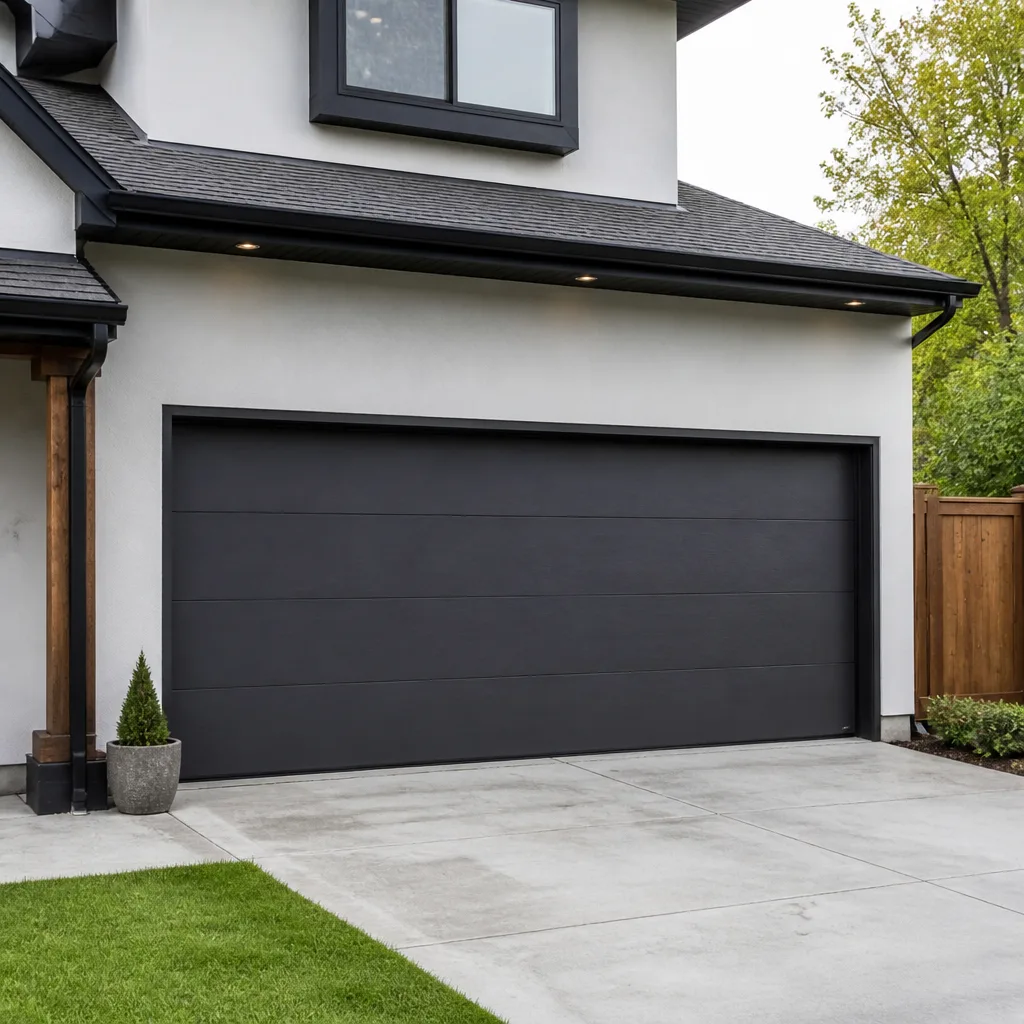 Modern flush
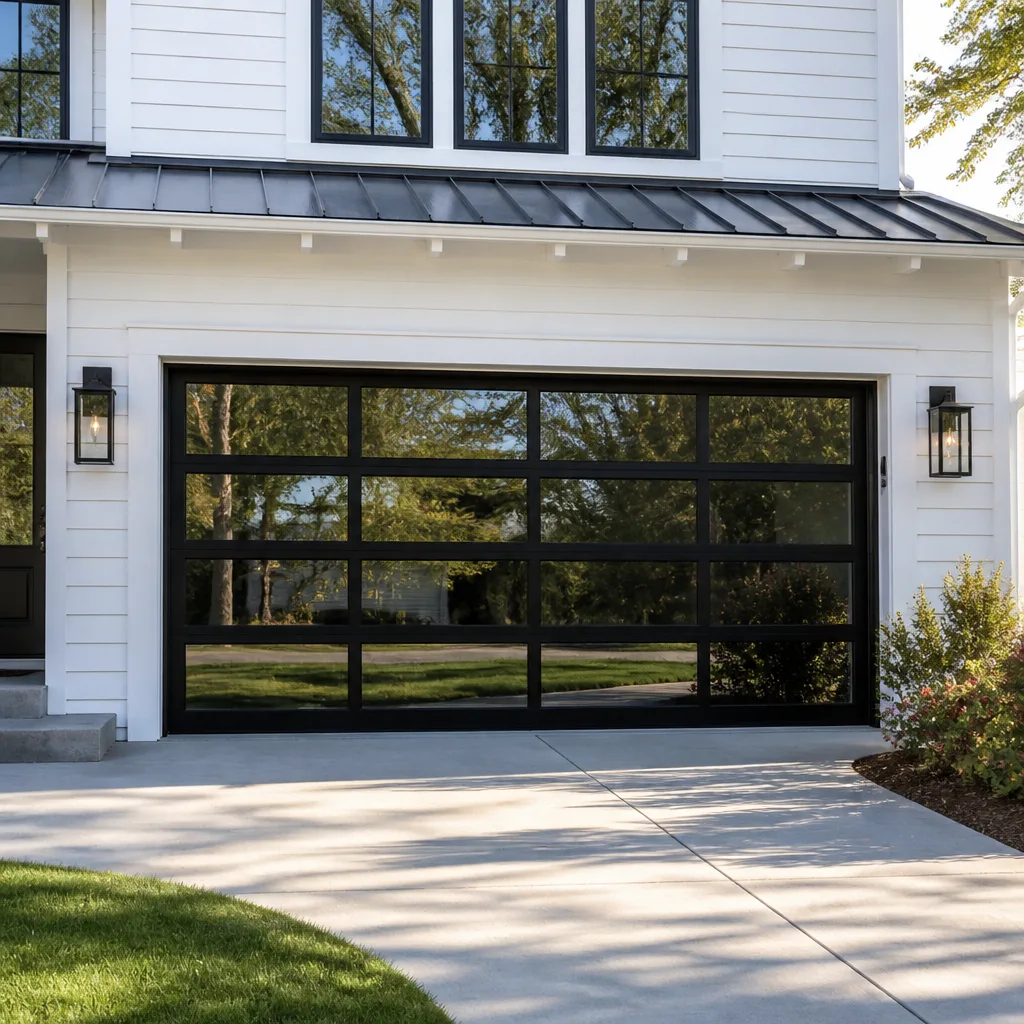 Full-view glass
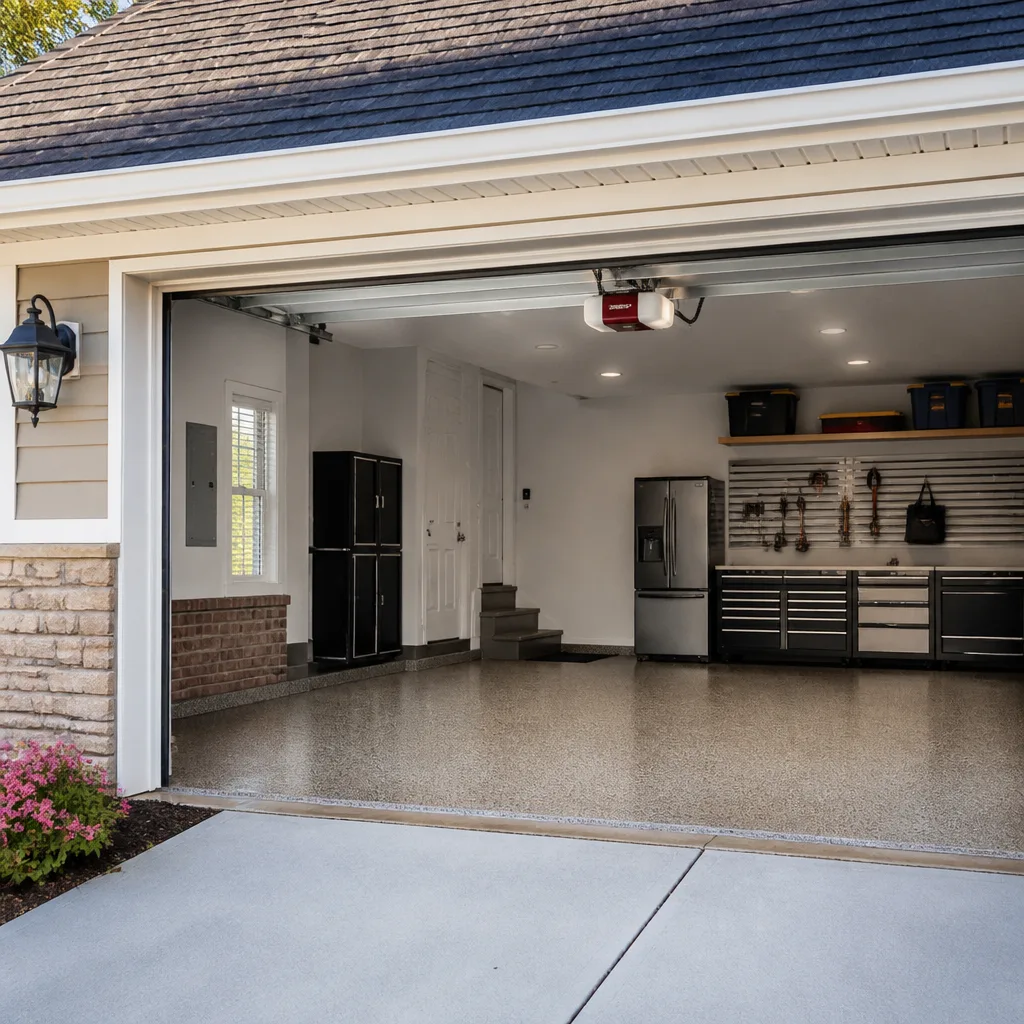 LiftMaster openers
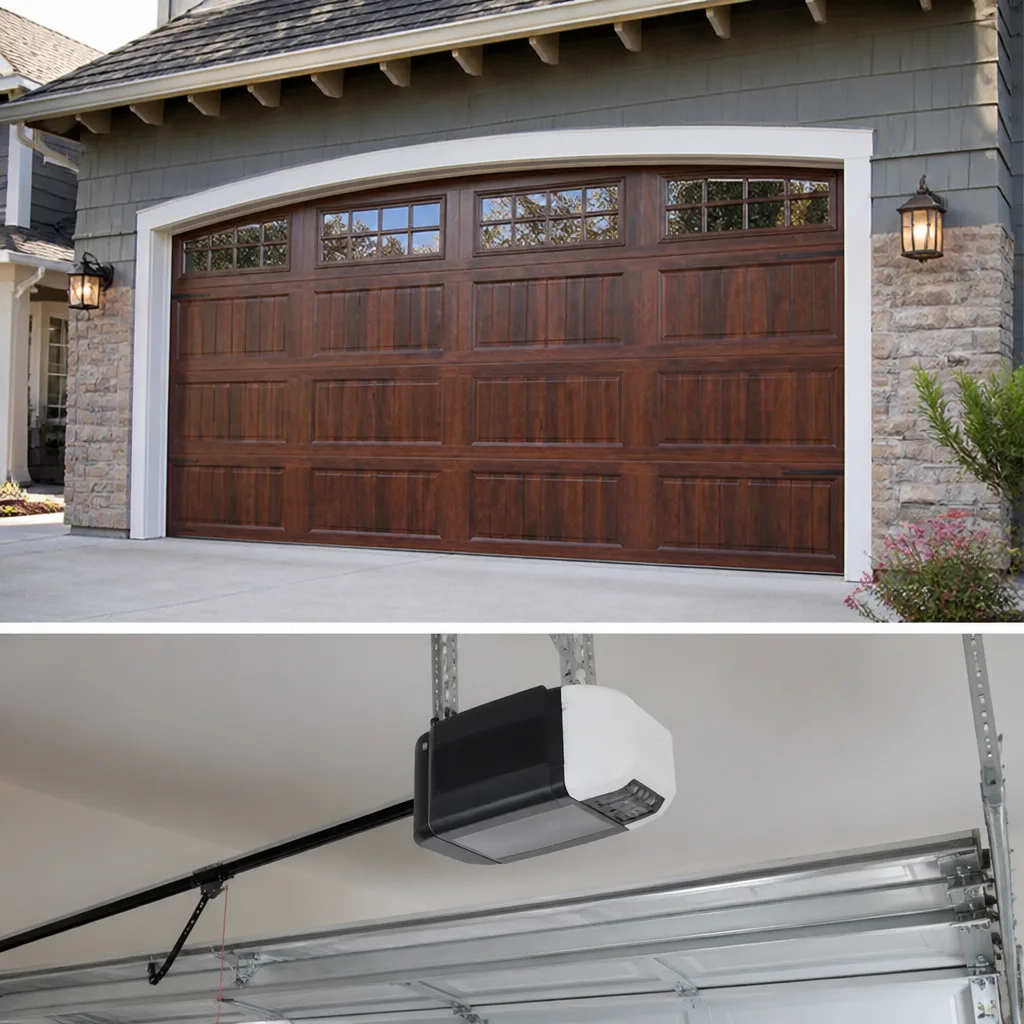 Chamberlain openers
Full 25-point door and opener safety check with every visit - springs, cables, rollers, tracks, and your LiftMaster or Chamberlain opener included
You get a price before we start. It does not change when the pro arrives.
Get your free estimateGarage Door Emergency Preparedness Guide for Tacoma Homes
The most dangerous moment in a garage door emergency isn’t when the spring snaps. It’s the ten minutes after, when a homeowner tries to manually lift a 200-pound door off a broken spring without understanding the tension geometry. That’s how injuries happen. The same is true of a door that won’t stay closed in a windstorm, or an opener that dies with the car trapped inside. The failure itself is mechanical and predictable. The reaction is where things go wrong. This guide walks through the three things worth knowing before anything breaks in your Tacoma garage: where the manual release is and how to use it without causing a second failure, how to secure a door that won’t latch, and when operating the door at all is genuinely unsafe. We’ll also cover what to have ready when you call so you get a same-day response instead of a voicemail tag.
Quick Answer
A garage door emergency in Tacoma usually involves one of four failures: a snapped torsion or extension spring, a dead opener (often during a power outage), a bent track after a windstorm, or a door that won’t latch or stay closed. The right first move is almost always to stop operating the door, secure it if you can do so safely, and call a technician rather than force it. If the door is under load from a broken spring, do not attempt to lift it manually. Call (866) 937-8952 for free estimates. We answer 24/7, with fast dispatch from 7am to 7pm, Sunday through Friday.
Styles & brands we work with
- Raised-panel steel
- Carriage house
- Modern flush
- Full-view glass
- LiftMaster openers
- Chamberlain openers
Table of Contents
- How to Use the Manual Release Cord Safely
- What Happens to Your Opener During a Tacoma Power Outage
- How to Temporarily Secure a Door That Won’t Stay Closed
- Assessing Wind Damage: Safe to Operate or Lock It Out?
- Who to Call, In What Order, and What to Have Ready
- Spring Failures: Why They’re the Most Dangerous Emergency
- Preventive Checks That Short-Circuit Most Emergencies
- What Emergency Garage Door Repair Costs in Tacoma
How to Use the Manual Release Cord Safely
The manual release cord is the red handle hanging from the trolley on your opener rail. Pulling it disengages the door from the opener so you can move the door by hand. That’s the theory. In practice, the sequence matters enormously, and getting it wrong in the wrong conditions can turn a broken opener into a dropped door.
Here’s the safe sequence when the door is closed and the opener has failed:
- Confirm the door is fully closed and at rest. The springs, not the opener, carry the door’s weight. If you hear a loud bang or see a gap in a spring coil, stop. Do not pull the cord.
- Stand clear of the door path. The door can move unexpectedly once disengaged.
- Pull the release cord straight down and slightly toward the door (not toward the opener). This releases the trolley from the carriage.
- Test the door by hand with a firm, slow lift of about six inches. If it feels heavy or won’t stay put, lower it and stop. A balanced door weighs almost nothing to lift. A door that feels like it weighs 200 pounds is a door with a broken or failing spring.
- Re-engage the trolley by pulling the cord again toward the opener, or by running the opener a short distance to reconnect the carriage.
If the door is open and the opener has failed, the sequence reverses: pull the cord, then lower the door by hand slowly, keeping both hands on the bottom section and your body clear of the hinges. Never let the door drop.
In our experience, the cord is the second most common thing homeowners call about after a broken spring. Often it’s just the trolley that’s popped loose, and it’s a quick fix. If your opener itself has failed, our garage door opener repair page covers what we check on LiftMaster, Chamberlain, Craftsman, and other systems.
What Happens to Your Opener During a Tacoma Power Outage
Tacoma gets its share of winter windstorms, and when the grid goes down, garage doors stop working. Most modern openers have a battery backup, but that backup is not a permanent fix. Knowing how yours behaves before an outage saves a lot of frustration.
How Battery Backup Works
Battery backup openers run on a rechargeable battery pack that engages automatically when the power drops. The door still opens and closes, but at a reduced speed. Backup capacity depends on the battery’s age and charge level, and on how many cycles you run. A battery that hasn’t been tested in a year may not carry the door through a multi-day outage. A fresh one typically gets you through the first day or two of normal use.
When the Backup Is Also Dead
If your opener is older, or the battery has failed, you have two options: the manual release (see above), or waiting out the outage. Do not repeatedly try to cycle the opener on backup power once it starts to slow or stall. That drains what’s left and can leave you with a door stuck partway up.
If the car is trapped, the manual release is the right tool. Pull it, lift the door by hand (assuming the springs are healthy), drive out, lower the door, and re-engage. If the springs are compromised, do not lift the door by hand. That’s the scenario where people get hurt.
When power comes back, run the opener through a couple of cycles to test the battery and the door balance. If the opener still won’t respond, the control board or the safety sensor alignment may have been affected. For a closer look at how we diagnose opener electronics on the brands we service, see garage door repair.
How to Temporarily Secure a Door That Won’t Stay Closed
A door that won’t latch or won’t stay down is a security problem the moment you notice it. Whether it’s a misaligned track, a broken latch, or an opener that’s lost its travel limits, you need a temporary hold until a technician can get there. The C-clamp method is the standard, and it works if you use it correctly.
The C-Clamp Method
- Close the door fully by hand (if the opener has failed) and hold it in the closed position.
- Slide a small C-clamp onto the vertical track just above the bottom roller on each side. The clamp acts as a physical stop, preventing the door from being lifted.
- Tighten the clamp finger-tight against the track. Don’t over-tighten; you’ll dent the rail.
- Test the door by lifting gently. It should not move past the clamps.
The C-clamp method is safe for short-term holding only, and it works on steel or aluminum tracks. It is not a lock. It’s a stop. It won’t prevent someone from prying the door open with tools, but it will stop the door from drifting up on its own or being lifted by hand.
When the C-Clamp Method Isn’t Appropriate
If the track is bent, the rollers are out of the channel, or the door is hanging off one side, don’t clamp it. That door needs to be locked out with the opener disconnected and the bottom section braced or secured with a heavy object on the inside until a technician arrives. Bracing a compromised door with a clamp can shift the panel and cause more damage or injury.
If the door won’t stay closed because the opener is trying to reverse it (a common symptom of a misaligned safety sensor), the fix is usually sensor alignment rather than a clamp. We cover that on our opener pages.
Assessing Wind Damage: Safe to Operate or Lock It Out?
Tacoma’s fall and winter windstorms can bend a track, bow a panel, or twist a door out of square. Whether the door is safe to operate afterward depends on what you’re looking at.
Safe to Operate (Usually)
- The door opens and closes smoothly with no new noise or binding.
- The track is visibly straight and the rollers stay in the channel.
- The bottom seal is intact and the door closes flush on both sides.
- The opener runs at normal speed without strain.
Lock It Out Until a Technician Arrives
- Any visible bend in the vertical or horizontal track.
- Panels that are bowed, dented, or separated at the seams.
- The door hangs unevenly on one side when raised a few inches.
- The door makes a grinding, scraping, or popping sound as it moves.
- The opener strains to lift the door or reverses partway up.
A bent track doesn’t just make the door noisy; it changes how the rollers load, which can crack a hinge or pop a cable. In a Puget Sound windstorm, the most common damage we see is a twisted horizontal track where the door meets the ceiling rail. That’s almost always a lock-it-out situation. Operating the door against a bent track can force a roller out of the channel and drop a panel. For a full assessment of the door and track system, our Garage Door Repair Tacoma Pros page spells out what we check.
Who to Call, In What Order, and What to Have Ready
A garage door emergency has a call sequence. Getting it right saves time and gets you a faster response.
Call Order
- If there’s an injury, call 911 first. A dropped door or a snapped cable can cause serious harm. That takes priority over the door.
- If the car is trapped and you need to leave, use the manual release safely (see above). If the springs are broken, don’t lift the door.
- If the door is compromised or open to the street, secure it temporarily with the C-clamp method or a lockout before calling.
- Then call a garage door technician. Garage Door Repair Tacoma Pros answers at (866) 937-8952, with free estimates.
What to Have Ready When You Call
- Your door type: sectional, roll-up, one-piece. If you don’t know, describe it.
- Your opener brand and model if you can read it. We service LiftMaster, Chamberlain, Genie, Craftsman, and others.
- What happened: a loud bang, a grinding noise, a door that reversed, a power outage, wind damage, or the door won’t move at all.
- What the door is doing now: stuck open, stuck closed, hanging on one side, or drifting.
- Your address and the nearest cross street.
The more accurately you describe the problem, the faster we can match the right technician and parts to the call. A “loud bang” with the door stuck closed is a spring failure. A “grinding noise” with the door still moving is often a roller or track issue. A door that reverses immediately is usually a sensor or travel limit. Those three descriptions route to three different fixes.
Spring Failures: Why They’re the Most Dangerous Emergency
Garage door springs store an enormous amount of tension. A torsion spring on a double-car door is wound to carry a load that would be very dangerous to release improperly. When one fails, the door is no longer balanced, and it becomes a 200-pound object held up by an opener that isn’t designed to carry it.
That’s why spring repair is its own specialty, and why it’s the one garage door emergency where the standard advice is: don’t touch it. The spring is under load even when the door is down. Cutting the tension correctly requires specific tools and training. A homeowner who attempts it can be seriously injured.
Signs a Spring Is About to Fail
- A loud bang from the garage (the most common report).
- A visible gap in a torsion spring coil or a stretched extension spring.
- The door feels very heavy when lifted by hand.
- The door drifts down on its own when raised partway.
- The opener strains, reverses, or won’t complete a cycle.
What to Do
If you suspect a broken spring, close the door if it will close, disconnect the opener, and call a technician. Do not operate the door. Do not try to lift it by hand. Do not attempt to unwind or replace the spring. We handle spring repair as a standalone service, on the systems we service, with proper tooling and training. If the spring is intact but the door still seems heavy, the door balance is off and it’s worth a check before a spring fails outright.
Matched pairs are usually replaced together, since a second spring of the same age is likely to fail soon after the first. For the full scope of what repair looks like on our end, our garage door installation and repair teams work from the same playbook.
Preventive Checks That Short-Circuit Most Emergencies
Most garage door emergencies give warning. A few simple checks, done every couple of months, catch the problems that turn into a same-day call.
- Test the balance. Disconnect the opener, lift the door halfway, and let go. A balanced door stays put. A door that drops or rises on its own has a spring or cable problem.
- Check the safety reverse. Place a roll of paper towels in the door’s path and close it. The door should reverse on contact. If it doesn’t, the opener needs adjustment.
- Look at the springs. A visible gap, a stretched coil, or a rusty spring is worth a professional look before it fails.
- Listen. Grinding, squealing, or popping during operation is a sign of a roller, hinge, or track issue that will get worse.
- Inspect the weather seal. A split bottom seal lets water in and can cause the door to bind.
- Test the battery backup on your opener if it has one. Unplug the opener and run the door once. If the battery is dead, replace it before the next storm.
- Look at the tracks after a windstorm. Any bend or misalignment is a lockout situation.
Tacoma’s wet winters make the weather seal and the bottom section the first things to go. A seal that’s split lets water sit against the bottom panel, which rusts and eventually warps. That warped panel then doesn’t sit flush, and the door won’t close correctly. Catching it early is a cheap fix.
What Emergency Garage Door Repair Costs in Tacoma
Pricing for garage door work in Tacoma depends on the part that failed, the door’s size, and the brand. Here’s the typical range you can expect, from the estimates we write:
- Spring repair (one spring): $180 – $340. A matched pair is usually replaced together, so expect roughly double that for both.
- Opener repair: $150 – $400, depending on the component (sensor, board, motor, or limit switch).
- Track repair or realignment: $150 – $300.
- Roller or hinge replacement: $100 – $250.
- Full door replacement (installed): $900 – $3,500, depending on size, material, and window options.
These are typical estimates, not final prices. The written estimate sets the price, and it’s quoted and agreed before any work starts. On an emergency call, the technician assesses the failure first, then writes the estimate. You’ll know what the repair costs before anything is taken apart.
We work with your insurer where coverage applies, and we service the door system and the opener together so you don’t need a second contractor for the other half of the problem. If you’re weighing repair against replacement, our garage door repair team can tell you which makes sense for your door. For a new door, we handle the full install, from measure to final adjustment.
Common Mistakes to Avoid
- Lifting a door by hand off a broken spring. The door is no longer balanced, and the weight can drop it on you. If the door feels heavy, stop and call.
- Repeatedly cycling the opener on a failed spring. The opener isn’t designed to carry the door’s weight, and forcing it strips the gear or burns out the motor. Shut it down.
- Using the manual release with the door under load. Pulling the cord on a door that’s held by a broken spring can drop the door. Confirm the door is at rest first.
- Operating a door with a bent track. A bent track can force a roller out of the channel and drop a panel. In Tacoma windstorms, this is the most common storm-related mistake we see.
- Clamping a door that’s hanging off the track. The C-clamp method is for a door that won’t stay closed, not a door that’s structurally compromised. Bracing a bent door with clamps can shift it further.
- Ignoring a battery backup that hasn’t been tested. A dead backup battery leaves you with no door during a winter outage. Test it before storm season.
- Calling without the door’s details. Knowing the brand and what the door is doing saves a call-back and gets the right technician out faster.
See the difference
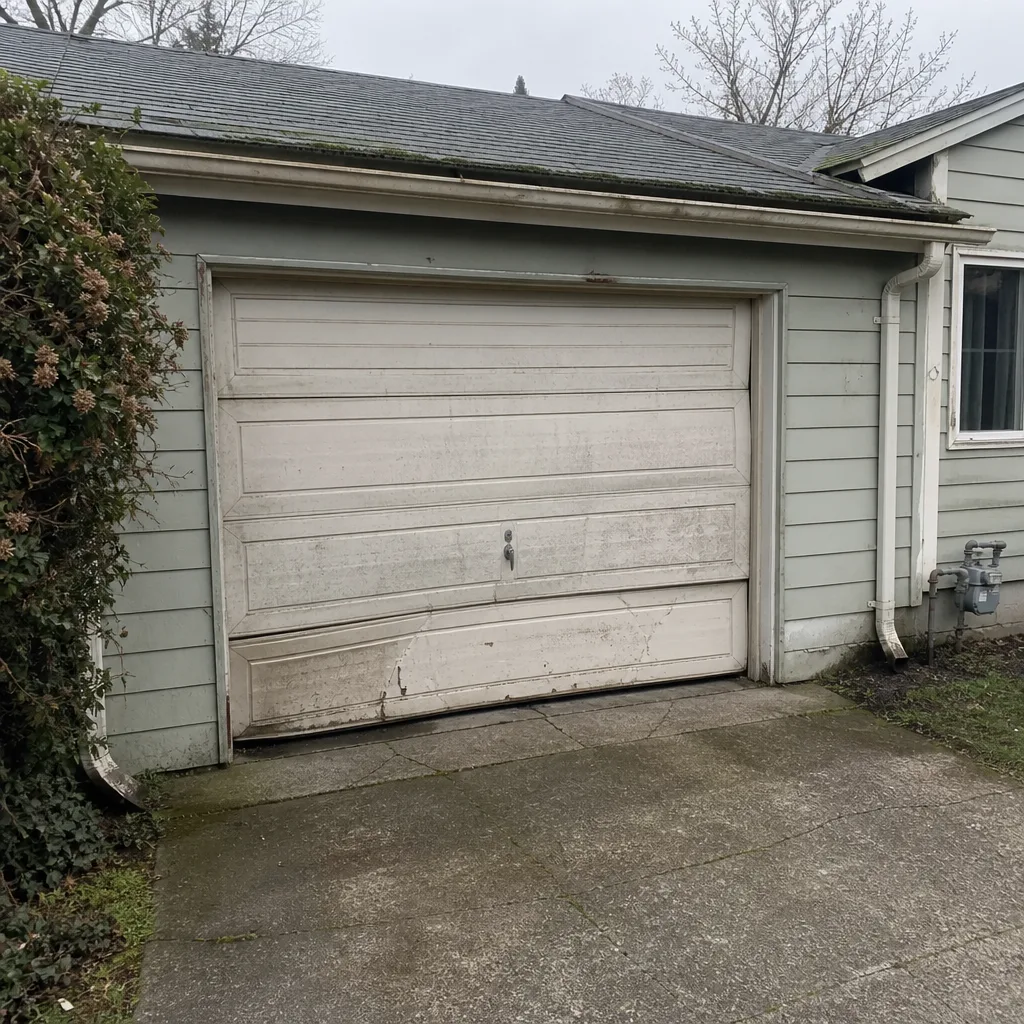 Before
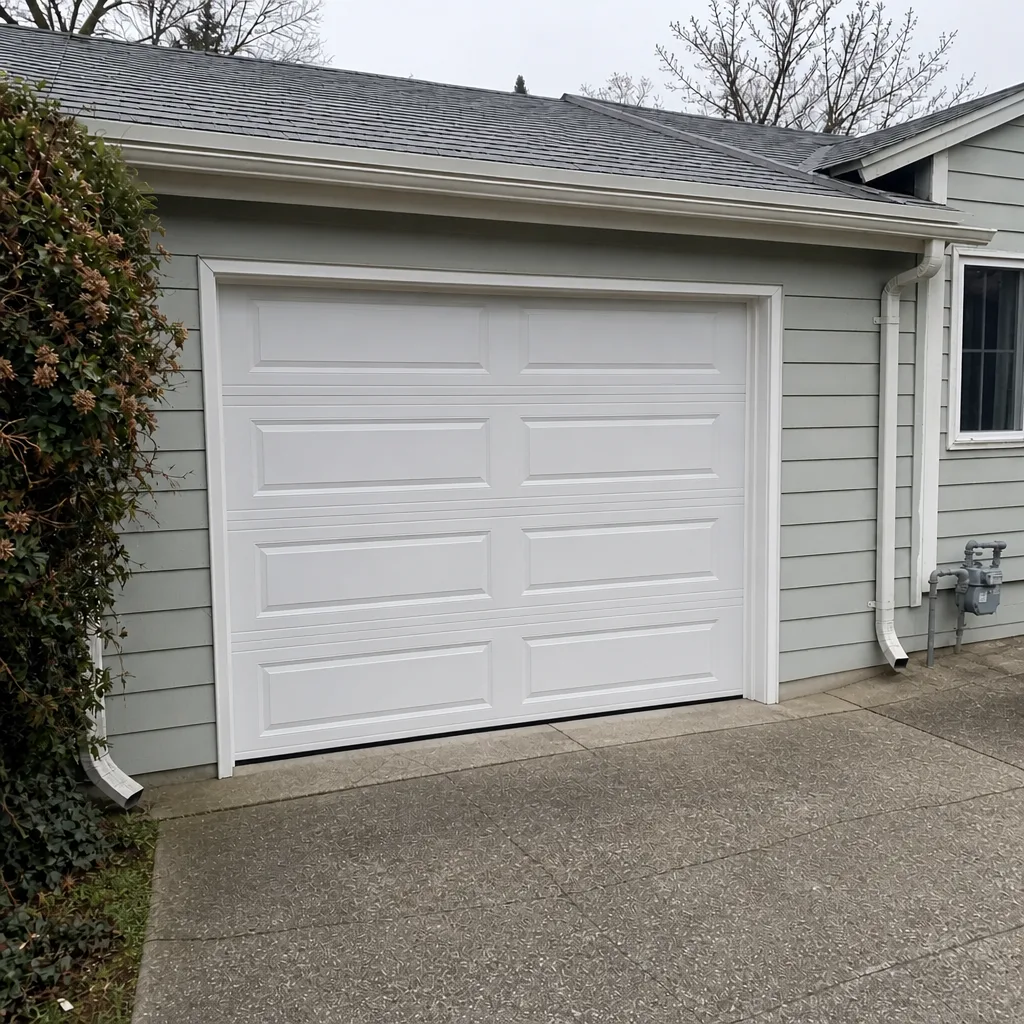 After
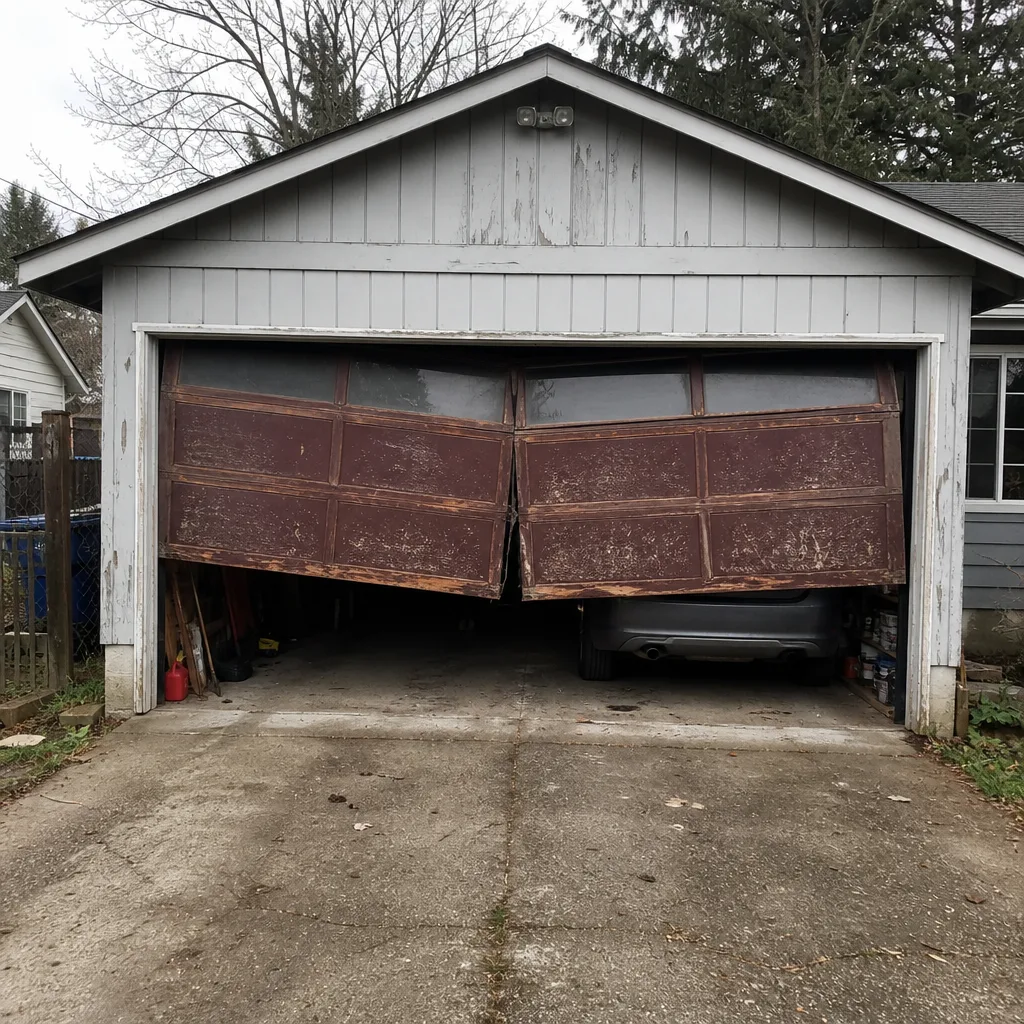 Before
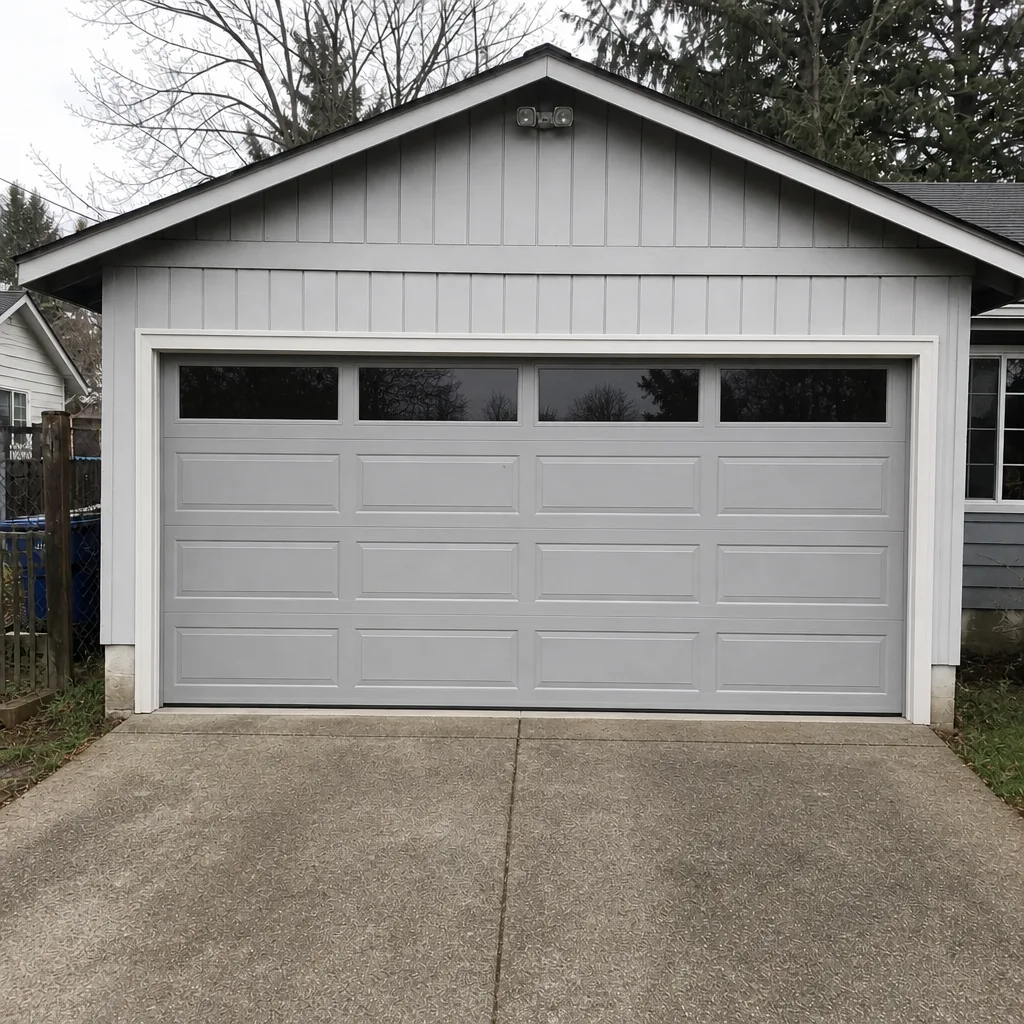 After
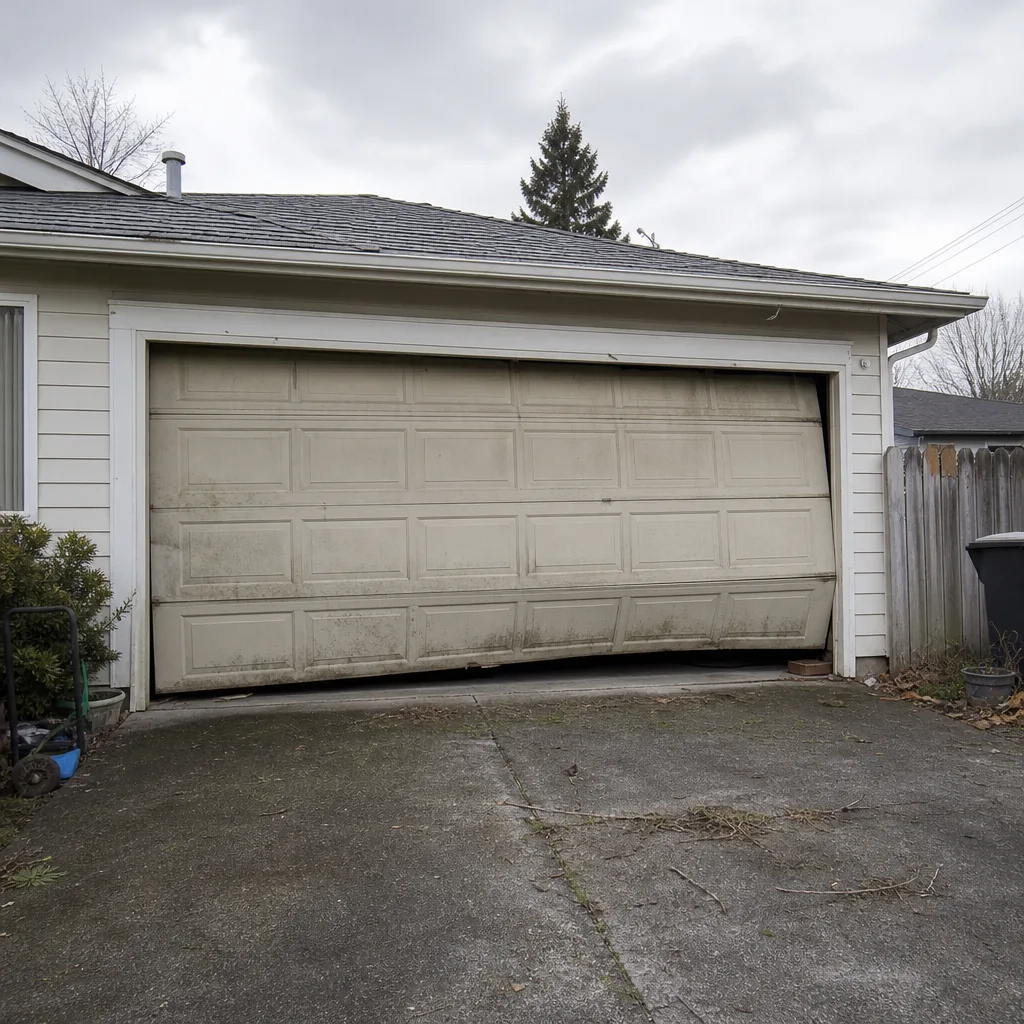 Before
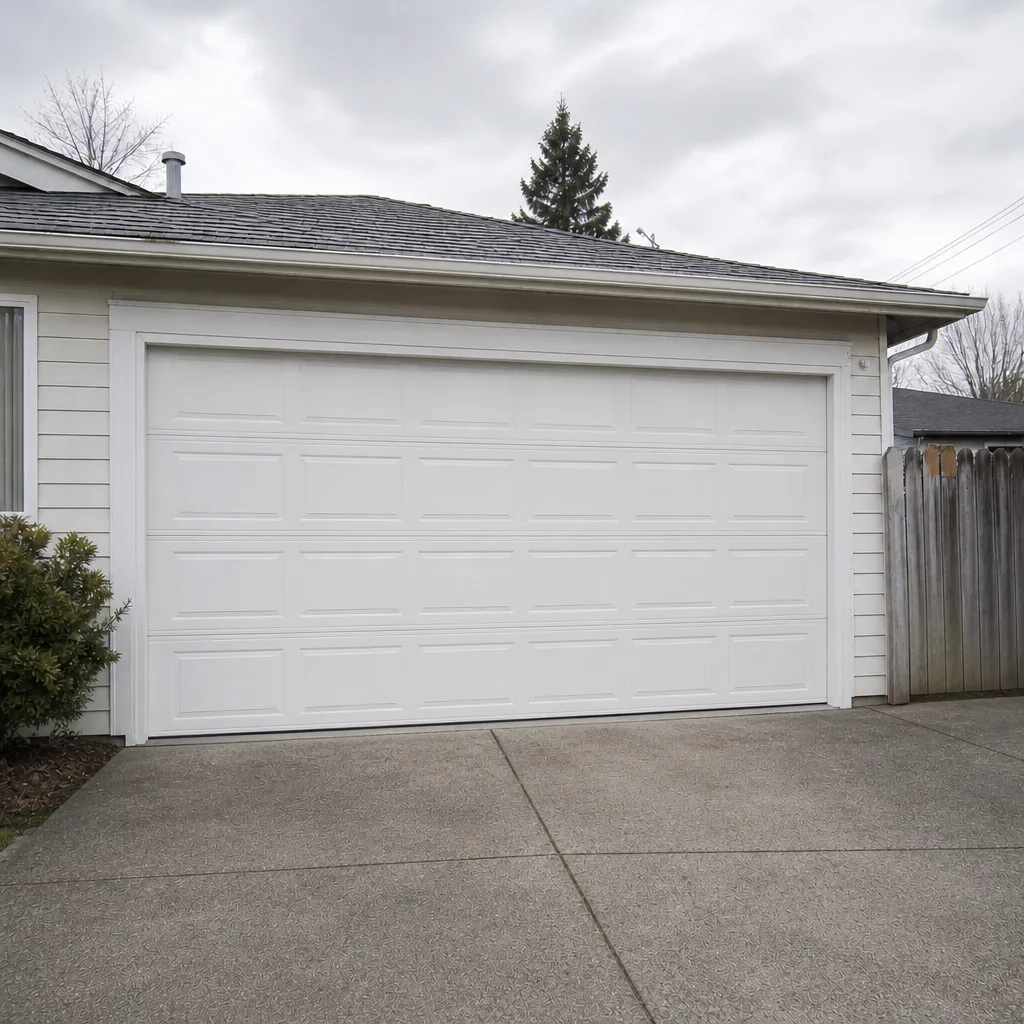 After
When to Call a Professional
Call a technician when: the door won’t move and you can’t safely secure it; a spring has snapped or looks compromised; the door is bent, hanging, or off the track; the opener has failed and the manual release isn’t an option; or the door won’t stay closed and the clamp method isn’t safe. If you’re unsure whether the door is safe to operate, call before you try it. A technician can often tell you on the phone whether to lock it out or leave it. Garage Door Repair Tacoma Pros offers free estimates in Tacoma. Call (866) 937-8952. We answer 24/7, with fast dispatch from 7am to 7pm, Sunday through Friday.
Frequently Asked Questions
Stop operating the door and do not try to lift it by hand. A door off a broken spring is no longer balanced and can drop. Close the door if it will close, disconnect the opener, and call a technician. Spring repair requires specific tools and training, and it’s the one garage door repair you shouldn’t attempt yourself.
Modern openers with battery backup will run the door at reduced speed during an outage, for as long as the battery holds. How long depends on the battery’s age and charge. If the backup is dead, use the manual release with the door at rest, or wait out the outage. Don’t repeatedly cycle the opener on backup power once it starts to slow.
The C-clamp method works when the door, track, and springs are otherwise intact. Slide a small C-clamp onto each vertical track just above the bottom roller and tighten it finger-tight. It’s a temporary stop, not a lock. If the track is bent or the door is hanging off one side, don’t clamp it. Lock it out until a technician arrives.
Only if the door moves smoothly, the track is straight, and the rollers stay in the channel. Any visible bend in the track, a bowed panel, a door that hangs unevenly, or a grinding sound means stop and lock it out. A bent track can force a roller out and drop a panel.
No. The price is set per job by the written estimate, which is quoted and agreed before any work starts. You’ll know the cost before the technician begins. Call (866) 937-8952 for an exact quote. Estimates are free.
Tell us the door type, the opener brand and model if you can read it, what happened, what the door is doing now, and the address. A “loud bang” with the door stuck closed points to a spring. A grinding sound with the door still moving is usually a roller or track issue. A door that reverses on its own is usually a sensor or limit problem. Specific details get you a faster, more accurate response.
The Bottom Line
Garage door emergencies in Tacoma follow a predictable script: a spring, an opener, a power outage, or storm damage. The difference between a safe outcome and an injury is what you do in the ten minutes after the failure. Know where the manual release is and pull it only when the door is at rest. Know that a heavy door off a broken spring is a call-a-technician situation, not a lift-by-hand one. Know that a bent track after a windstorm is a lockout, not a fix-it-yourself. Secure the door if you can, lock it out if you can’t, and call with the details ready. That’s the whole sequence.
When the door won’t move and you need it handled correctly, call (866) 937-8952 for a free estimate. We work on the brands already installed in your garage, including LiftMaster, Chamberlain, Craftsman, and Raynor, and we handle spring repair, opener repair, and full door replacement. We answer 24/7. Fast dispatch from 7am to 7pm, Sunday through Friday.
Written by the team at Garage Door Repair Tacoma Pros.