
Last updated November 23, 2026
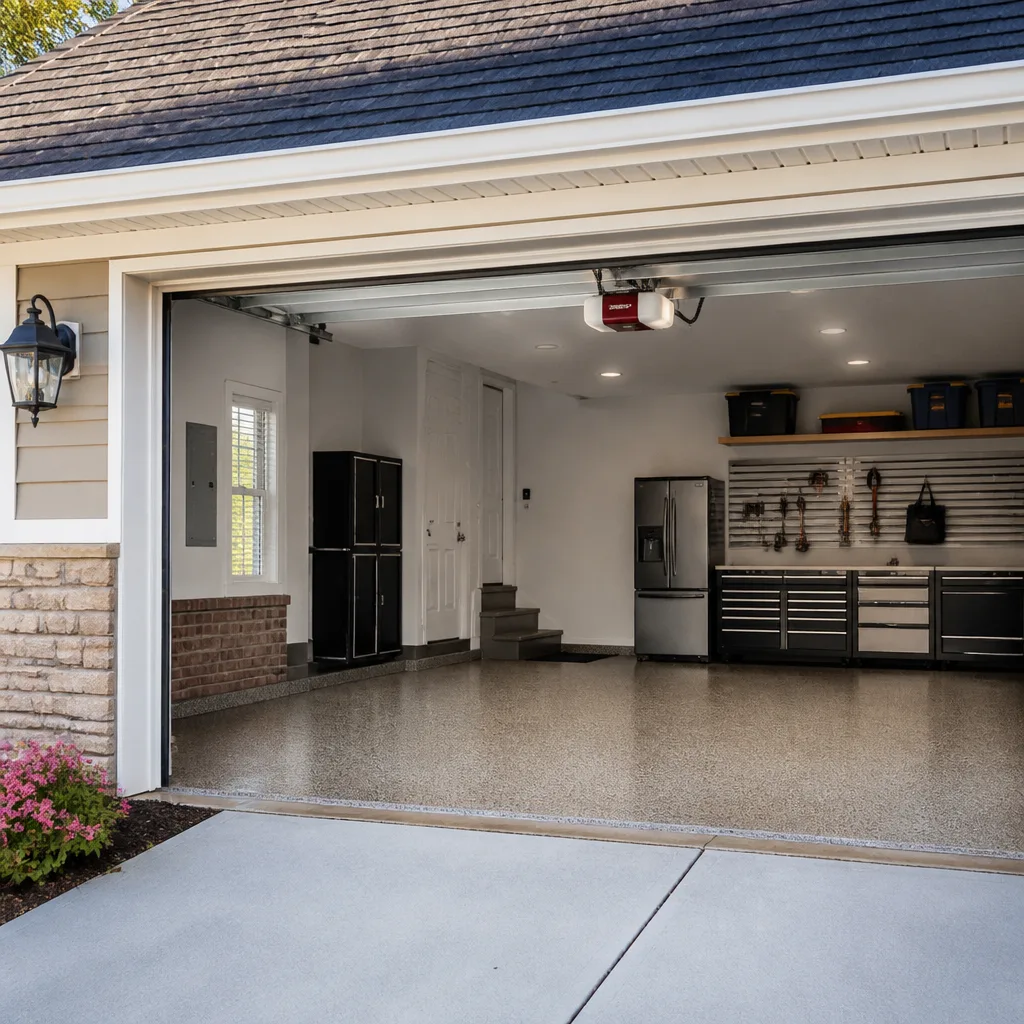
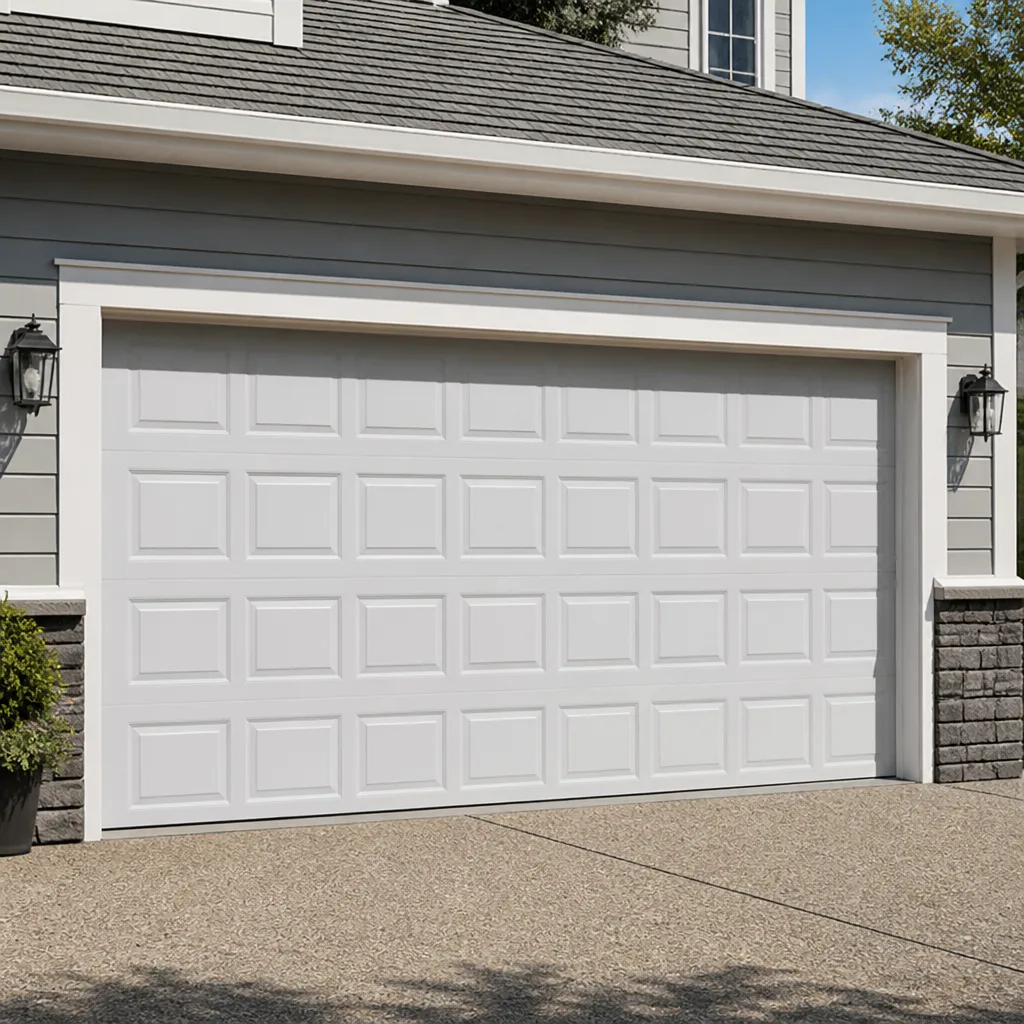 Raised-panel steel
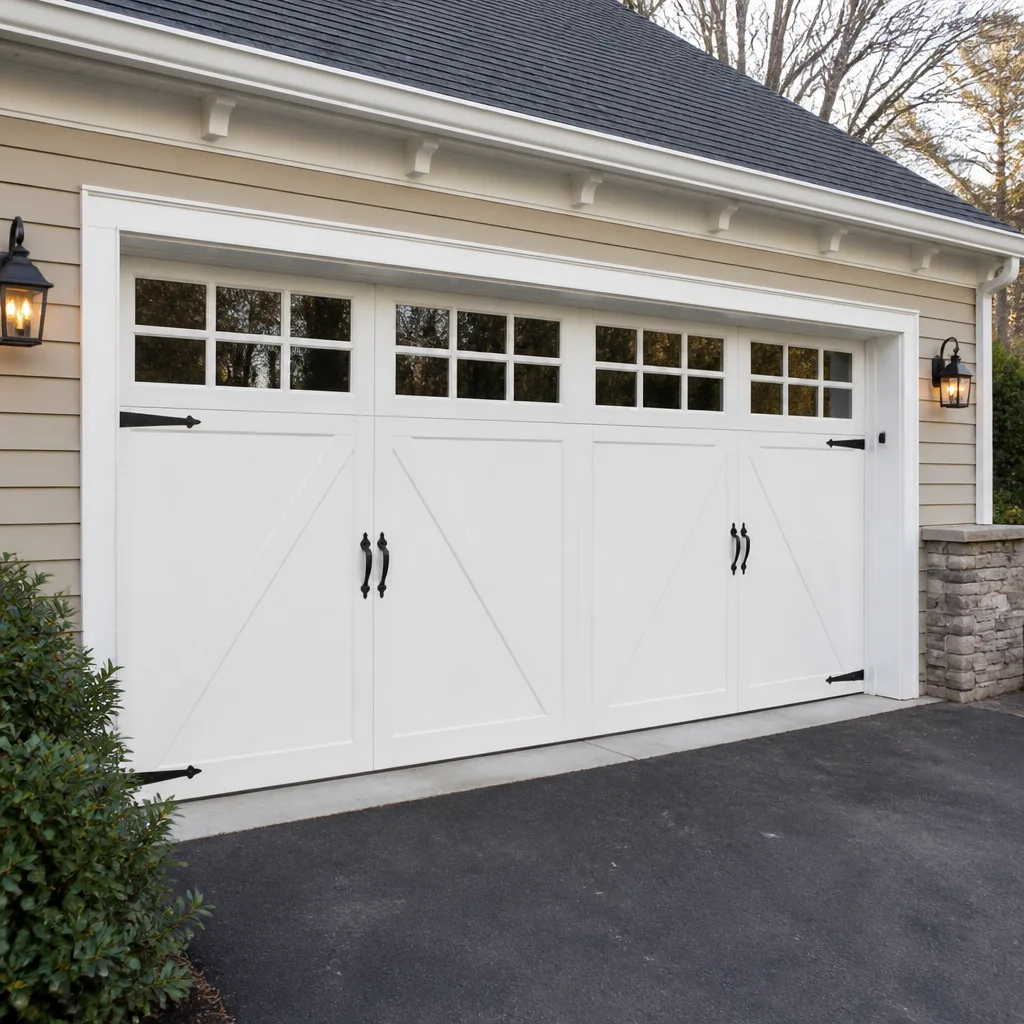 Carriage house
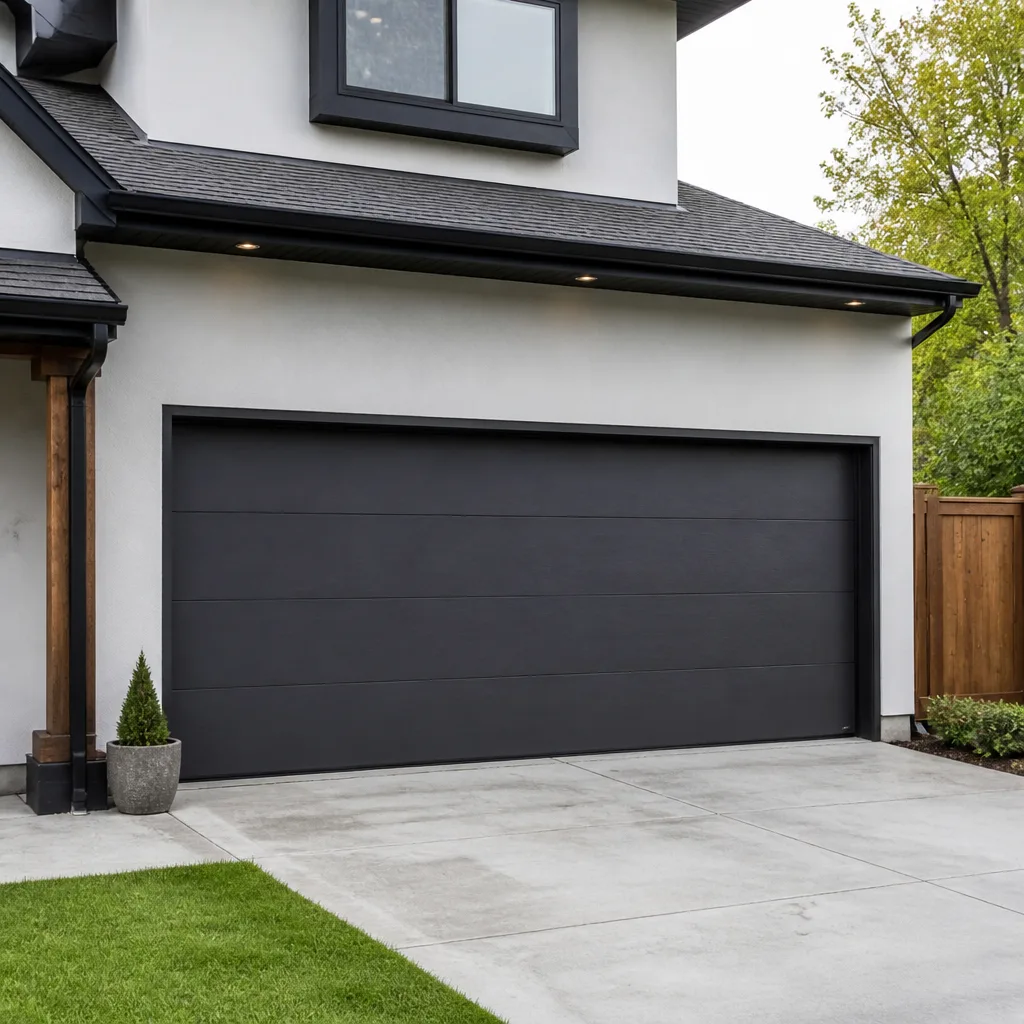 Modern flush
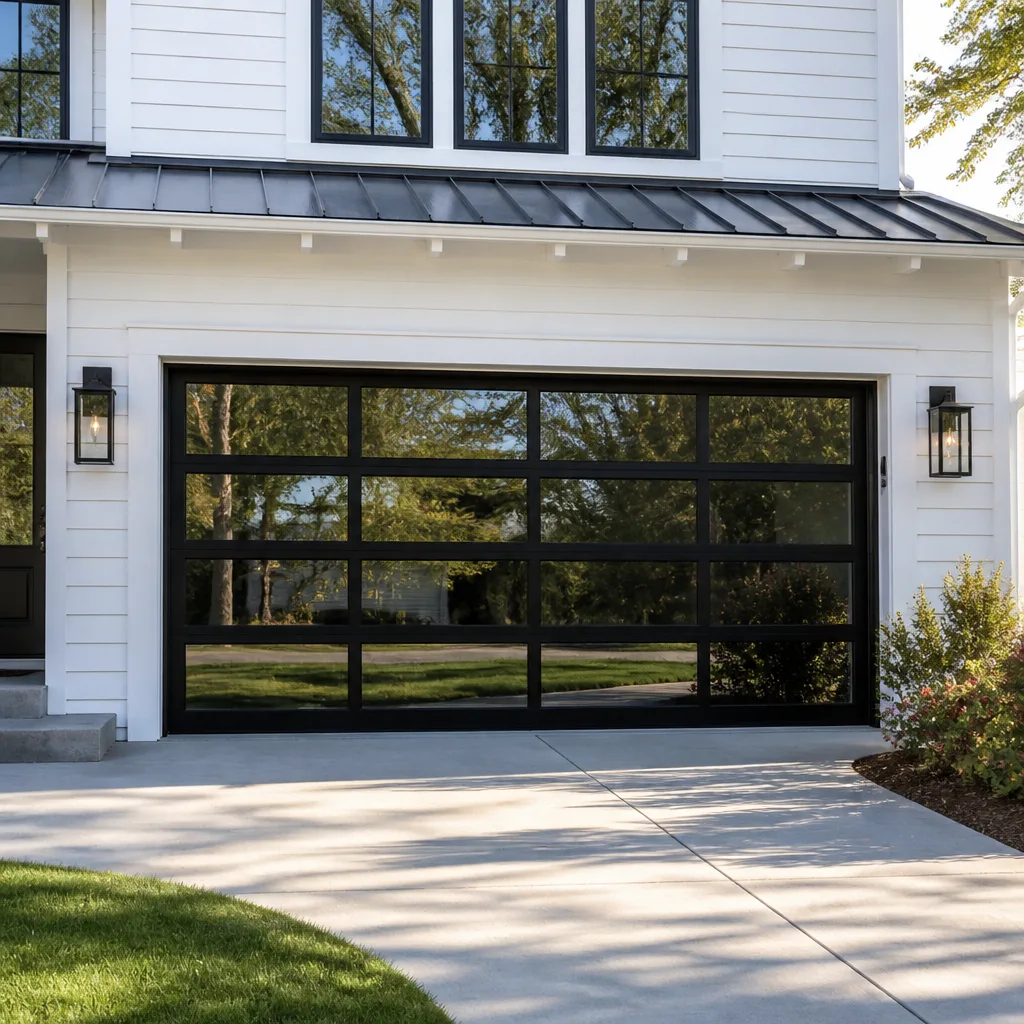 Full-view glass
 LiftMaster openers
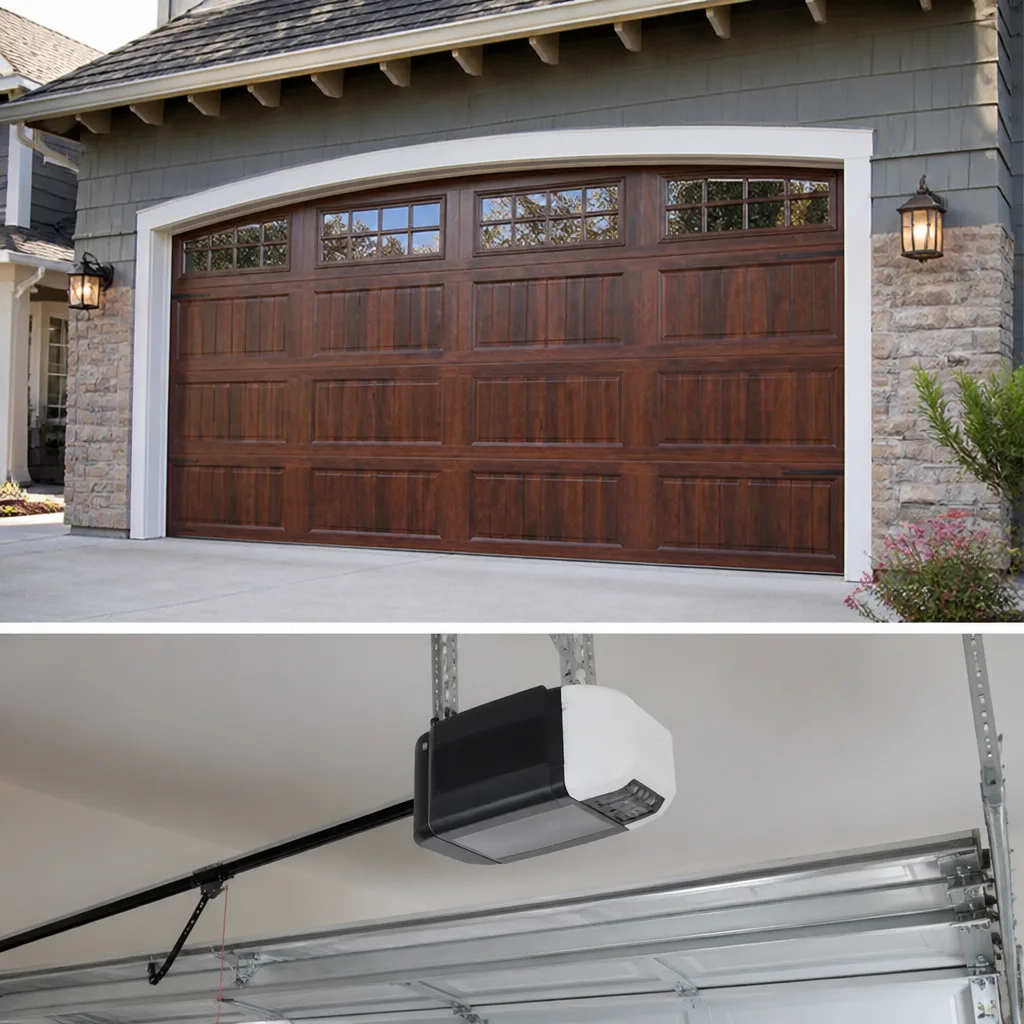 Chamberlain openers
Full 25-point door and opener safety check with every visit - springs, cables, rollers, tracks, and your LiftMaster or Chamberlain opener included
You get a price before we start. It does not change when the pro arrives.
Get your free estimateGarage Door Permits, Codes & Inspections in Tacoma, WA: What You Need to Know
If you replaced your garage door and nobody pulled a permit, that might be fine, or it might show up as an unpermitted alteration when you sell your house. The answer depends on exactly what was swapped and whether the opening was modified. Most Tacoma homeowners assume permits are tied to cost, so a big-ticket door replacement must need one and a cheap spring swap must not. The city doesn’t read it that way. The line sits at structural change: framing, headers, fire separation and energy code. In this guide, we’ll walk through when a City of Tacoma building permit is actually required for garage door work, how Washington’s energy and fire-separation rules apply to attached garages, how to check whether a previous owner’s installation was permitted, and what an inspection covers if you’re selling or refinancing.
Quick Answer
A City of Tacoma building permit is typically required when garage door work changes the structure of the opening, such as altering or replacing a header, reframing the opening, or changing a fire-rated assembly between an attached garage and the living space. A like-for-like swap of a door into the same opening usually doesn’t trigger a permit, though the door still has to meet current energy and fire-separation requirements. When in doubt, call Tacoma’s building department and describe the scope before work starts.
Styles & brands we work with
- Raised-panel steel
- Carriage house
- Modern flush
- Full-view glass
- LiftMaster openers
- Chamberlain openers
Table of Contents
- When Does Garage Door Work Need a Permit in Tacoma?
- Washington Energy Code and Insulated Garage Doors
- Fire Separation Between an Attached Garage and Living Space
- How to Check if a Previous Installation Was Permitted
- What a Code-Compliant Inspection Actually Covers
- Selling or Refinancing a Tacoma Home With Garage Door Work
- How Tacoma’s Climate Affects Door and Hardware Longevity
- Repair, Replacement and Installation: Which One Needs Paperwork?
When Does Garage Door Work Need a Permit in Tacoma?
Garage door work needs a City of Tacoma building permit when the job changes the structure of the opening, and it usually doesn’t when the job only replaces hardware or a door into the same opening. That’s the short version. The long version matters because “replacement” gets used loosely.
In our experience, the triggers look like this:
- Header changes. Widening an opening, raising its height, or replacing or sistering a structural header is a structural alteration. That’s permit territory.
- New opening framing. Cutting a new opening in a garage wall, or converting a carport to an enclosed garage, changes the building’s structure and envelope.
- Fire-rated assemblies. If the work touches the wall or door assembly that separates the garage from the house, fire separation rules come into play, and the city wants to see the assembly.
- Electrical for a new opener circuit. Running a new circuit or adding an outlet where none existed usually falls under a separate electrical permit.
- Like-for-like door swap. Same size, same opening, same headroom, no framing touched: this is generally a replacement, not an alteration.
- Spring, cable or roller replacement. Pure hardware repair. No permit.
Tacoma’s housing stock makes this more complicated than it sounds. Plenty of homes in North Tacoma and the Proctor District were built in the early twentieth century, and their garage openings weren’t framed to modern dimensions. A homeowner who wants a wider door to fit a modern SUV is asking for structural work, not a replacement. That’s a permit. Fitting a new door into an existing opening is not.
If you’re planning a full swap and want the framing evaluated before you order, garage door installation covers what a proper measure involves. Nobody should pull a permit off a guess.
Washington Energy Code and Insulated Garage Doors
Washington’s energy code applies to garage doors when the garage is part of the building’s conditioned or semi-conditioned envelope, which matters more in Tacoma than in a milder climate because so many homes have living space above or beside the garage. A door that separates conditioned space from outside is an envelope component, and the code expects it to perform like one.
What that means in practice:
- Insulated doors. Where the garage wall or ceiling is insulated and the garage sits inside the thermal boundary, an insulated door is the expectation, not an upgrade.
- Attachment details. Weatherstripping, perimeter seals and a properly fitted bottom seal matter as much as the panel’s insulation. Air leaks undo insulation value quickly.
- Documentation. Door manufacturers publish performance data for their insulated models. If a permit is pulled, that data is what an inspector or plan reviewer looks at. Amarr and Wayne Dalton both publish it for their residential lines.
This is where a lot of unpermitted work quietly goes wrong. A previous owner swaps in a cheap uninsulated door because it was on sale, and a few years later the bonus room over the garage runs cold all winter. Nobody connected the two. Tacoma’s damp, cool winters make that draft obvious. The fix isn’t always a new door; sometimes it’s seals and adjustment. But if the door itself is the wrong specification for the envelope, seals won’t save it.
The energy code is also why we ask what’s above and around the garage before recommending a door. A detached garage on a South Tacoma lot has different requirements than an attached garage under a bedroom in Fircrest. The door is the same product category. The code obligation is not.
Fire Separation Between an Attached Garage and Living Space
Current Washington residential code requires a fire-separation assembly between an attached garage and the living space, and that assembly includes the door and the wall it sits in. This is the rule homeowners most often don’t know exists, and the one that causes the most trouble at resale.
What the requirement covers:
- The wall and ceiling between garage and house. These are built as a rated assembly, typically with specific sheeting and taping details on the garage side.
- The door itself. A door between the garage and the house (the person door, not the vehicle door) is part of the separation and has to be rated for it.
- Penetrations. Holes cut for wiring, plumbing or ductwork through that wall have to be sealed to keep the assembly intact.
- Self-closing hardware. The door between garage and house is expected to close and latch on its own so it isn’t left open.
The vehicle door at the front of the garage is not the fire separation. It’s the exterior envelope. That distinction trips people up constantly. A homeowner reads “fire-rated garage door” somewhere and assumes the big overhead door needs a rating. It doesn’t, in a typical residential attached garage. The separation is behind it, at the wall and the interior door.
Where this becomes a real problem in Tacoma is older homes where a previous owner finished the garage, added a room, or knocked through the separation wall to gain access. That’s an alteration with life-safety implications. It needs to be corrected, and correcting it is a permit job. If you’re buying a Tacoma home and the garage looks like it’s been modified, ask about it before closing.
How to Check if a Previous Installation Was Permitted
You can check whether a previous garage door installation was permitted through the City of Tacoma’s public permit records, and it’s worth doing before you buy, sell or invest in more work on that door. The records are public. The process is straightforward, though it rewards patience.
- Gather the property details. You need the parcel number or the full street address. The county assessor’s records will give you the parcel number if you don’t have it.
- Search the city’s permit portal. Tacoma publishes permit history through its online permitting system. Search by address or parcel number and look for permits with descriptions mentioning garage, door, framing, alteration or structural.
- Read the permit status, not just its existence. A permit that was applied for and never finaled is an open item. A permit that was finaled and inspected is closed and clean. The difference matters at sale.
- Pull the inspection record. If a permit exists, the inspection history tells you whether the work was actually checked. A finaled inspection is the document a buyer’s agent wants to see.
- Ask the city directly if the portal is unclear. Records from older decades aren’t always digitized. A call to the building department with the address will usually get you an answer.
What you’re looking for is simple: either a permit that was finaled, or no permit and no structural work. If the door was swapped like-for-like and no permit exists, that’s usually fine and you can note it as such. If the opening was reframed and there’s no permit anywhere, that’s a question to resolve before it becomes someone else’s problem.
We get asked to help with this before sales fairly often. If the door itself needs attention while the paperwork gets sorted, that’s ordinary garage door repair and it doesn’t depend on the permit question.
What a Code-Compliant Inspection Actually Covers
A code-compliant inspection of permitted garage door work covers the structural, fire-separation and energy details that the permit was issued for, not the cosmetic finish of the door. That’s the part homeowners are least prepared for. The inspector is checking the assembly, not whether you like the color.
Expect the inspection to look at:
- The header and framing. Was the opening framed as drawn, with the correct lumber and connections?
- Fastening and anchoring. Are the tracks and the torsion or extension system anchored to structure, not just to drywall or sheathing?
- Fire separation continuity. If the work touched the separation assembly, is it intact and sealed at penetrations?
- Energy details. Insulation presence and door specification where the code required it.
- Safety hardware. Photo-eye reversal and the auto-reverse function on the opener. These are required on openers and get checked.
What the inspection does not cover is whether the door is quiet, well-balanced or adjusted nicely. Those are quality-of-work items and they’re the contractor’s responsibility. If a door passes inspection but thumps, rattles or reverses on its own, the inspection passed and the install still needs attention. We’ve seen both, and they’re separate conversations.
Two appointments typically drive the schedule: a framing or rough inspection before the drywall or finish goes back, and a final inspection after the door and hardware are in. Tacoma’s inspection scheduling runs through the same online portal as the permit. Get the inspection on the calendar before the work is done, not after.
Selling or Refinancing a Tacoma Home With Garage Door Work
Unpermitted garage door work shows up at sale or refinance as a disclosure question, and how you handle it depends on what was actually done. There’s no universal rule that says a door swap needs a permit, so a buyer’s inspector flagging “garage door replaced” isn’t automatically a problem. The problem is when the work was structural and can’t be documented.
How to handle it:
- Identify the scope. Was the opening reframed or was the door replaced into the existing opening? Your contractor’s invoice or work order should say.
- Check the permit record. Use the process above. If a permit was pulled and finaled, you have your documentation.
- Get a retroactive permit if the work was structural. Tacoma allows homeowners to pursue a permit after the fact for some work, and it will involve an inspection. It’s easier than the alternative at closing.
- Disclose accurately. If the door was a like-for-like replacement with no structure changed, say so plainly in the disclosure. Buyers and their agents understand the distinction once it’s explained.
Refinance appraisals are less forgiving. An appraiser noting an unpermitted structural alteration to the garage can hold up a loan. The fix is the same: document the scope, then permit and inspect if the scope crossed the line. In our experience, resolving it early costs far less stress than resolving it under a closing deadline.
How Tacoma’s Climate Affects Door and Hardware Longevity
Tacoma’s wet winters and humid shoulder seasons put steady moisture stress on garage doors and hardware, and that matters for code compliance because moisture is what quietly degrades the components an inspector cares about. This isn’t a coastal or salt-air problem. It’s rain, humidity and temperature cycling.
Where it shows up:
- Steel doors and paint edges. Water sitting at the bottom panel edge works its way under the finish. Once the steel starts, it spreads.
- Wood doors and finish. Wood doors need the bottom edge and end grain sealed. In a wet climate, an unfinished bottom rail is the first place that fails.
- Springs and torsion hardware. Humidity doesn’t rust steel overnight, but it accelerates wear on cables and bearings. The torsion system on a Wayne Dalton or Raynor door is worth an annual look.
- Seals and thresholds. Bottom seals harden and crack. That’s an envelope leak and, where the garage is inside the thermal boundary, an energy code detail.
- Tracks and rollers. Seasonal movement loosens anchors. Loose anchors on a reframed opening are exactly what an inspector flags.
Tacoma’s older neighborhoods also see a lot of freeze-thaw at the slab. A door that was perfectly fitted in July can bind at the threshold in January. That’s adjustment, not failure. But it’s also the reason we recommend checking the door and its seals before a wet season rather than after, so minor issues don’t turn into structural ones by the time the weather clears.
Repair, Replacement and Installation: Which One Needs Paperwork?
Repair almost never needs a permit; replacement usually doesn’t; installation sometimes does, and which category your job falls into comes down to what changes. Here’s how we sort it when a Tacoma homeowner asks.
- Repair. Springs, cables, rollers, hinges, opener boards, sensors, track adjustments. Hardware work, no structure changed. No permit. This is the bulk of what we do and it’s why garage door opener repair rarely involves any paperwork.
- Replacement. A new door into an existing, unchanged opening, same dimensions and headroom. Generally no permit, but the new door still has to meet energy and fire-separation requirements if the opening borders conditioned space.
- Installation with structural change. New opening, reframed header, widened or raised opening, carport enclosure, or any change to the fire separation. Permit required, with rough and final inspections.
The dollar amount is irrelevant to this. A homeowner replacing a cheap uninsulated door with a well-insulated Craftsman-compatible model may spend more than another homeowner who widens an opening, and only one of them needs a permit. Scope decides, not price.
We work on all of it, and the same Garage Door Repair Tacoma Pros team that handles your spring repair can walk you through a full door swap. When the job involves a spring or torsion assembly, that’s the one task nobody should attempt without training and the right winding bars. Those components are under extreme tension and can cause serious injury if released incorrectly. That’s a professional’s job, every time.
Common Mistakes to Avoid
- Assuming price determines permit need. Cost has nothing to do with it. Structural scope does, and a costly like-for-like swap can be permit-free while a modest reframe needs one.
- Confusing the vehicle door with the fire separation. The big overhead door is the exterior envelope. The rated assembly is the wall and interior door. Getting these mixed up leads to the wrong product and the wrong paperwork.
- Skipping the permit record check before buying. In Tacoma, checking permit history takes less time than a single closing delay. Do it before you make an offer, not after.
- Using an uninsulated door where the garage is inside the envelope. It’s the most common unpermitted shortcut we see, and the consequences show up as a cold room over the garage and a question at resale.
- Doing spring or cable work without training. Torsion springs are under enough load to break bones. No permit question here; this is a safety question, and the answer is to have it done properly.
- Scheduling inspections after the work is finished. Rough inspections have to happen before the finish goes back. Booking late means opening things up again.
- Knocking through the garage-to-house wall for access. It’s a structural and a fire-separation alteration in one move. It needs a permit, an inspection and a properly rated door.
See the difference
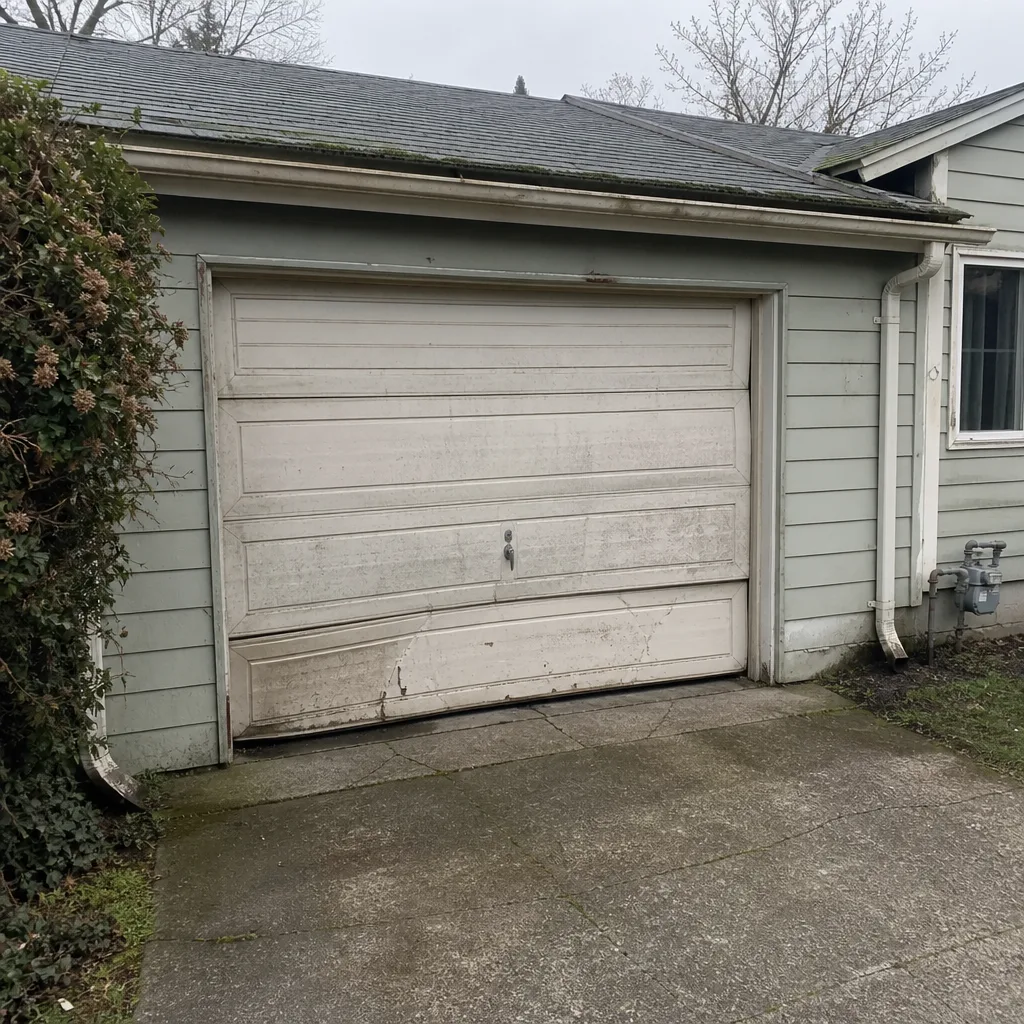 Before
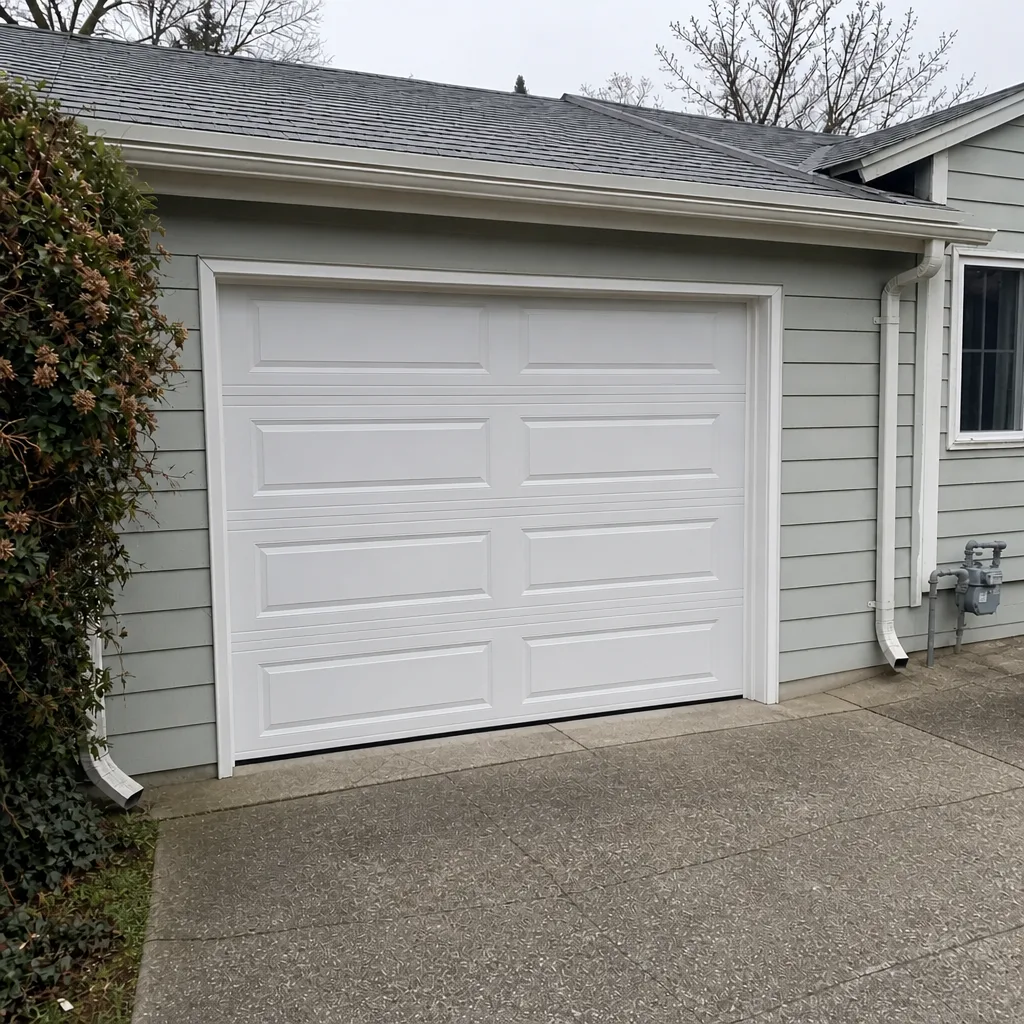 After
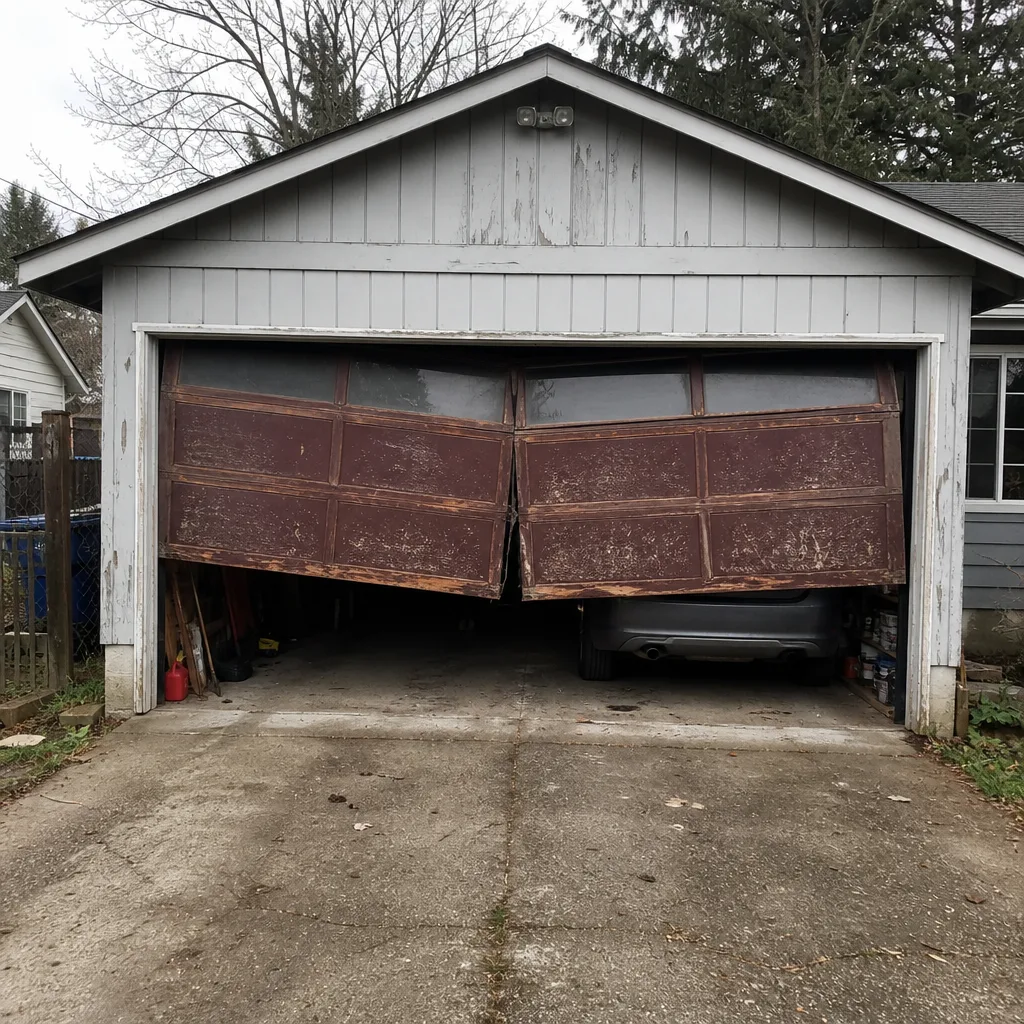 Before
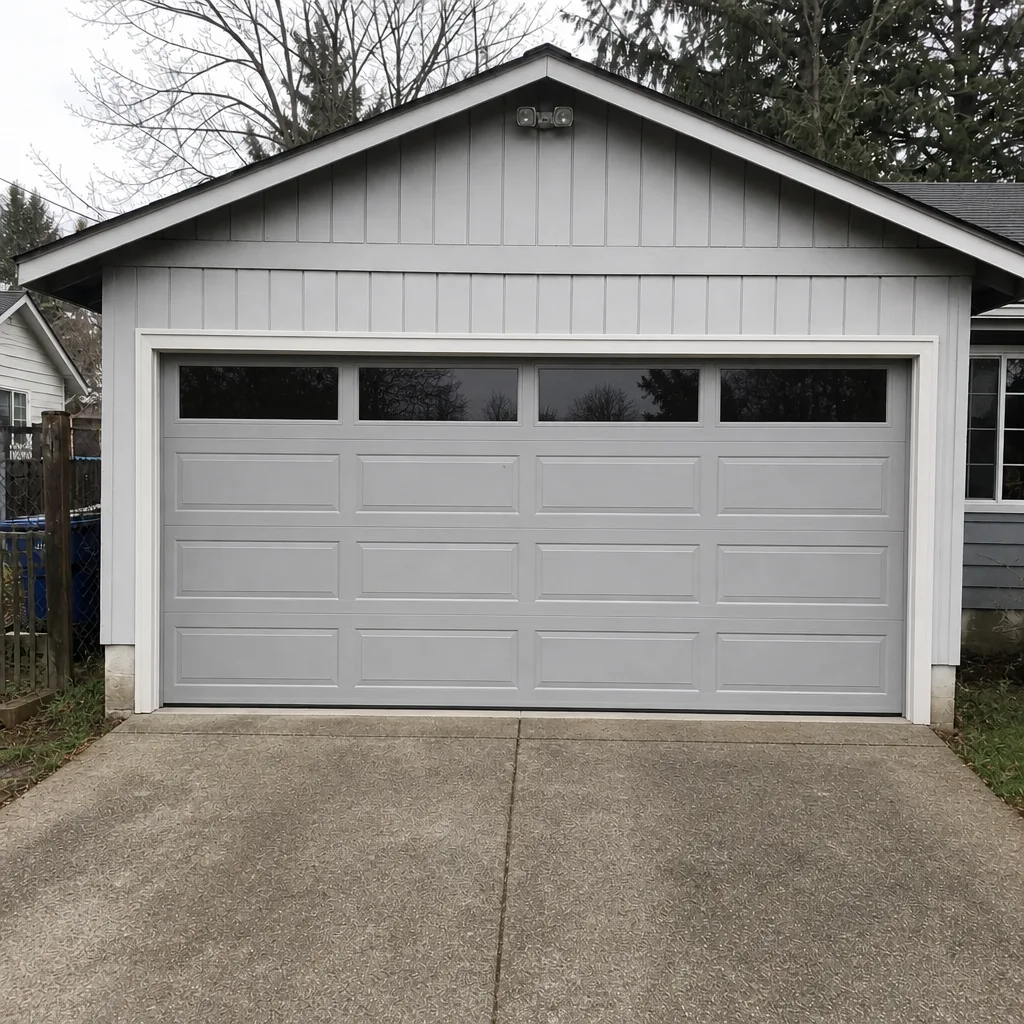 After
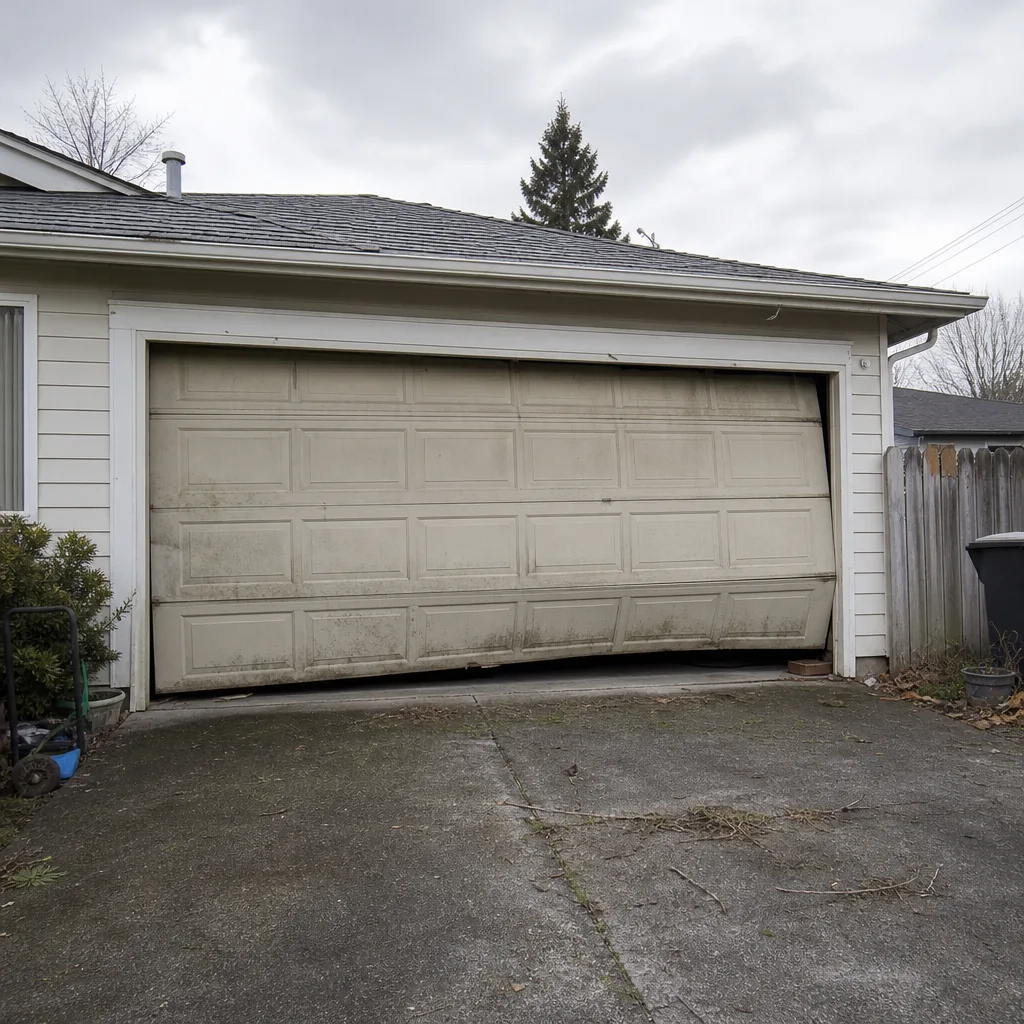 Before
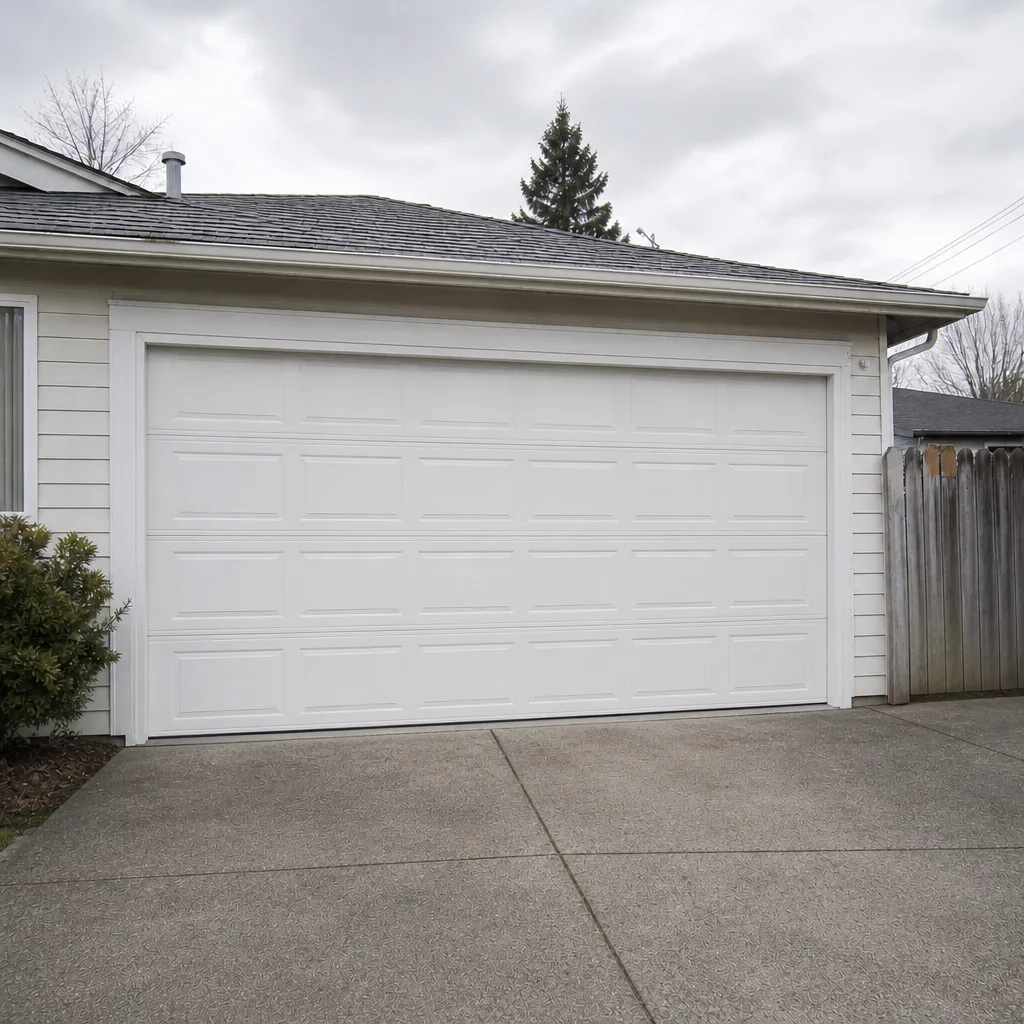 After
When to Call a Professional
Call a professional when the job involves springs, cables or torsion hardware, when the door has come off its tracks, when the opener runs but the door doesn’t move, or when the scope of a replacement might touch framing you can’t see behind the drywall. Our technicians have up to 11 years of experience, we service LiftMaster, Chamberlain, Genie, Clopay, Amarr, Wayne Dalton, Craftsman and Raynor equipment, and we handle the whole job from the opener to the springs to the door itself, so you don’t need a second vendor. We work on your brand, whichever one it is. Garage Door Repair Tacoma Pros offers free estimates in Tacoma. Call (866) 937-8952. We answer 24/7. Fast dispatch from 7am to 7pm, Sunday through Friday.
Frequently Asked Questions
Usually not, if you’re replacing the door into the same opening with no changes to framing, header or the fire separation. A City of Tacoma permit is typically triggered when the structure of the opening changes. If the dimensions or headroom change, ask the city’s building department before ordering. Call (866) 937-8952 for a free estimate on the door work itself.
No, not the overhead vehicle door in a typical residential attached garage. Washington residential code requires a fire-separation assembly between the garage and the living space, which is the wall and the interior door between them, not the vehicle door. That distinction matters when you’re choosing a replacement.
Search the City of Tacoma’s public permit records by address or parcel number, then look at the permit status and inspection history. A finaled inspection is the documentation you want. If older records aren’t digitized, call the building department with the address. Call us if the door itself needs work while you sort it out.
It does when the garage is part of the conditioned or semi-conditioned envelope, for example when there’s living space above or beside it. In that case an insulated door and proper seals are the expectation. If your garage is detached and unheated, the requirement is different. Call (866) 937-8952 for a free estimate on the right specification for your home.
A code inspection covers header and framing, anchoring to structure, fire-separation continuity, energy details and opener safety hardware such as photo-eye reversal. It does not assess how quiet or well-balanced the door is. If the door passes but rattles or reverses on its own, that’s a separate adjustment.
Yes, if the work was a like-for-like replacement with no structural change. Disclose the scope clearly. If the opening was reframed, pursue a retroactive permit and inspection before closing. Call (866) 937-8952 if you need the door’s condition evaluated as part of getting it resolved.
The Bottom Line
The permit line for garage door work in Tacoma runs through structure, not price. A same-opening door replacement is generally a replacement. A header change, reframe, new opening or modification to the fire separation is an alteration that needs a permit, a rough inspection and a final. Washington’s energy code and fire-separation rules apply to your door regardless of whether a permit was pulled, so the specification matters even on paperwork-free jobs. Check the city’s permit records before you buy or sell, handle springs and torsion work professionally, and resolve unpermitted structural work early. Free estimates on any door work: (866) 937-8952.
Written by the team at Garage Door Repair Tacoma Pros.