
Last updated November 23, 2026
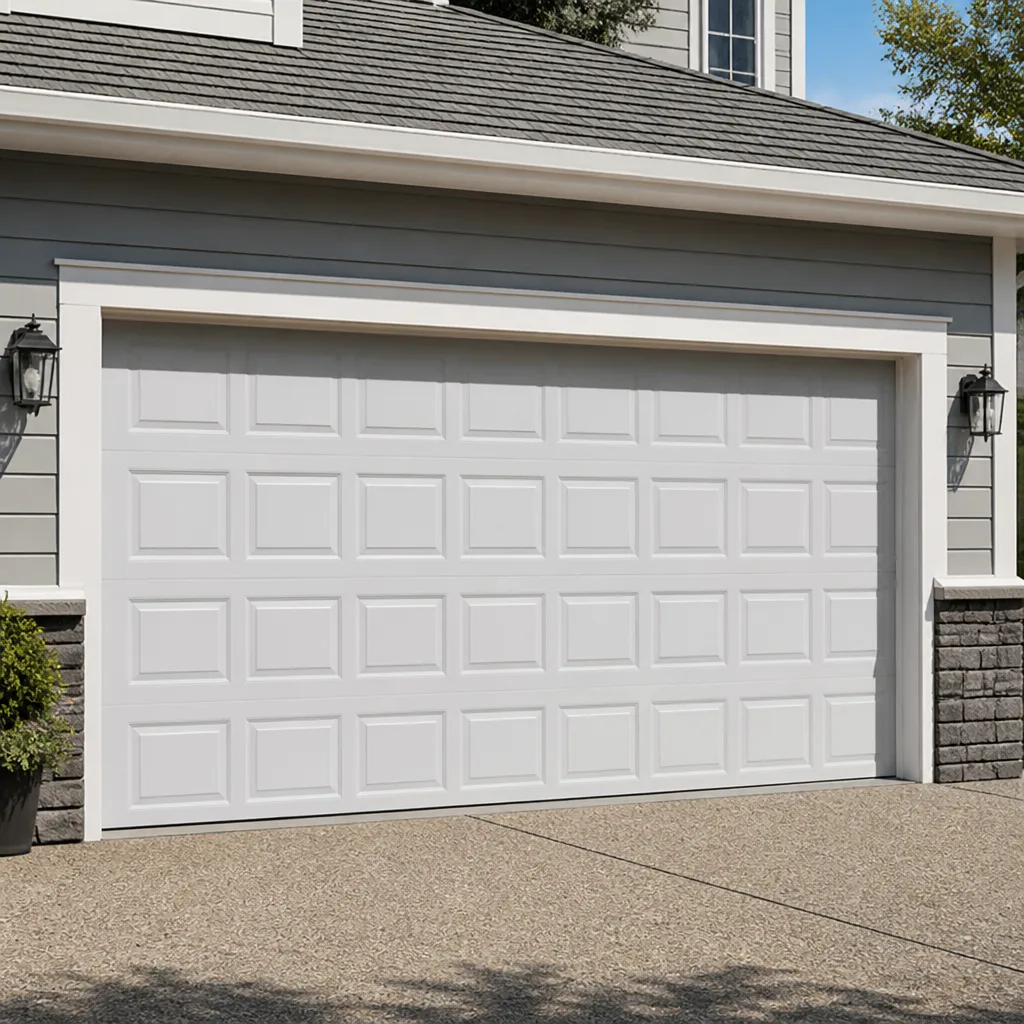 Raised-panel steel
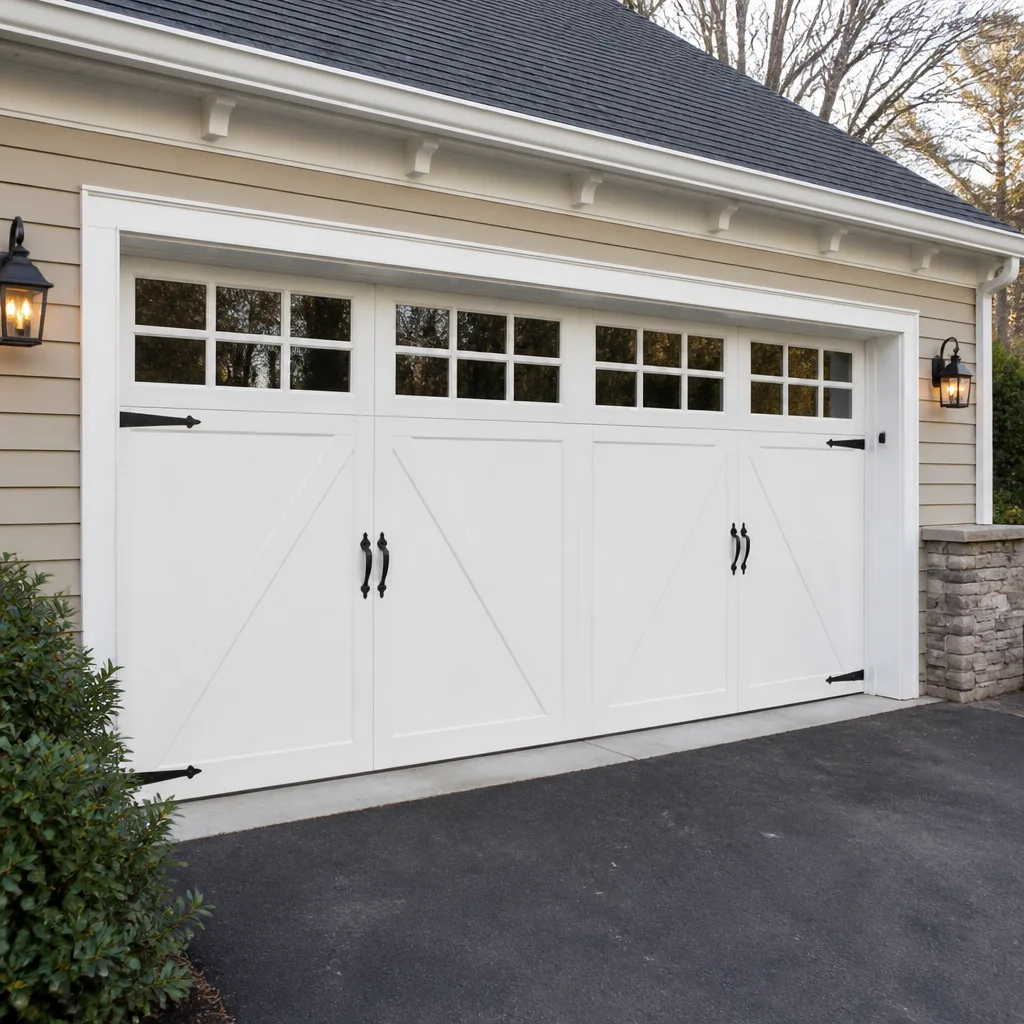 Carriage house
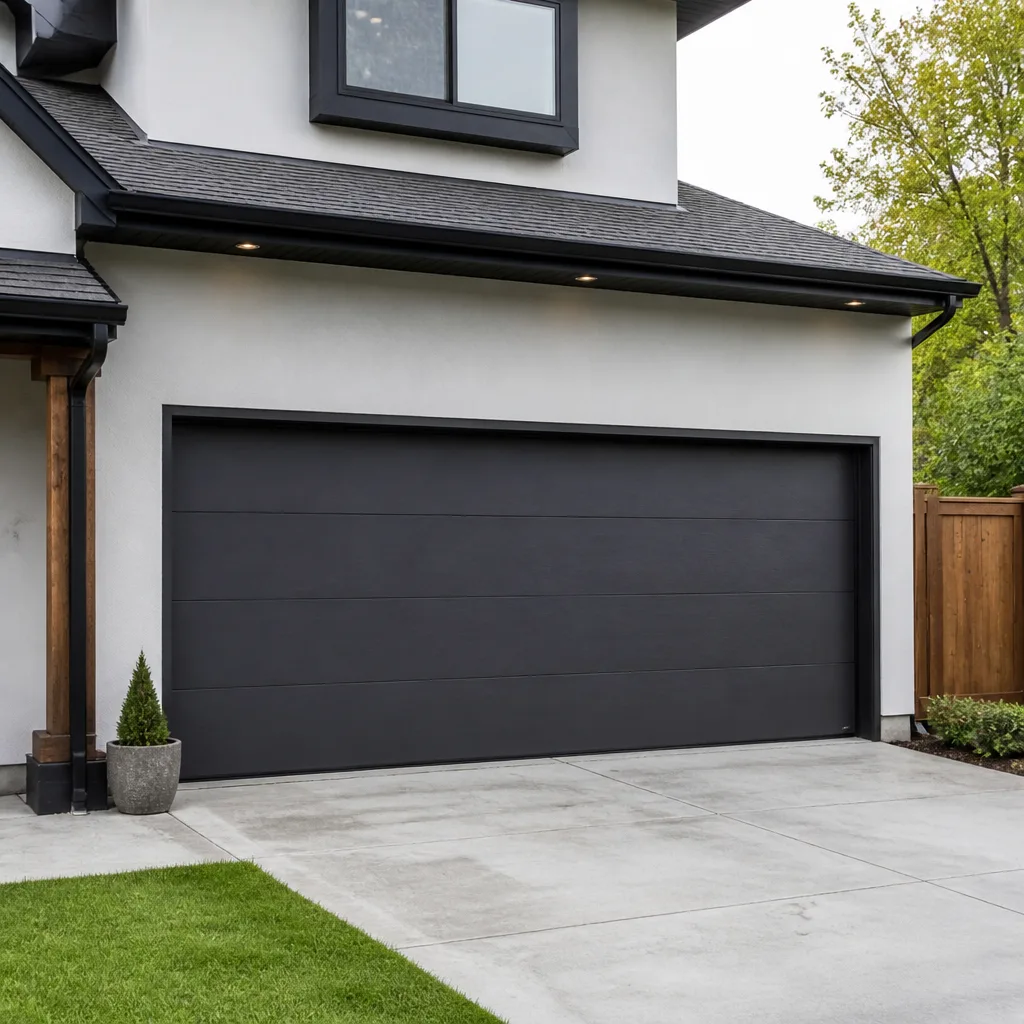 Modern flush
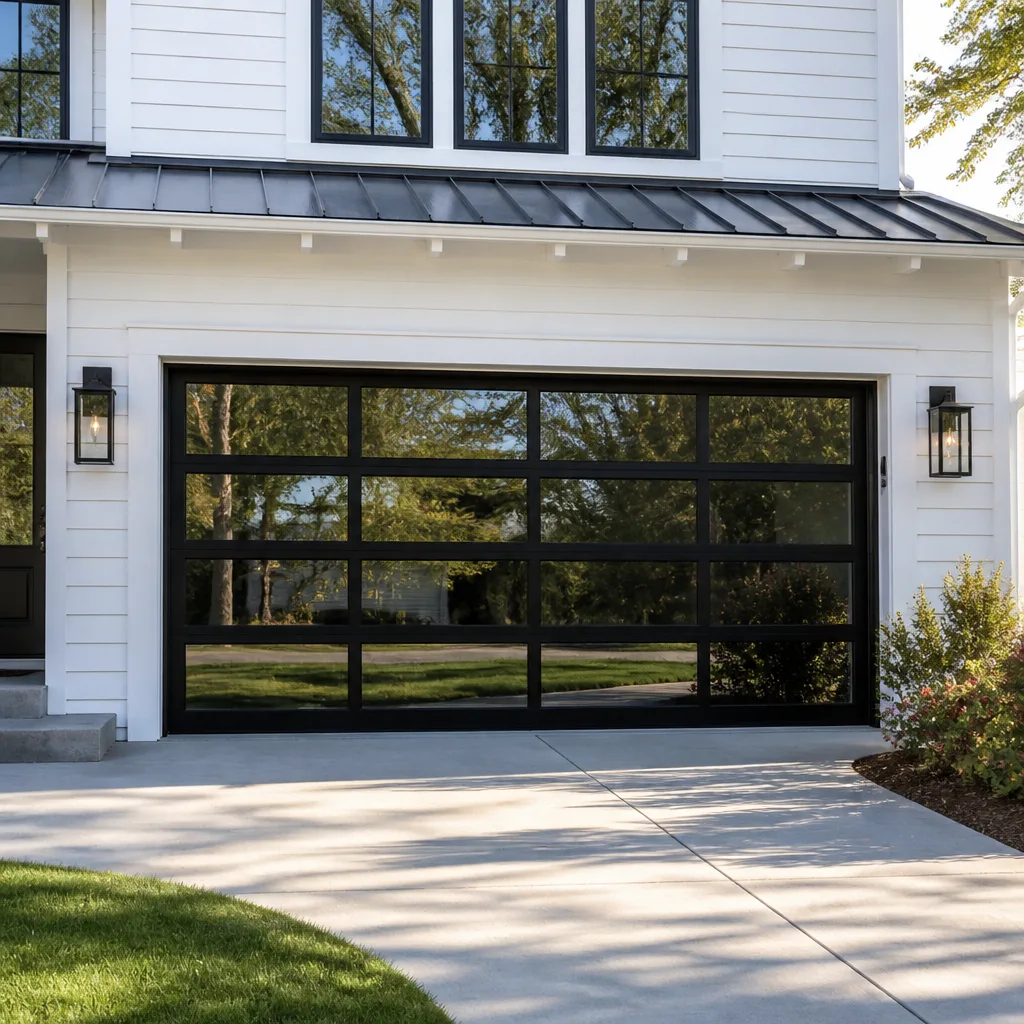 Full-view glass
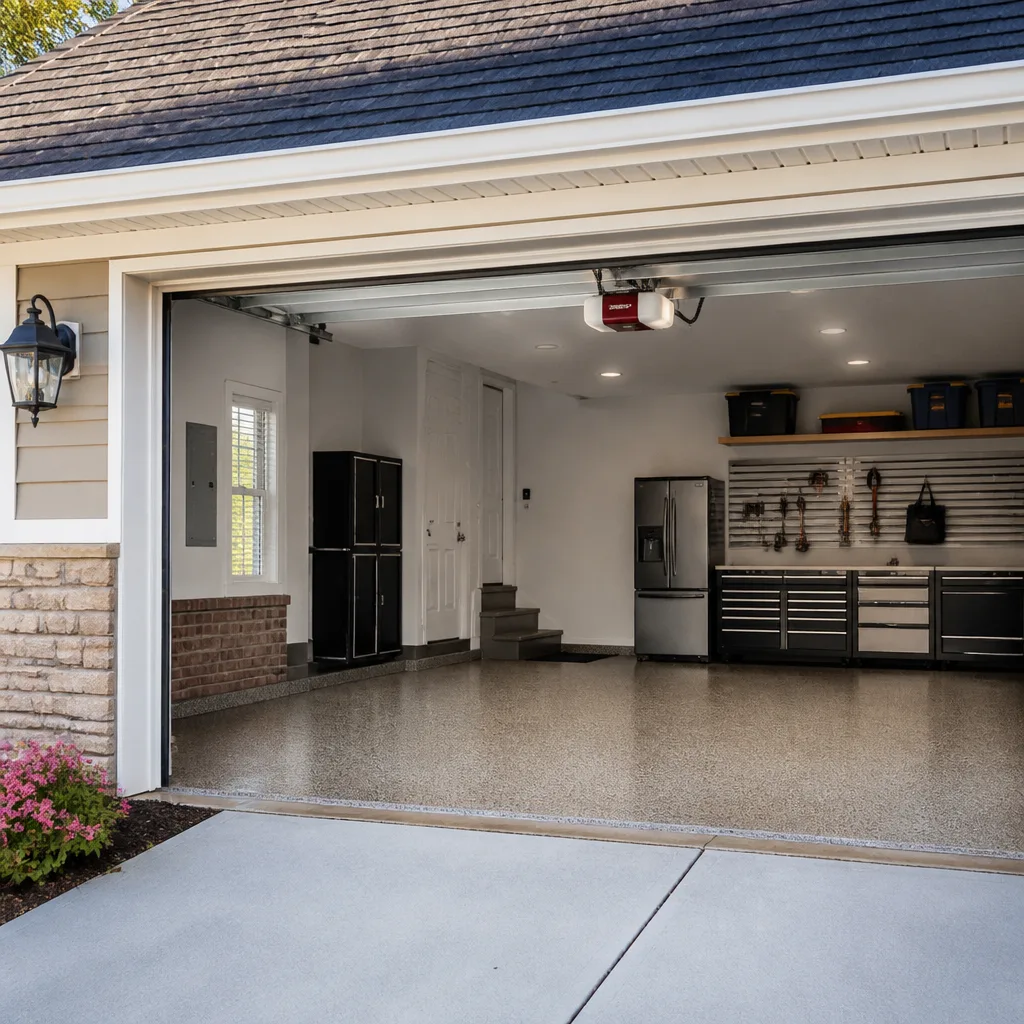 LiftMaster openers
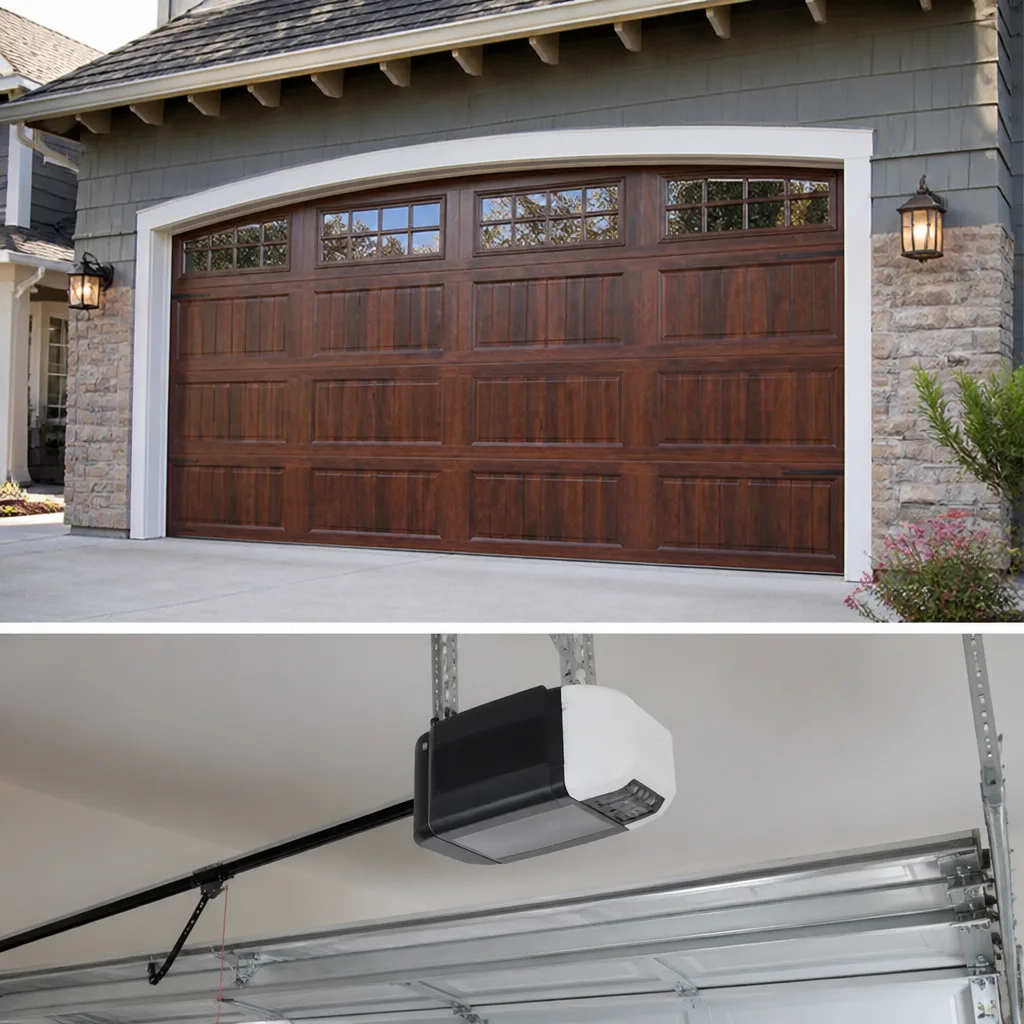 Chamberlain openers
Full 25-point door and opener safety check with every visit - springs, cables, rollers, tracks, and your LiftMaster or Chamberlain opener included
You get a price before we start. It does not change when the pro arrives.
Get your free estimateDIY vs Professional Garage Door: The Tacoma Homeowner’s Decision Guide
Most garage door advice splits into two useless camps: “never touch it, call a pro” and “here’s a video, have at it.” Both are wrong. The real answer depends on which task you’re looking at. Some jobs on a garage door are genuinely safe for a careful homeowner with basic tools. Others carry injury risk no tutorial can remove, and we’ve seen the results when people try anyway. This guide draws that line clearly for Tacoma homeowners, task by task, so you don’t pay a technician to spray lubricant on a hinge, and you don’t risk your hands on a torsion spring. By the end you’ll know exactly which jobs are yours and which ones belong to a professional.
Quick Answer
Most garage door maintenance and minor adjustments are safe to do yourself, but torsion spring replacement, cable replacement, and opener motor swaps require a trained technician. In Tacoma, professional repair typically costs more than DIY parts, but the gap narrows sharply once you account for tools, time, and the cost of a failed repair. When in doubt, call a professional for anything involving springs, cables, or the counterbalance system.
Styles & brands we work with
- Raised-panel steel
- Carriage house
- Modern flush
- Full-view glass
- LiftMaster openers
- Chamberlain openers
Table of Contents
- The Definitive DIY vs Professional Task List
- How to Tell Which Spring System You Have in 10 Seconds
- The Real Cost Comparison: DIY vs Professional in Tacoma
- What Tools a DIY Garage Door Repair Actually Requires
- The Liability Question Nobody Talks About
- Safe DIY Tasks You Can Do This Afternoon
- Professional-Only Tasks and Why
- Common Mistakes to Avoid
The Definitive DIY vs Professional Task List
Here’s the honest breakdown, based on what we actually see on service calls around Tacoma. Some of these tasks a mechanically competent homeowner can handle safely. Others should never be attempted without proper training and tools.
Safe for a Confident DIYer
- Photo-eye sensor alignment: If the door reverses or won’t close, the sensors are often just out of line. Straighten them, check the indicator lights, done.
- Lubrication: Hinges, rollers, and the track benefit from a proper garage door lubricant a few times a year. Tacoma’s damp winters make this more important than in drier climates.
- Limit and force adjustment on the opener: Most openers, including LiftMaster and Chamberlain units, have adjustment screws or dials. The manual explains the process.
- Panel dent repair: Minor dents in a steel panel can sometimes be worked out from behind, or the panel itself can be replaced on a sectional door.
- Weather seal replacement: The bottom rubber seal wears out and lets water in. Swapping it is a straightforward job.
- Remote and keypad programming: Usually a matter of following the opener manual, though Craftsman units can have their own quirks.
Professional-Only Tasks
- Torsion spring replacement: The spring holds the door’s entire weight under extreme tension. This is the single most dangerous repair in the trade.
- Extension spring replacement: Safer than torsion, but the springs are still under load and can cause injury if released improperly.
- Cable replacement: Cables are under tension and can snap with enough force to cause serious injury.
- Opener motor swap or replacement: Wiring, mounting, and force calibration all factor in, and getting it wrong can damage the door or opener.
- Track realignment after impact: A bent track affects the whole door’s movement. This needs proper gauges and adjustment.
- Roller and hinge replacement on a door under tension: Replacing these means relieving tension, which puts you back in spring territory.
The pattern is clear. If the job involves the counterbalance system, the springs, or the cables, that’s a professional call. If it’s maintenance, adjustment, or a small part swap that doesn’t require relieving tension, it’s yours to handle. For anything in the middle, our garage door repair team can talk you through what’s actually needed before anyone comes out.
How to Tell Which Spring System You Have in 10 Seconds
Before you even think about touching a spring, you need to know which system your door uses. This determines both the danger level and the tools required. Here’s the fastest way to tell.
Stand outside and look above the door, at the top of the opening.
- Look for a horizontal shaft running across the top of the door. If you see a metal bar with one or two springs coiled around it, you have a torsion system. Look above the door, not at the sides.
- Look at the sides of the door, above the tracks. If you see springs stretched out along the horizontal tracks on either side, you have an extension system.
- Check the spring color coding. Torsion springs are often painted on one end – the color indicates the spring’s torque rating. Extension springs sometimes have a color code too.
- Count the springs. A single door usually has one torsion spring or two extension springs. A double door typically has two torsion springs or four extension springs.
Torsion systems are more common on newer installations, and they’re the ones that require a winding bar. Extension systems are more DIY-accessible in theory, but still carry real risk. Even if you’re mechanically capable, springs under load can cause injury in a fraction of a second. If you’re not sure which system you have, or you’re looking at a broken spring on either one, that’s a call to a professional. Spring repair is one of the highest-risk jobs on any garage door, and it’s worth getting right the first time. Our team handles Garage Door Repair Tacoma Pros spring work regularly, including Raynor and LiftMaster systems.
The Real Cost Comparison: DIY vs Professional in Tacoma
The DIY pitch sounds simple: buy the part, watch a video, save the labor cost. In practice, the math is messier. Here’s an honest look at what each path actually costs for a Tacoma homeowner, including the costs people forget to add in.
DIY Cost: Parts, Tools, and Time
- Springs: A replacement torsion spring typically costs a fraction of the professional job, but you need to match the exact wire gauge, inside diameter, and length or the door won’t balance correctly.
- Winding bars: The one tool most homeowners don’t own. They’re not expensive, but they’re not something you can substitute with a screwdriver. More on that below.
- Time: A first-time spring replacement can take hours, and if you get the tension wrong, you’re doing it again.
- Doing it wrong: A mismeasured spring can damage the opener, bend the tracks, or leave the door unbalanced. Those repairs cost more than the spring job would have.
Professional Cost: What’s Included
When you hire a technician, you’re paying for the part, the labor, and the diagnostic work that goes into getting the right part. You’re also paying for the safety equipment and training that make the job safe. In the Tacoma market, professional garage door repair is priced per job with a written estimate before any work starts, so there’s no surprise invoice at the end. For anything involving springs or cables, the professional route is usually the cheaper path once you factor in the risk and the potential for rework.
Where the DIY math wins is on the small stuff. Lubricating hinges and rollers, aligning sensors, replacing a bottom seal, programming a remote – these are quick, cheap, and low-risk. Paying a technician to do them is unnecessary. For anything more involved, ask yourself whether the savings are worth the risk. If the answer is unclear, a free estimate is worth more than a guess. Our garage door opener repair team can tell you whether the opener is salvageable before you decide to replace it.
What Tools a DIY Garage Door Repair Actually Requires
This is where a lot of DIY plans quietly fall apart. Garage door work looks simple from the outside, but the tools required for the dangerous jobs are specialized for a reason. Here’s what each tier of repair actually demands.
Tools for the Safe DIY Tasks
- Wrench and socket set for hinge and bracket bolts
- Screwdrivers for sensor and opener adjustment
- Garage door lubricant (not WD-40, which attracts dust)
- A level for checking the door’s alignment
- Replacement weather seal and the appropriate adhesive or track
Tools for Professional-Only Tasks
- Winding bars: The non-negotiable tool for torsion spring work. They’re machined to fit the winding cone and hold the spring under tension while you adjust it.
- Spring gauges: To measure wire diameter and match the replacement spring to the door’s weight.
- Locking pliers or a winding bar set for securing the door: To keep the door from moving while it’s under tension.
- Cable clamps and crimping tools: To safely terminate new cables.
Here’s the honest part: the absence of a winding bar alone disqualifies most homeowners from torsion spring work. There’s no safe substitute. A screwdriver, a pipe, or a pair of pliers can slip under tension and cause serious injury. If you don’t own the right tool, you don’t have the right setup for the job. That’s not a sales pitch, it’s a safety line. Extension springs don’t require winding bars, but they still require proper clamping and controlled release. If you’re not confident, the risk isn’t worth the savings.
The Liability Question Nobody Talks About
Here’s a question almost no DIY guide addresses: what happens to your homeowner’s insurance if a DIY repair fails and someone gets hurt?
Homeowner’s insurance policies vary widely, and we’re not going to tell you what yours says. But the general principle is worth understanding. Most policies cover accidental damage, and some exclude damage from faulty workmanship or unpermitted modifications. If a DIY spring repair fails and the door comes down on a car, or an improperly adjusted opener causes the door to reverse at the wrong time, the claim process gets complicated fast. Your insurer may ask who did the work, whether it was permitted, and whether the repair was done to code. If the answer is “I did it myself based on a video,” the claim may be denied or the payout reduced.
The same logic applies to injuries. If a guest or family member is hurt by a door that failed after a DIY repair, liability questions get harder to answer. This isn’t a scare tactic. It’s a real consideration for anything involving the counterbalance system, which is the part of the door that holds the most energy and does the most damage if it fails.
None of this means you shouldn’t do DIY maintenance. It means the calculation is broader than parts and labor. For a $20 sensor realignment, the liability question is moot. For a spring replacement, it’s central. If you’re ever in doubt about whether a repair is covered, ask your insurer before you start. And if the repair involves the springs, cables, or opener wiring, have it done by someone with the training to do it right. That’s not just safer, it’s easier to explain to anyone who asks later.
Safe DIY Tasks You Can Do This Afternoon
Not everything needs a technician. These jobs are genuinely doable for a careful homeowner with basic tools, and doing them yourself keeps the door running smoothly between professional service visits.
- Lubricate the hinges, rollers, and track. Use a proper garage door lubricant, not a general-purpose spray. Tacoma’s wet winters mean the door gets more moisture exposure than in drier parts of the state, so this is worth doing a few times a year.
- Align the photo-eye sensors. If the door won’t close, check that the two sensors at the bottom of the tracks are facing each other and their indicator lights are on. A small nudge is often all it takes.
- Test the auto-reverse. Put a small object in the door’s path and confirm the door reverses. If it doesn’t, the opener’s force or limit settings need adjustment, and that’s in the manual.
- Replace the bottom weather seal. A worn seal lets water and debris into the garage. Sliding a new one on is a simple job.
- Program a new remote or keypad. Most LiftMaster and Chamberlain openers have a learn button and a clear programming sequence.
- Tighten loose hinge and bracket bolts. A rattling door is often just loose hardware. A wrench and a few minutes will quiet it.
These tasks are worth learning. They’ll save you money over time and help you spot problems before they become expensive. The key is knowing where the line is. If a task requires relieving tension, adjusting the counterbalance system, or working inside the opener’s wiring, it’s crossed that line. For everything on this list, you’re on safe ground.
Professional-Only Tasks and Why
These are the jobs where the risk is real and the training matters. We’re not going to walk you through doing them yourself, because a step-by-step guide for a torsion spring is a recipe for an emergency room visit. Here’s what each one involves and why it’s a professional call.
- Torsion spring replacement: The spring holds the door’s weight under extreme tension. Replacing it requires winding bars, a spring gauge, and the knowledge to match the spring to the door’s weight. Getting it wrong can cause serious injury or damage the entire door system. This is the single job we’d never recommend for a DIYer, no matter how handy.
- Cable replacement: Cables are under tension and can snap without warning. The replacement requires proper clamping and controlled release. A cable that fails under load is dangerous.
- Opener motor swap or full replacement: Wiring, mounting brackets, and force calibration all need to be right. An improperly installed opener can damage the door, the track, or the motor itself. If your opener is on its way out, garage door installation for a new unit is a scheduled job, not a same-day fix.
- Track realignment after impact: A bent track affects the door’s entire travel path. Proper realignment requires gauges and adjustment that a homeowner doesn’t have.
- Roller and hinge replacement on a tensioned door: To replace these, you often need to relieve tension, which puts you back in spring territory.
The common thread is the counterbalance system. Springs and cables hold the door’s weight. The opener just guides it. If the job touches the parts holding the weight, it’s a professional call. If it’s maintenance on the parts that guide it, it’s yours. Our technicians have up to 11 years of experience and work on whatever system is installed, including Clopay and Amarr doors and Genie openers. Same-day and emergency service is available when a door won’t move and you need it fixed today.
Common Mistakes to Avoid
- Using the wrong lubricant. WD-40 and similar sprays attract dust and grit, which wears the rollers faster. Use a proper garage door lubricant instead. Tacoma’s damp climate makes this more important, not less.
- Assuming a noisy door needs replacement. A rattling or squeaking door is usually a lubrication or hardware issue. Don’t let anyone talk you into a new door before the simple fixes have been tried.
- Ignoring a broken spring and using the opener anyway. This is the most common mistake we see. The opener isn’t designed to lift the door’s full weight, and running it with a broken spring will burn out the motor or damage the door. Stop using the door until the spring is fixed.
- Adjusting the force settings to compensate for a problem. If the door won’t close, the fix is usually sensor alignment or a spring issue, not cranking up the opener’s force. That’s how doors come down on things they shouldn’t.
- Buying a spring online without measuring. Torsion springs are matched to the door’s weight, wire gauge, and inside diameter. A spring that’s even slightly off will wear out fast or leave the door unbalanced.
- Assuming all openers are the same. Craftsman, Chamberlain, and LiftMaster units have different programming and adjustment procedures. Check the manual before you start pressing buttons.
- Stopping at the first estimate. A second opinion is worth getting, especially if the first one recommends a full replacement. A repair is often the right call, and a good technician will say so.
See the difference
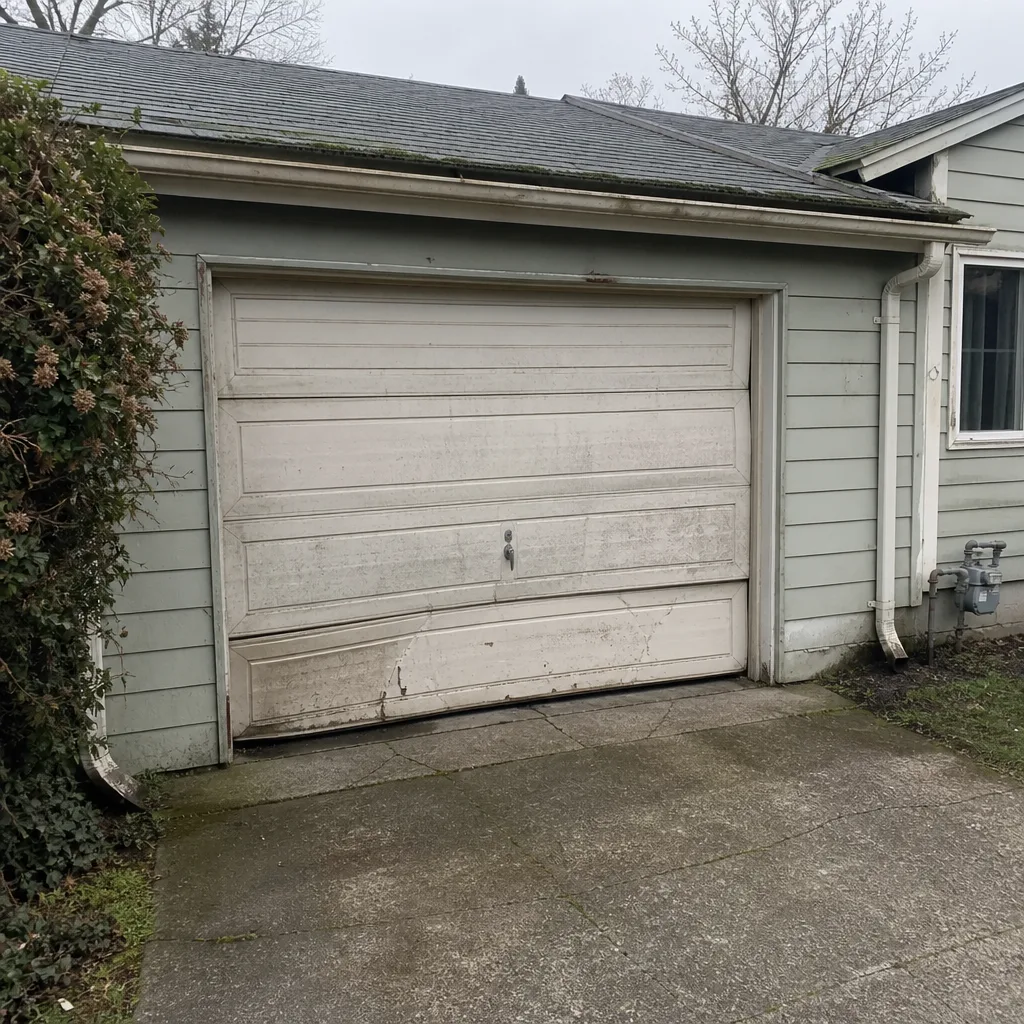 Before
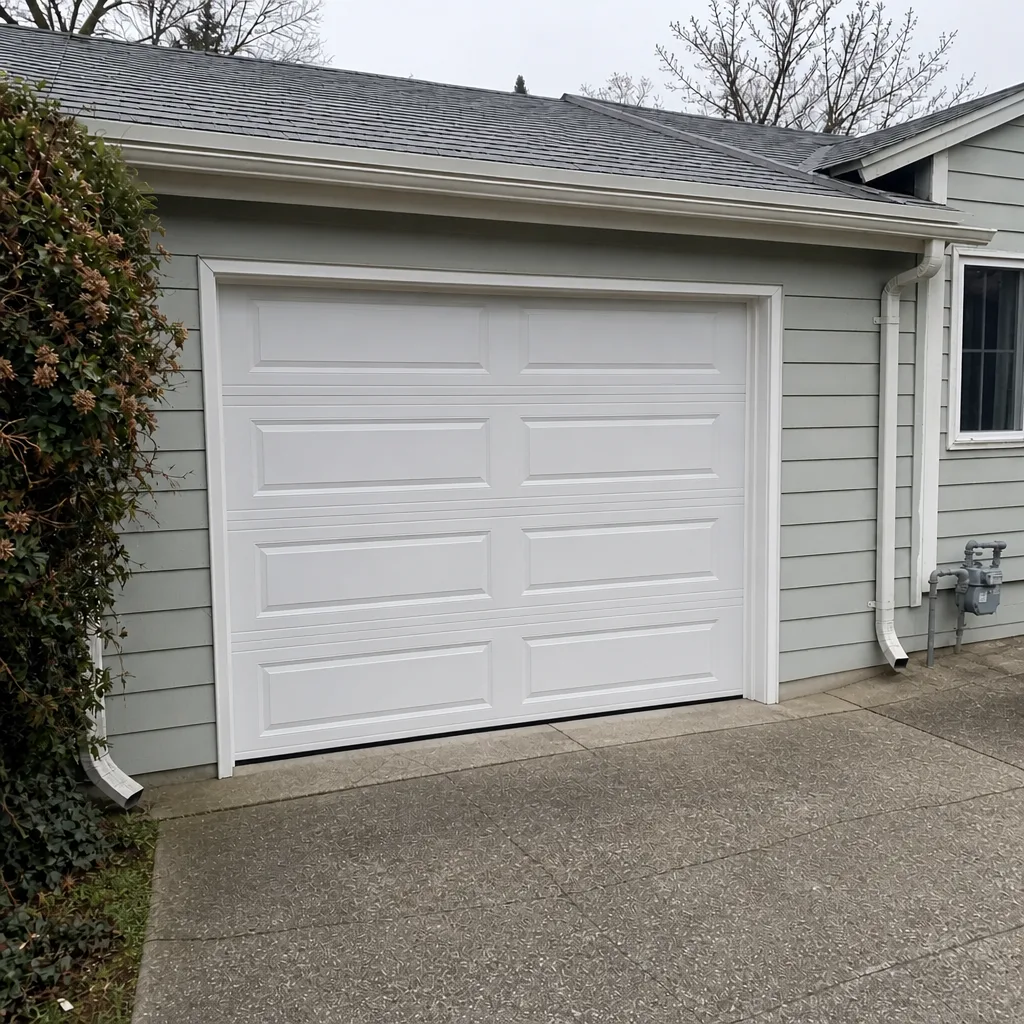 After
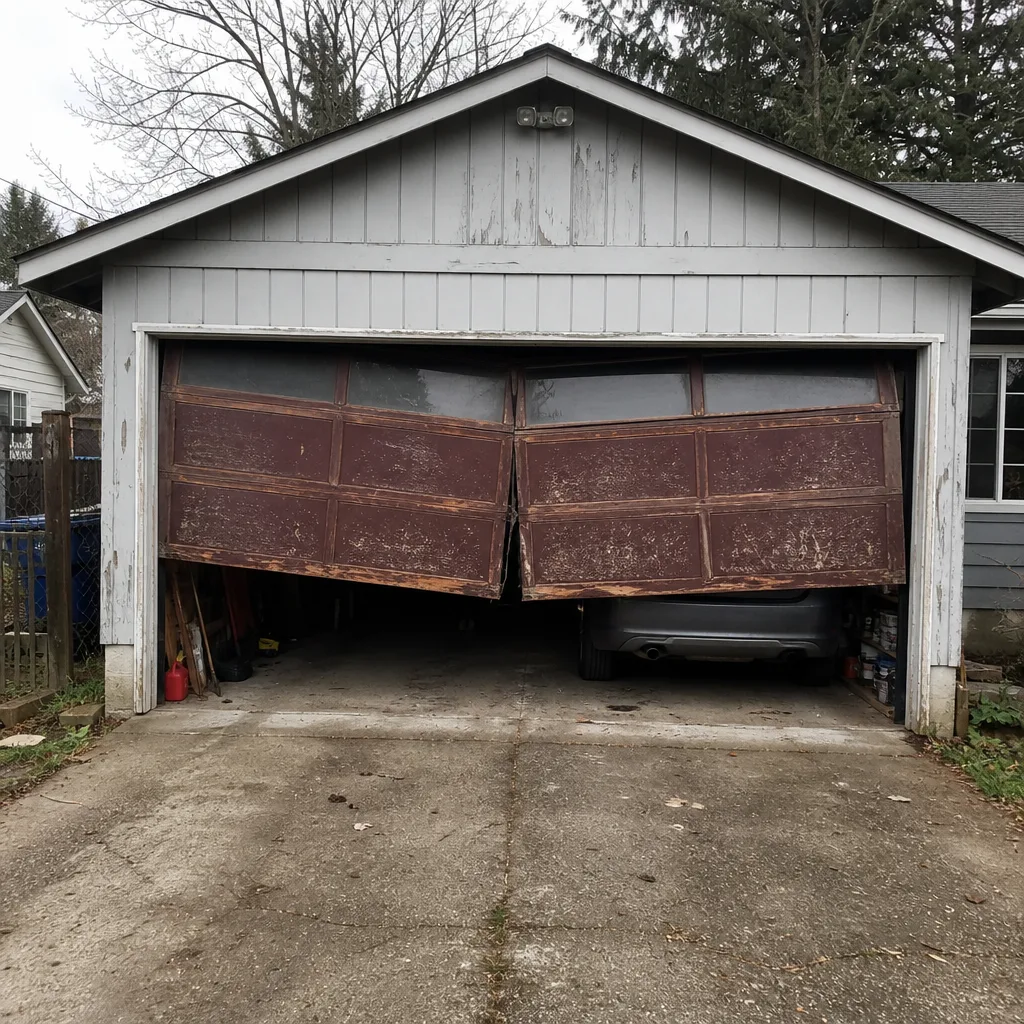 Before
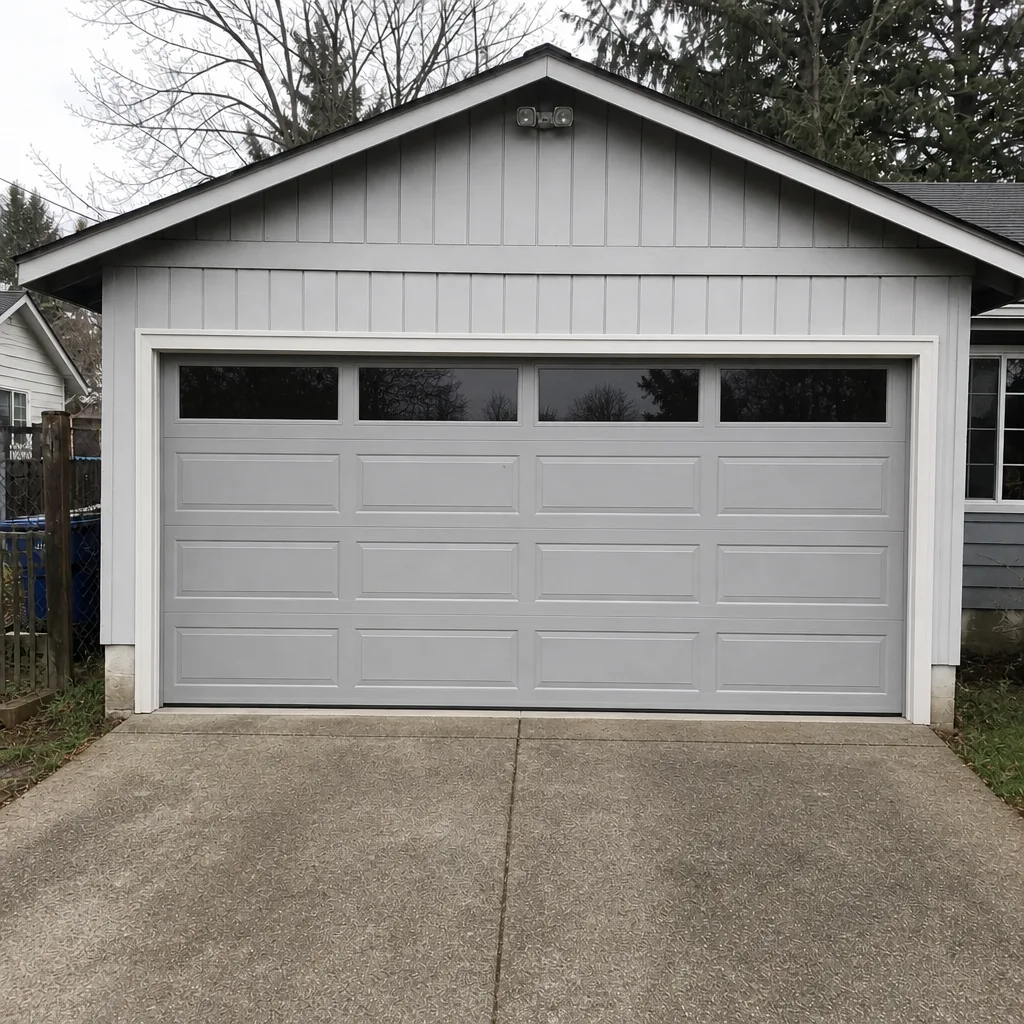 After
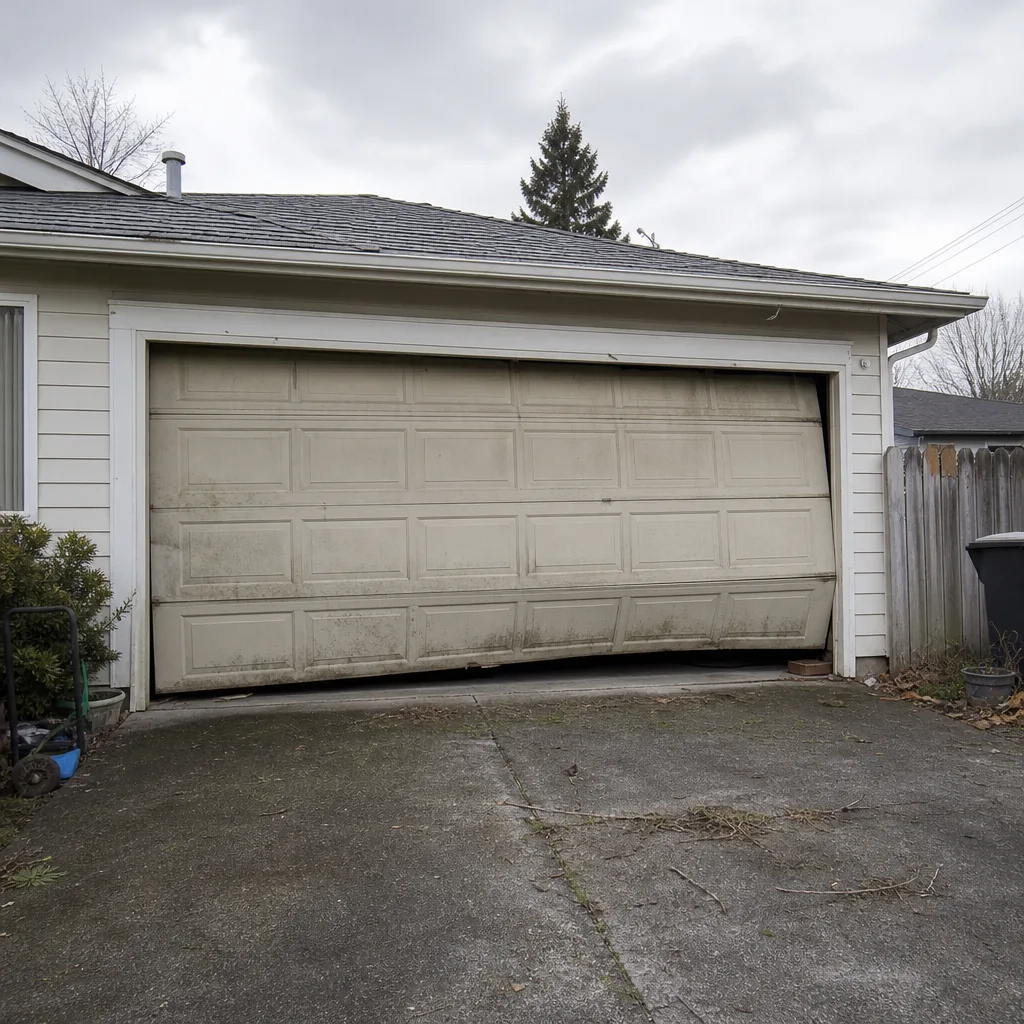 Before
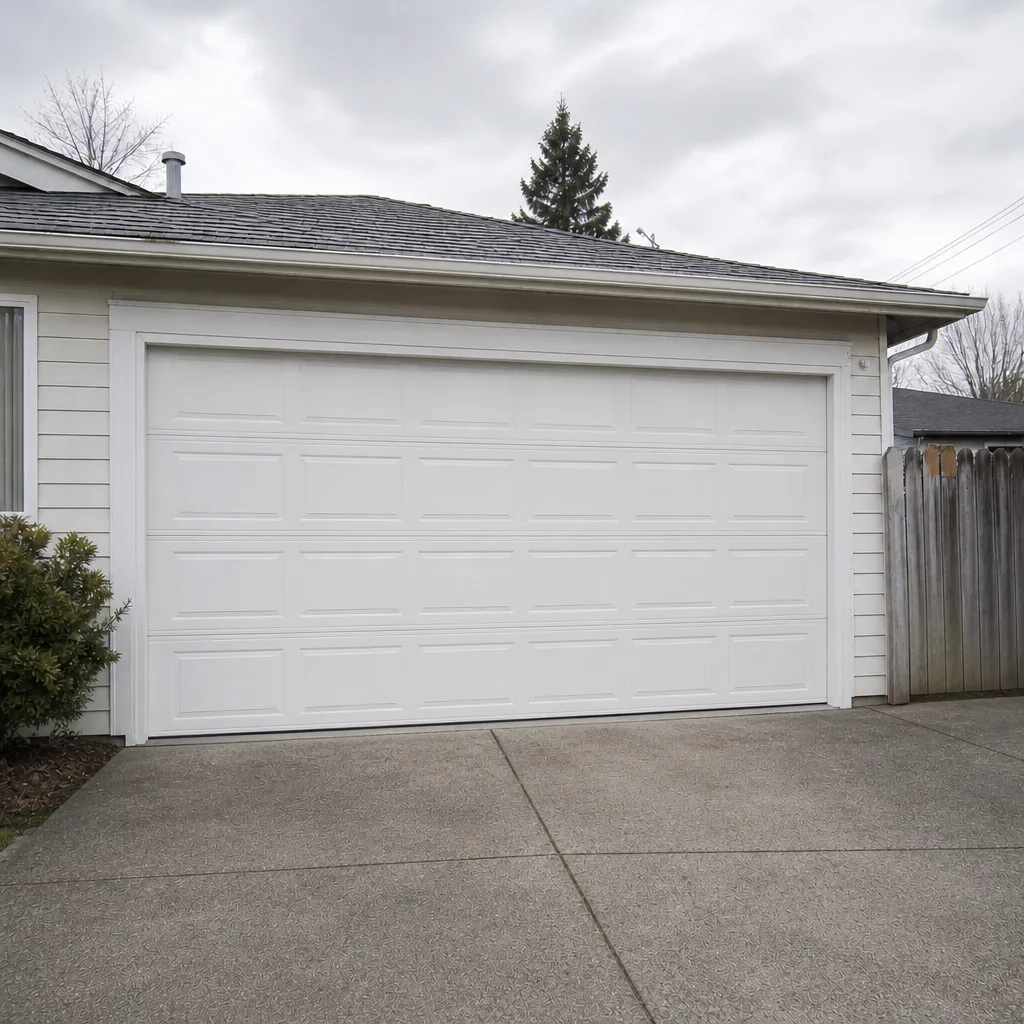 After
When to Call a Professional
Call a professional when the job involves springs, cables, opener wiring, or track realignment. Call when the door won’t move at all, when the opener runs but the door doesn’t, or when a spring has visibly snapped. Call if you’re not sure which system you have or what’s actually wrong. And call if you’ve started a repair and hit a point where you’re not confident – stopping is always the right move, even mid-job.
Garage Door Repair Tacoma Pros offers free estimates in Tacoma. Call (866) 937-8952. We answer 24/7. Fast dispatch from 7am to 7pm, Sunday through Friday. The price is quoted and agreed before any work starts, so there’s no surprise at the end. Emergency service is available when a door won’t move and you need it handled today.
Frequently Asked Questions
No, we don’t recommend it. Torsion springs are under extreme tension and require specialized tools like winding bars that most homeowners don’t own. Without proper training and tools, a DIY spring replacement carries a serious risk of injury. Call a professional for any spring work.
Professional spring repair in Tacoma is priced per job with a written estimate before work starts. A matched pair is usually replaced together, so the pair costs more than a single spring. The exact price depends on the door’s weight, the spring type, and the system. Call (866) 937-8952 for a free estimate.
You can safely lubricate hinges and rollers, align photo-eye sensors, replace the bottom weather seal, tighten loose hardware, and program remotes and keypads. These tasks don’t involve the counterbalance system and carry low risk. Anything involving springs, cables, or opener wiring should go to a technician.
It depends on your policy, so ask your insurer before you start. Some policies exclude damage from faulty workmanship. If a DIY repair causes injury or damage, the claim process can get complicated. For anything involving springs or cables, hiring a professional keeps the question from coming up.
Look above the door. A torsion system has a horizontal shaft with springs coiled around it. An extension system has springs stretched along the horizontal tracks on either side of the door. If you’re not sure, a technician can identify it in seconds.
Yes, same-day service is available for many repairs, including spring and opener issues. We answer 24/7. Fast dispatch from 7am to 7pm, Sunday through Friday. Call (866) 937-8952 and we’ll get a technician out as soon as possible.
The Bottom Line
The DIY vs professional question comes down to one thing: does the job involve the counterbalance system? If it does – springs, cables, or anything that requires relieving tension – call a professional. If it’s maintenance, adjustment, or a small part swap that doesn’t touch the springs, do it yourself and save the money. That line keeps you safe and keeps your door running. For everything else, Garage Door Repair Tacoma Pros is here for free estimates and same-day service when you need it. Call (866) 937-8952. We answer 24/7. Fast dispatch from 7am to 7pm, Sunday through Friday.
Written by the team at Garage Door Repair Tacoma Pros.