
Last updated November 23, 2026
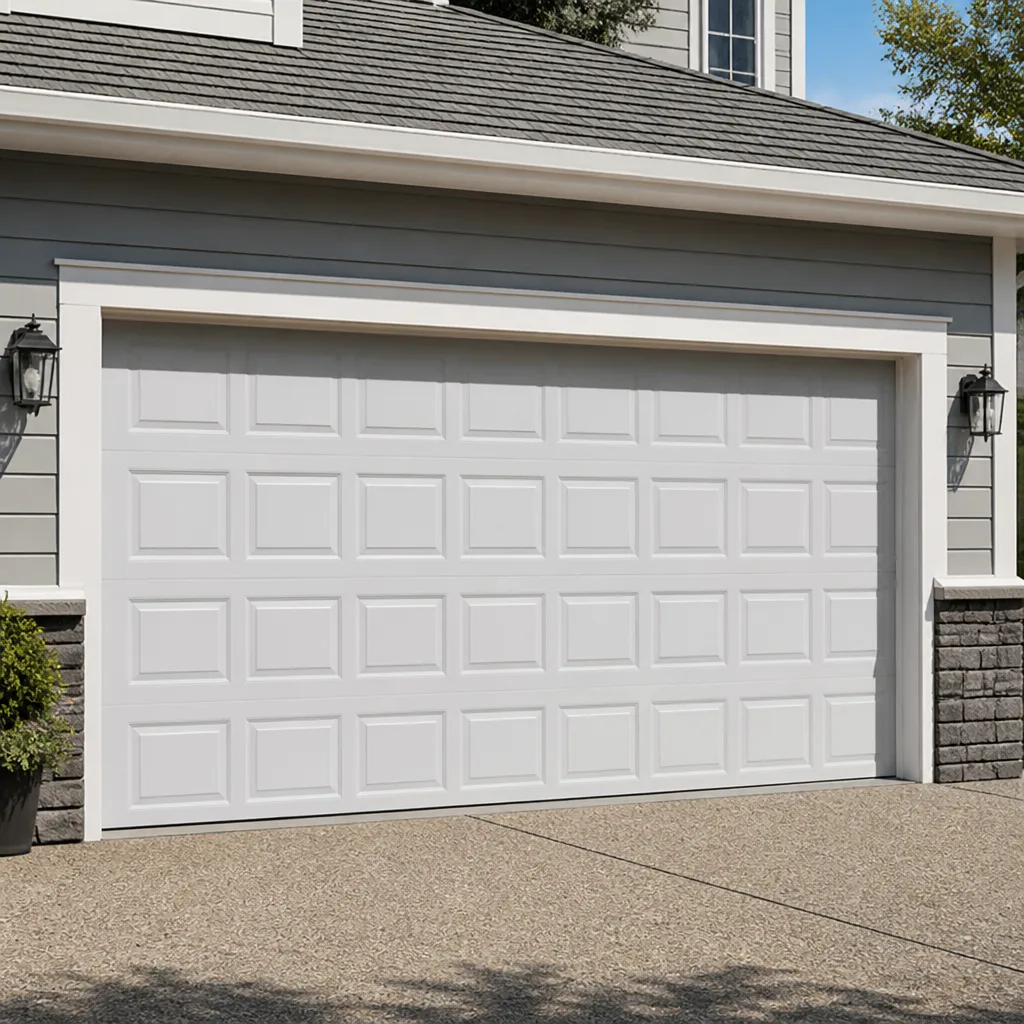 Raised-panel steel
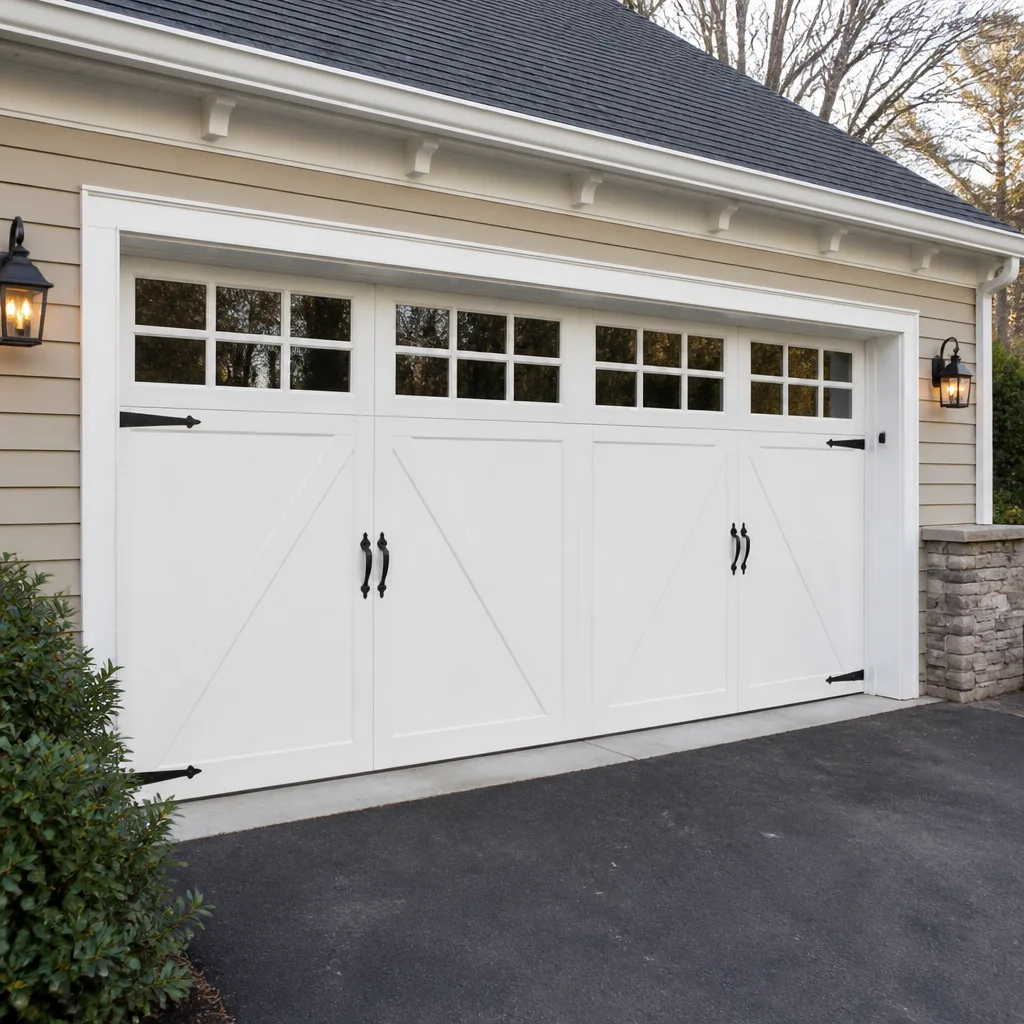 Carriage house
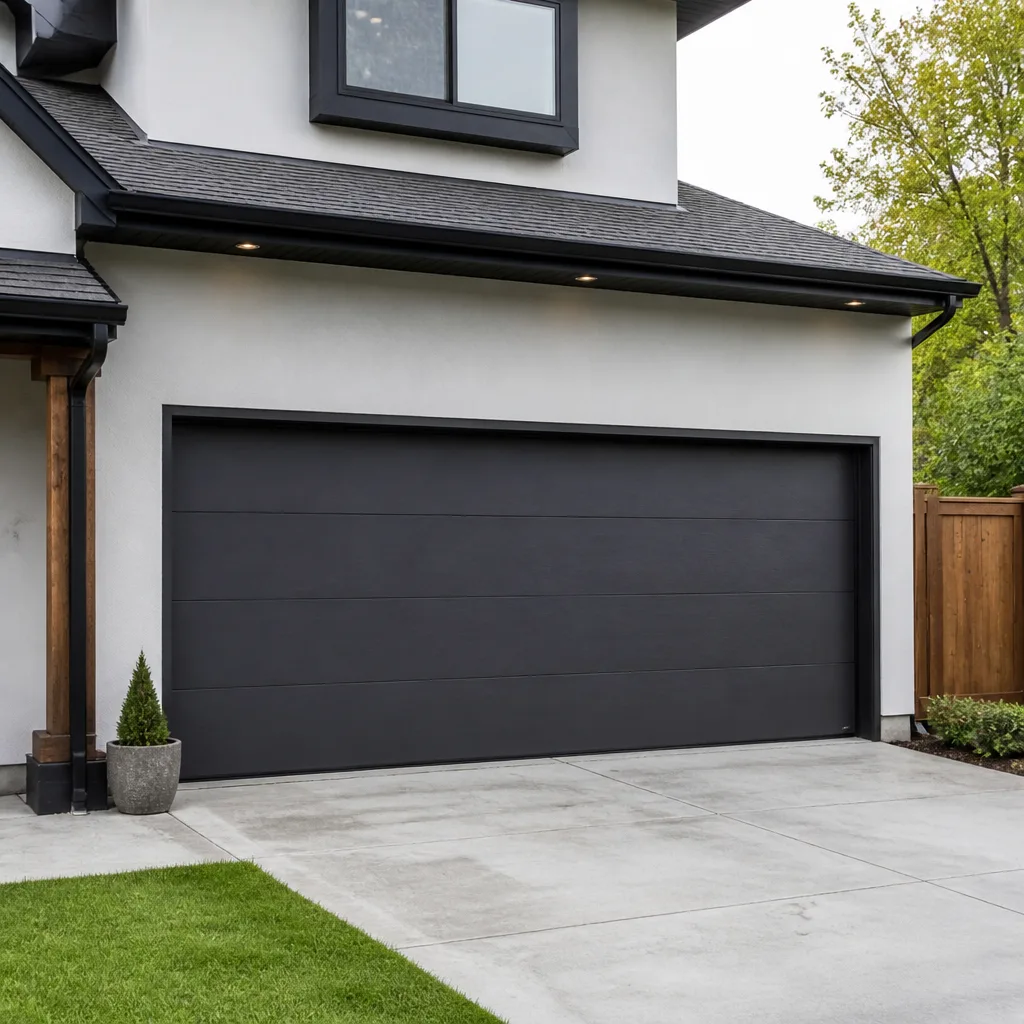 Modern flush
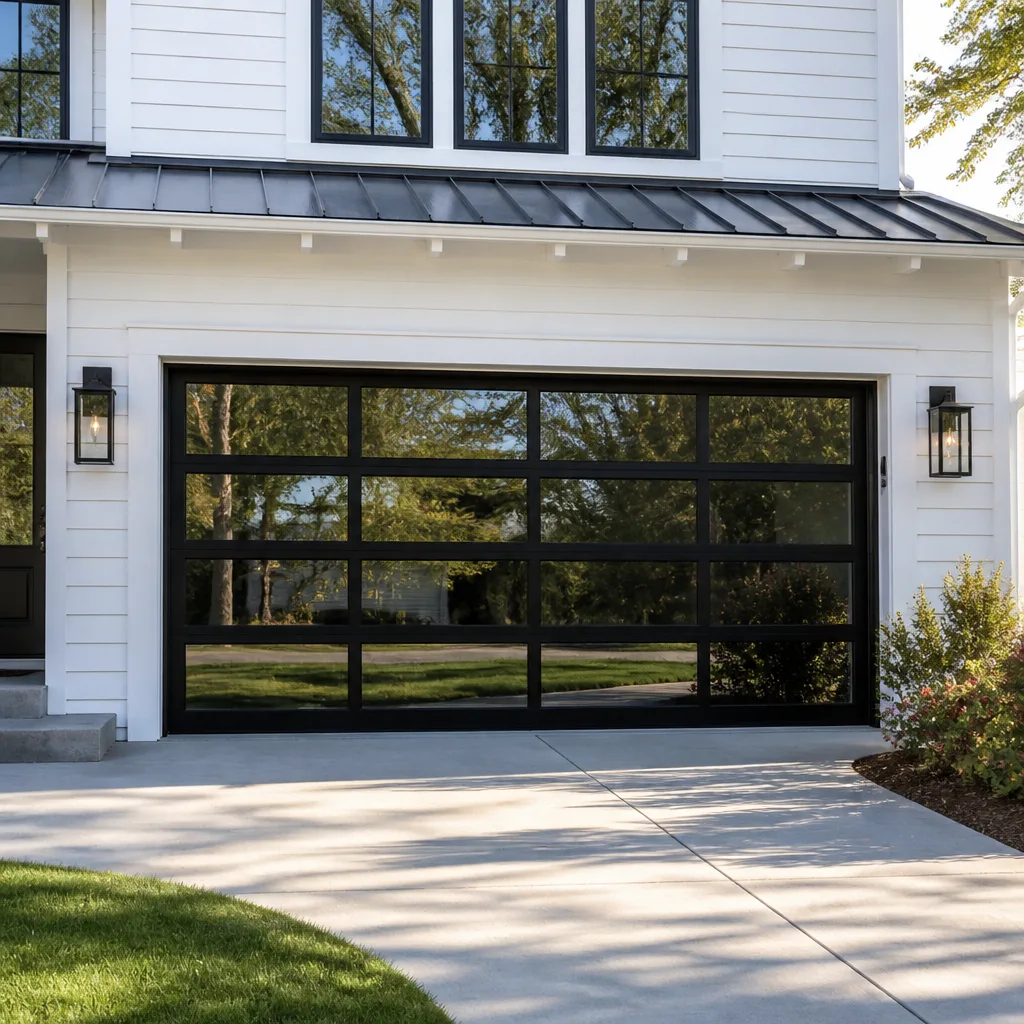 Full-view glass
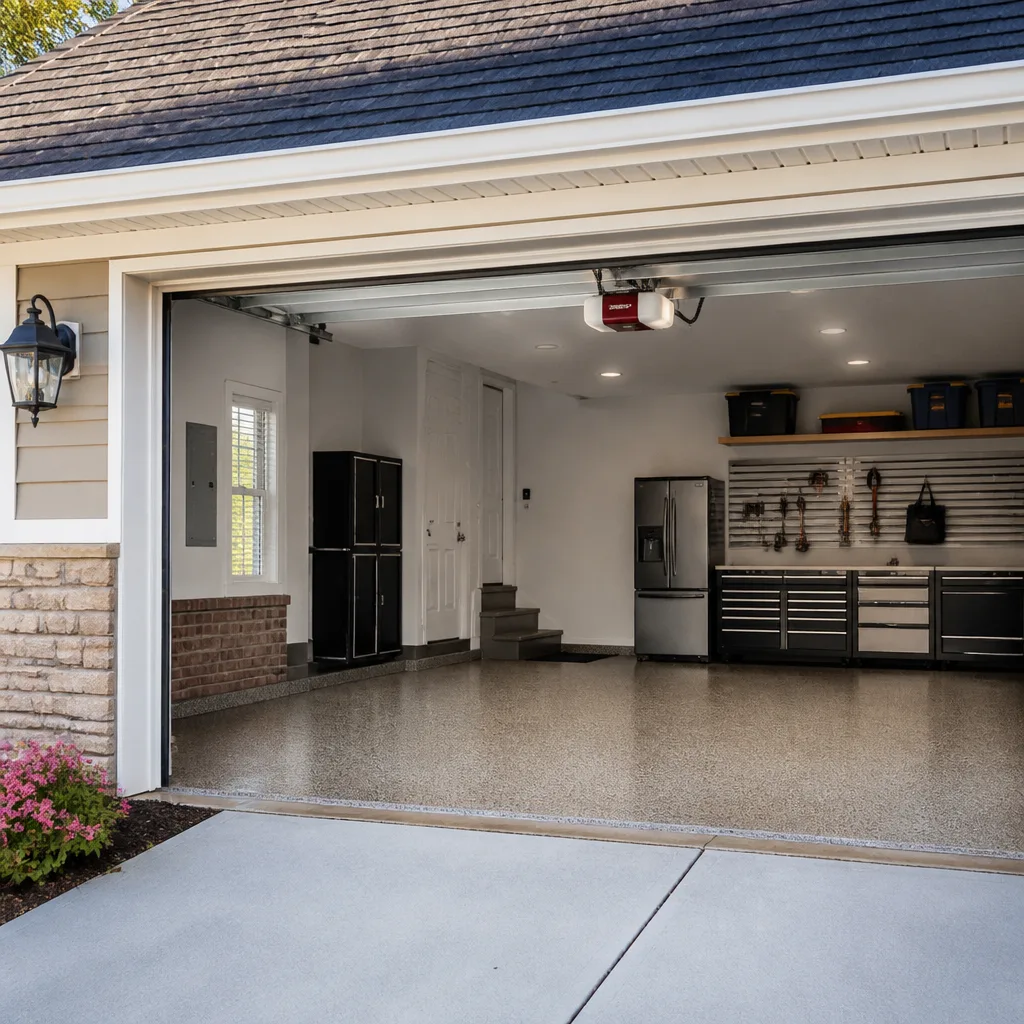 LiftMaster openers
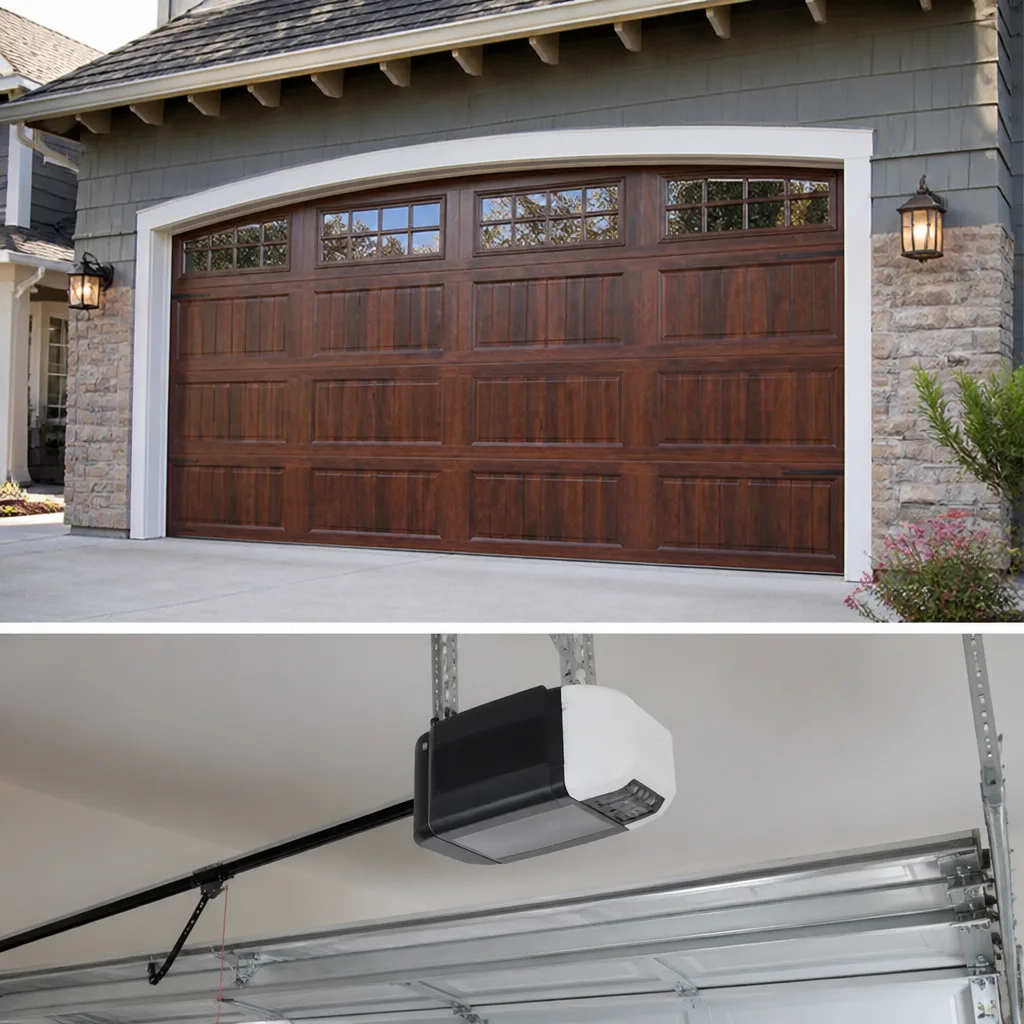 Chamberlain openers
Full 25-point door and opener safety check with every visit - springs, cables, rollers, tracks, and your LiftMaster or Chamberlain opener included
You get a price before we start. It does not change when the pro arrives.
Get your free estimateSeasonal Garage Door Care for Tacoma: Year-Round Homeowner’s Guide
Most garage door advice assumes four tidy seasons. Tacoma doesn’t work that way. We get a long wet stretch from roughly October into April, a short dry summer, and two transition windows in between where the temperature swings do more mechanical damage than any single storm. That’s why the busiest weeks for repair calls here land in November and February: nothing dramatic happens, but problems that quietly built up for months finally hit a tipping point when the cold settles in or the door has been soaked for weeks straight. This guide walks you through care timed to Tacoma’s real intervals, not the calendar on a greeting card.
Quick Answer
Seasonal garage door care in Tacoma comes down to four checkpoints: prep and lubricate in September and October before the wet season, monitor cold-weather strain through the winter, inspect for rust and rot in April and May after months of moisture, and handle dents and surface corrosion in the dry summer. The work is simple and mostly visual. The payoff is catching a $200 problem before it becomes a $2,000 one.
Styles & brands we work with
- Raised-panel steel
- Carriage house
- Modern flush
- Full-view glass
- LiftMaster openers
- Chamberlain openers
Table of Contents
- Why Tacoma’s Seasons Aren’t What You Think
- Pre-Wet-Season Prep: September and October
- Mid-Winter Monitoring: Slow Door vs. Failing Door
- Post-Rainy-Season Inspection: April and May
- Summer Door Care: UV, Dents, and Corrosion
- The Weatherstripping Mistake Almost Everyone Makes
- A Simple Monthly Rhythm for Tacoma Homeowners
- Common Mistakes to Avoid
Why Tacoma’s Seasons Aren’t What You Think
Tacoma sits in a climate that’s mild on paper and hard on hardware in practice. Our winters rarely drop into the hard-freeze territory that cracks concrete in the Midwest, and our summers rarely push past the point where asphalt softens. What we do have is moisture, and a lot of it, delivered over a long stretch rather than in dramatic bursts. That changes what breaks and when.
A garage door in a colder, drier climate fails from thermal shock and ice. A garage door in Tacoma fails from sustained damp and temperature drift. Steel panels hold water against seals. Wood frames stay wet for weeks. Lubricant washes or thins out gradually instead of in one freeze. The damage is slow, which is exactly why it’s easy to ignore until the door stops moving or starts making a sound that gets your attention from inside the house.
The transition windows matter more than the seasons themselves. When the temperature moves from the low 40s into the 30s and back over a few weeks, metal contracts and expands repeatedly. Springs, hinges, and rollers take that cycling constantly. A torsion spring that’s already near the end of its service life often gives out in one of those windows, not in the middle of a hard freeze. If you want to understand what spring failure looks like and why we treat it as a safety issue rather than a DIY project, our Garage Door Repair Tacoma Pros page covers the basics.
So think of the year as four work periods: one to prepare before the wet season, one to watch through it, one to assess afterward, and one to repair in the dry months. That’s the frame this whole guide uses.
Pre-Wet-Season Prep: September and October
This is the most valuable window of the year, and the one most Tacoma homeowners skip. Once the rain settles in for the long stretch, anything you didn’t seal or lubricate in the fall will spend five months getting worse. The prep work takes an afternoon and costs almost nothing in materials.
Here’s the sequence we recommend, in order:
- Lubricate the moving metal. Hinges, rollers, the torsion bar bearings, and the tracks where rollers ride all need a proper garage door lubricant, not general-purpose oil or WD-40. Use a lubricant that stays put rather than one that thins and runs. This matters more here than in dry climates because moisture strips light oils faster.
- Check the weather seal along the bottom. Close the door and look for light or daylight under the bottom seal. If you can see it, water can get in, and it will. Replace a compressed or torn bottom seal before the wet season, not after.
- Inspect the door frame and jambs. Wood frames around the opening take the brunt of wind-driven rain. Look for soft spots, peeling paint, and any caulk line that’s cracked or pulled away. Re-caulk and repaint bare spots before the moisture has five months to work on them.
- Test the balance of the door. Disconnect the opener and lift the door halfway by hand. It should stay roughly where you put it. If it drops or rises on its own, the springs are out of balance and will strain the opener all winter.
- Test the safety reverse. Put a piece of wood or a roll of paper towels in the door’s path and close it. The door should reverse on contact. This is the one test you should do monthly, not just in fall.
- Listen while it moves. Run the door up and down a few times and pay attention. Grinding, squealing, or a rhythmic thump points to a roller, hinge, or track problem you can fix now rather than in February.
If you have a LiftMaster or Chamberlain opener, the fall is also a good time to test the wall control and the safety sensors by hand. Sensors that get bumped or covered with debris are one of the most common reasons a door “stops working” in the wet months, and it’s usually a two-minute fix once someone checks it.
Mid-Winter Monitoring: Slow Door vs. Failing Door
Cold weather makes garage doors sluggish. The metal is stiffer, the lubricant is thicker, and the springs are working against a little more resistance. That’s normal. The trick is telling a door that’s just cold from a door that’s genuinely in trouble, because one needs patience and the other needs a technician.
A door that’s simply cold will move more slowly, sound slightly heavier, and settle into its normal rhythm once it’s been cycled a couple of times. It won’t stop partway. It won’t reverse for no reason. It won’t make a bang or a snap. Those are the signs of a failing system, and they should be treated as urgent.
Watch for these in the winter months:
- A loud bang from the door. That’s usually a torsion spring snapping. Stop using the door and call for service. Springs are under extreme tension and are not a DIY repair under any circumstances.
- The door reverses before it reaches the floor. This could be a safety sensor issue, a misaligned track, or a failing opener. It’s a security problem because the door isn’t sealing the house.
- The opener runs but the door doesn’t move. A stripped gear, a broken spring, or a disconnected trolley. Don’t keep running the opener, since it can burn out the motor.
- The door only opens a foot and stops. Usually a sensor issue or a travel limit setting that’s drifted. Worth a call if it repeats.
- The door is harder to lift by hand than it was in fall. This points to spring fatigue, which is the slow, invisible wear that leads to a snap.
If any of those show up and the door won’t move or the car is trapped inside, that’s the situation our garage door repair service is set up for. Same-day service is available for urgent failures, and our technicians have up to 11 years of experience with the systems most commonly installed in Tacoma homes.
Post-Rainy-Season Inspection: April and May
By the time the wet season lets up, the door has been through months of moisture. This is the assessment window. Walk around the door and opening with a flashlight and look for the things moisture does over time.
Check these in order:
- Rust on steel doors. Look along the bottom edge of each panel, around hinges, and behind the bottom seal. Surface rust is normal after a wet season. Deep rust with flaking means the door is losing structural integrity one panel at a time.
- Wood rot on frames and jambs. Press a screwdriver into the wood in a few spots around the opening. If it sinks easily or the wood feels soft and crumbly, that section has rotted and needs repair. This is more common in older Tacoma homes where the original wood trim has been through many wet seasons.
- Seal compression loss. The bottom seal takes a set after months of being pressed against the floor. It loses flexibility and stops forming a tight barrier. A seal that once kept out water but now lets it in is the most common thing we find in April and May.
- Track alignment. Moisture can swell wood frames and push the tracks slightly out of true. Look down each track from the open position and check that it’s straight. A slightly bent track wears rollers and can stop the door.
- Panel and hardware condition. Look for loose bolts, worn hinge pins, and any panel that’s been bumped or dented. Dents collect water, and water becomes rust.
- Opener hardware and wiring. The safety sensors, wall control, and any exposed low-voltage wiring should be inspected for water intrusion. A Genie or Craftsman opener with a soaked sensor will act like it’s failing when the problem is just moisture in the housing.
If the inspection turns up more than you want to handle, or if you find a broken spring, a bent track, or a rotted frame section, that’s when a trained technician saves you time and money. Our garage door opener repair service handles opener-specific issues, and we also cover the door and its hardware in the same visit.
Summer Door Care: UV, Dents, and Corrosion
Summer is the dry window, and it’s the best time of year to make repairs that will hold. That’s the opposite of how most homeowners think about it. They put off garage door work until something breaks in winter. By then you’re paying for emergency service and waiting on parts. In summer, you can plan.
UV exposure does more to a painted steel door than most people realize. The south and west facing sides of the door (and the door itself, if it faces those directions) take direct sun for hours a day. Paint fades, chalky surfaces develop, and small scratches become rust starting points. A Clopay steel door that’s been on the house through many summers will typically show thinning paint along panel edges and around hardware, even if the paint elsewhere looks fine.
Here’s the summer maintenance sequence:
- Wash the door with a hose and mild soap. Get the pollen, dust, and spider residue off. It’s a two-hour job that makes the door last longer and look better.
- Inspect paint and touch up scratches. Anywhere the steel is exposed is a rust starting point. Touch up with matching paint and let it dry fully before closing the door.
- Address dents while it’s dry. Small dents can often be filled and painted, and summer weather is right for it. A dent left alone through the wet season collects water and starts rusting from the inside out.
- Re-lubricate the moving parts. The lubricant you applied in fall has had a wet season to wash and wear. A light refresh in summer keeps it working through the next wet stretch.
- Test the balance and safety reverse again. Same tests as fall. This is a good checkpoint to verify nothing shifted through the wet season.
If your door is showing multiple dents, deep rust, or paint that’s failing across the whole surface, we’d want to look at it before recommending repair or replacement. Our garage door installation process is a scheduled job, not a same-day one, so summer is the right season to measure and plan. We’ll give you a free measure and a written price, and you can decide from there.
The Weatherstripping Mistake Almost Everyone Makes
Tacoma’s winters are mild, and that’s the trap. Because we rarely see hard freezes or deep snow, weatherstripping doesn’t get the obvious signals that something is wrong. In colder climates, a failed seal shows up as a frozen door or a visible draft. Here, a failed seal shows up as a slightly higher heating bill, occasional dampness, and a door that just doesn’t quite close as tight as it used to. It’s easy to live with for years without noticing.
Here’s what a failing seal actually costs you. Cold air and moisture get into the garage, which is often the coldest room in the house. The door between garage and living space works harder, and any water that gets in has months to sit against the door’s bottom edge and the floor. That’s how rust starts on the bottom panel and how the bottom of a wood door rots from the inside out.
Check your seal every fall by closing the door on a piece of paper and pulling it out. If it slides out with no resistance, the seal isn’t forming a barrier. If it’s torn, compressed flat, or has visible gaps, replace it. The job is inexpensive and quick, and it’s the single highest-value piece of maintenance for the wet season. For a full breakdown of what each service typically involves, our garage door repair service page is the place to start.
The purpose of weatherstripping isn’t just comfort. It’s keeping the door’s most vulnerable parts (the bottom panel, the floor seal, and the frame) dry through the months they’re most exposed.
A Simple Monthly Rhythm for Tacoma Homeowners
If the seasonal windows feel like too much to remember, a simple monthly routine covers almost everything. Fifteen minutes once a month, plus a deeper check in fall and spring, is all most Tacoma homes need to stay ahead of failures.
Here’s a routine we recommend:
- Every month: Test the safety reverse with a piece of wood. Look at the door from a few feet back for anything off. Listen while it moves.
- Every month: Clear debris from around the bottom seal and from the safety sensor eyes (they live near the floor and get dusty).
- September: Full fall prep as described above. Lubricate, seal, caulk, balance test.
- November through February: Watch for the failing-door signs. Call if you see any.
- April or May: Post-rainy-season inspection. Rust, rot, seal compression, track alignment.
- July or August: Summer maintenance pass. Wash, touch up paint, address dents, re-lubricate.
That’s the whole plan. It’s not glamorous, but it’s the difference between a door that lasts decades and one that needs major repairs well before it should. For more on what to do when a spring does fail, that’s a separate topic and a serious one; our garage door repair service covers spring replacement, and it’s not something to attempt on your own.
Common Mistakes to Avoid
- Skipping fall prep because the door “looks fine.” A door that looks fine in October can be a door that costs you real money by February. The prep work is cheap and the diagnosis is what you’re really buying.
- Using WD-40 or household oil on hinges and tracks. Those products thin, run, and attract dirt. They don’t stay where you put them through a wet season. Use a proper garage door lubricant.
- Ignoring a slightly dragging door. A door that drags in cold weather is a door under strain. The opener, springs, and track all wear faster when you keep running a stiff door. Fix the cause, not the symptom.
- Skipping weatherstripping because “our winters are mild.” Mild but wet still means months of moisture against the seal. A compressed seal in Tacoma is a slow leak that costs you year after year.
- Attempting to adjust or replace springs yourself. Torsion springs are under extreme tension. A wrong move can cause serious injury. This is the one part of the garage door system where we tell homeowners to stop and call a trained technician.
- Pretending summer is off-season. Summer is when you can address dents, paint, and rust before the wet season returns. Waiting until winter means repairs happen at the worst possible time.
- Running the opener after a spring snap. The opener will try to do the spring’s job and can burn out its motor. Call for service first.
See the difference
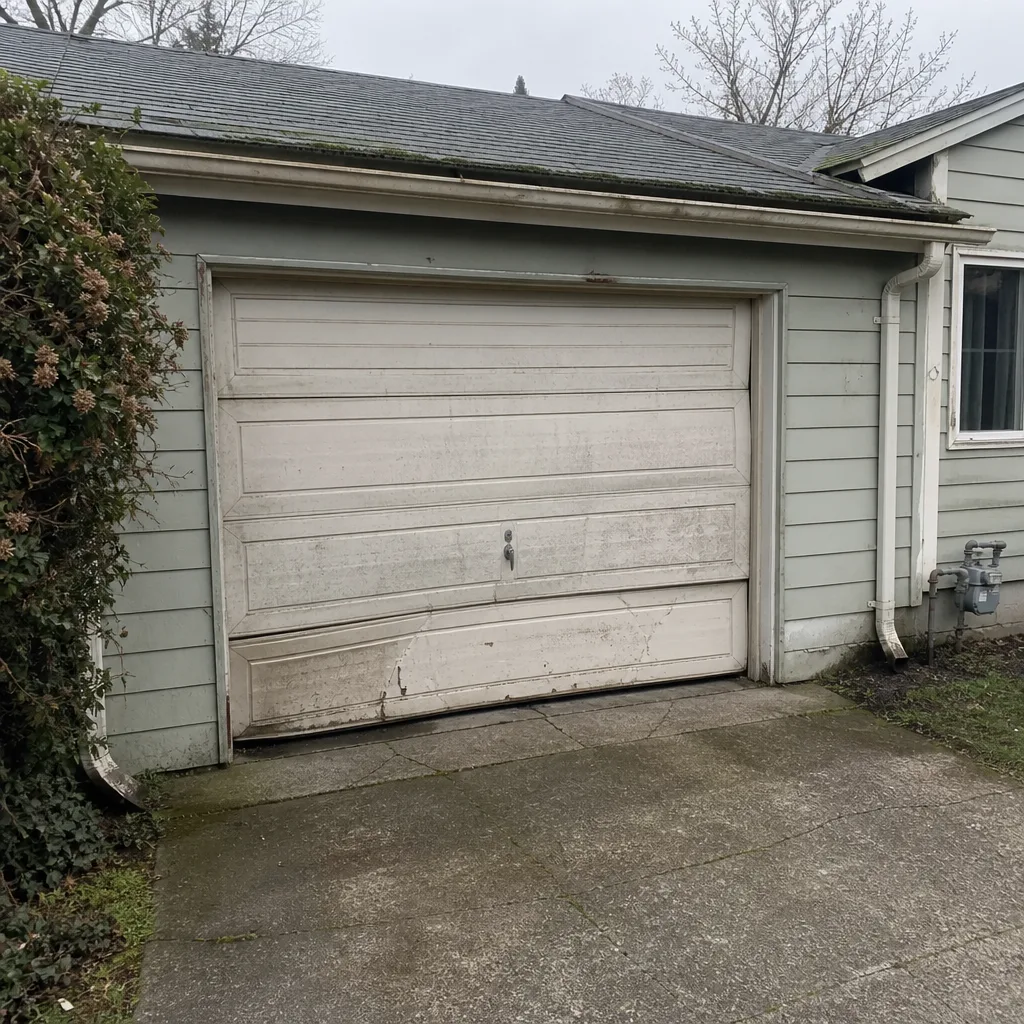 Before
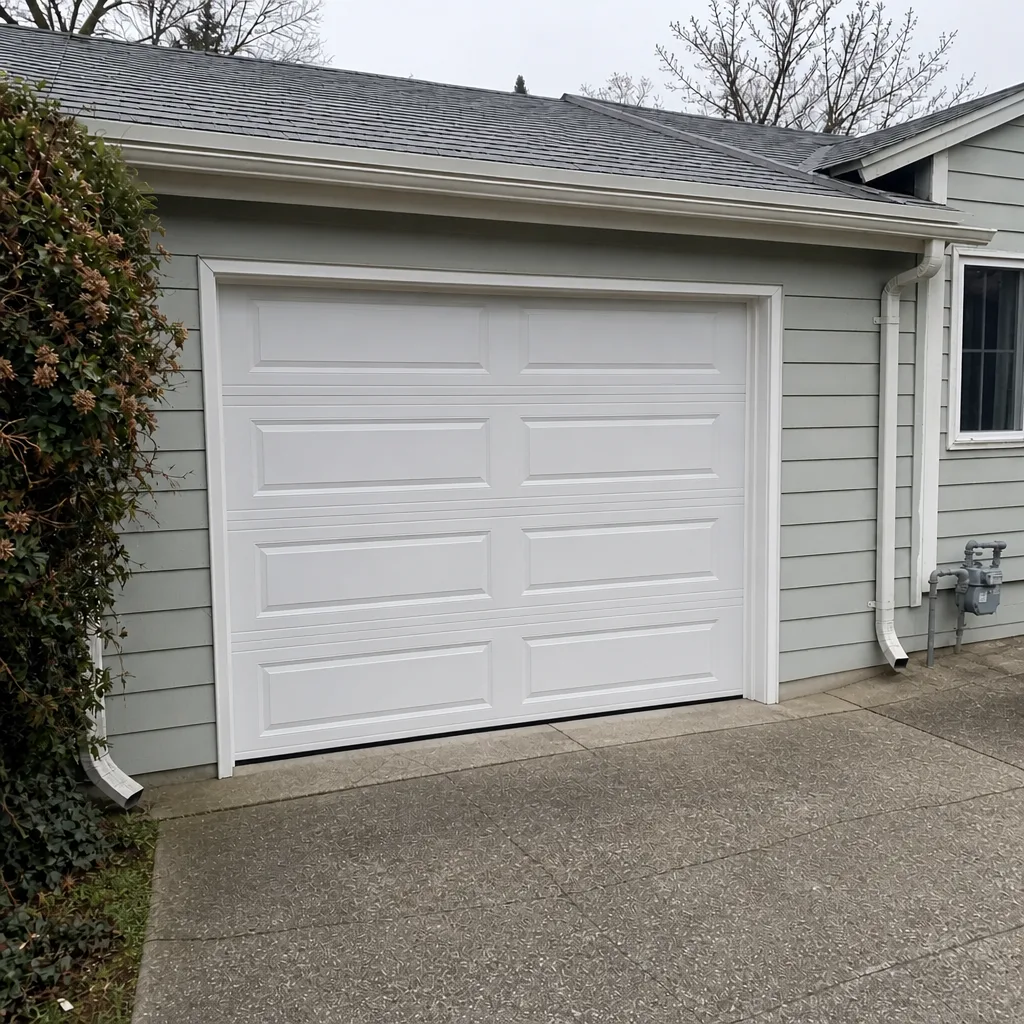 After
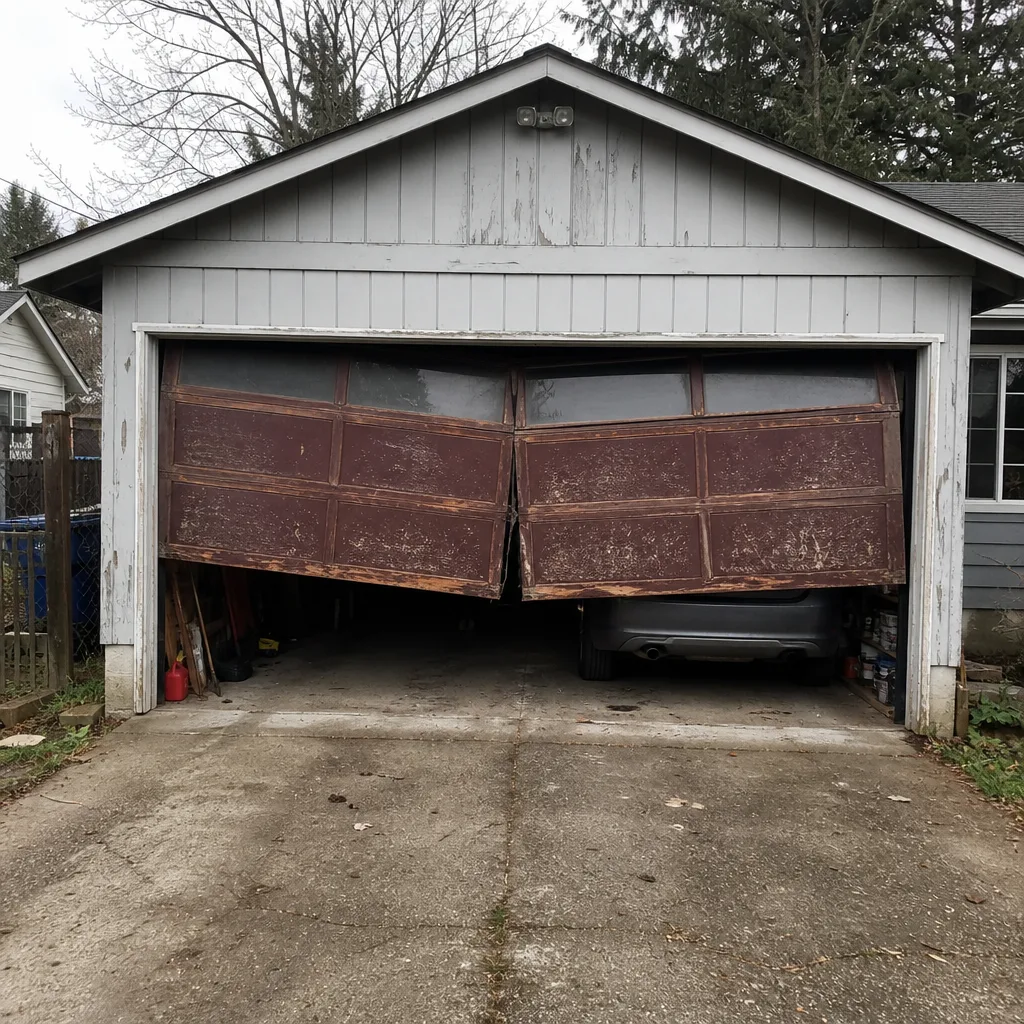 Before
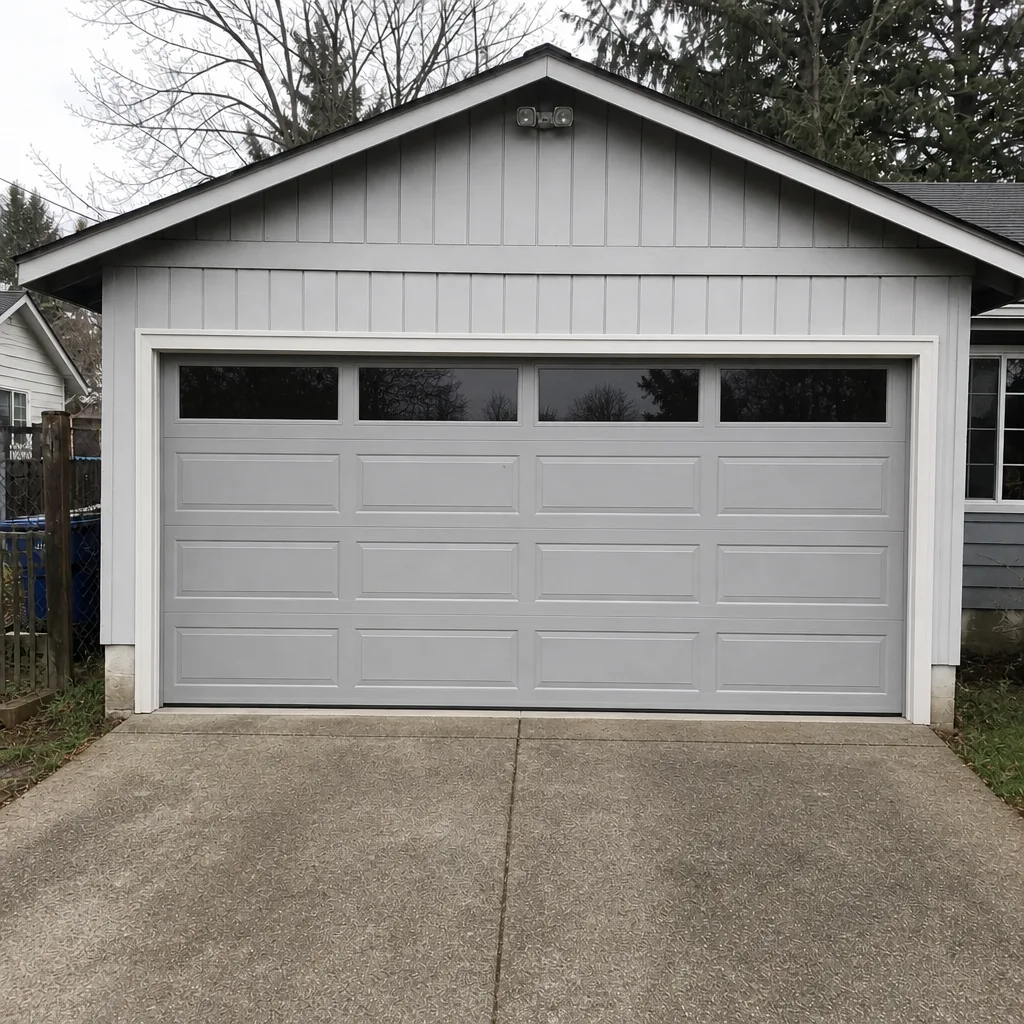 After
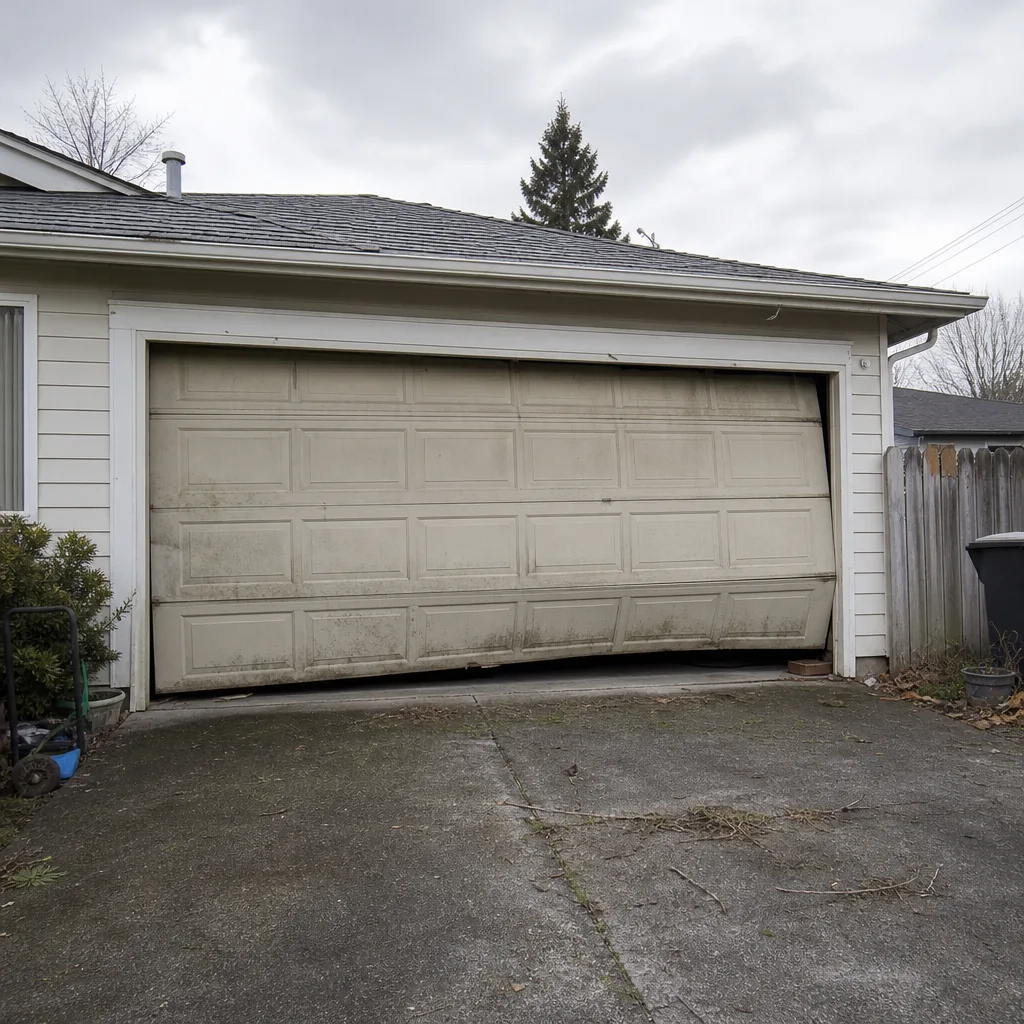 Before
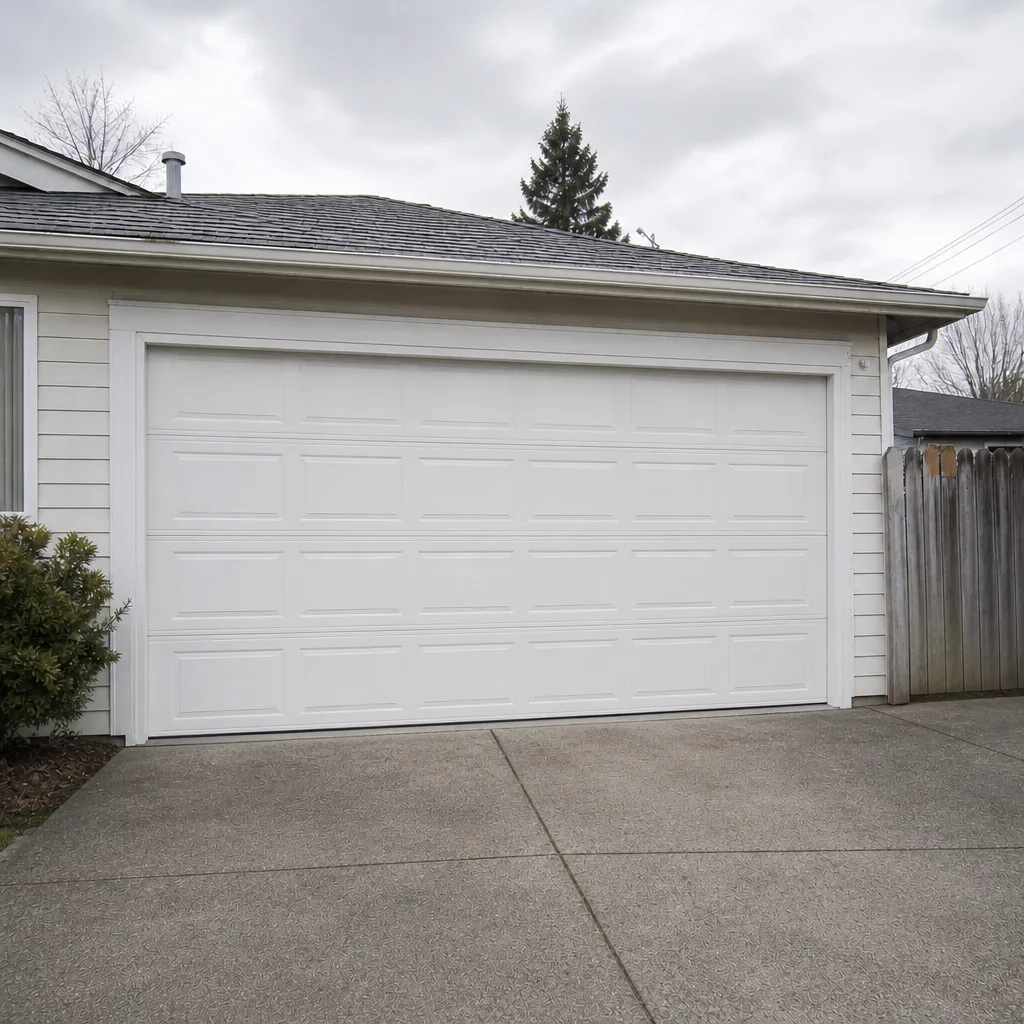 After
When to Call a Professional
Some jobs need a technician, and it’s worth knowing which ones before you need one. Call us if you see a broken spring (visible gap in the coil, or a loud bang followed by a door that won’t move), a door that’s off its track, a bent track section that won’t straighten, a rotted frame, a failing opener motor, or any door that reverses or stops unpredictably. Those are all safety and security issues. We can also inspect a door you’re unsure about and tell you whether repair or replacement is the right call. Garage Door Repair Tacoma Pros offers free estimates in Tacoma. Call (866) 937-8952. We answer 24/7. Fast dispatch from 7am to 7pm, Sunday through Friday.
Frequently Asked Questions
Twice a year is the right rhythm here: once in September before the wet season, and once in summer after it. Tacoma’s long wet stretch means lubricant gets more exposure than in a dry climate, so the second application matters. If your door sounds dry or squeaks when it opens, add a third application and check the hinges and rollers.
Those are the temperature transition windows when small problems hit a tipping point. November is when the door starts working against colder metal and heavier lubricant, and any wear that built up over summer shows. February is when months of damp have had time to soak into seals, wood, and hardware. Neither month brings dramatic weather; the failures are the result of slow wear reaching its limit.
Yes, but the damage is from moisture, not cold. Our winters don’t freeze hard enough to crack doors the way colder climates do, but months of rain against seals, frames, and hardware causes rust, rot, and seal compression that shows up in spring. The mildness is the trap, because it keeps people from noticing the slow damage.
No. Torsion springs are under extreme tension and a wrong move can cause serious injury. It’s the single most dangerous repair on a garage door, and it requires proper tools and training. Call a technician. Our technicians have up to 11 years of experience with spring repair, and we treat it as a safety repair, not a weekend project.
Inspect for rust along the bottom edges of the panels, wood rot on the frame and jambs, compressed or torn weather seals, and out-of-true tracks. Those are the four things Tacoma moisture affects most. Also test the balance and the safety reverse, since the wet season can shift both.
Surface rust is often repair: sand, treat, and repaint. Deep rust with flaking or holes in a panel means the steel has lost structural integrity, and replacement of that panel or the whole door may be the better call. We check both and tell you honestly which one we’d recommend. Repair first, replace only when necessary.
The Bottom Line
Tacoma garage door care isn’t about four equal seasons; it’s about four work windows. Prep in September and October before the wet season. Monitor in winter and treat a straining door as a warning. Inspect in April and May for rust, rot, and seal compression. Repair in summer while the weather supports it. Add a monthly safety reverse test and a semiannual lubrication, and you’ll catch most problems while they’re still small. When something does go wrong, especially a spring, call a professional rather than testing your luck. The repair is usually cheaper than the aftermath of a DIY attempt.
To book a spring repair, an opener diagnosis, or a full door replacement estimate, call (866) 937-8952. We answer 24/7. Fast dispatch from 7am to 7pm, Sunday through Friday. Estimates are free, the quote is agreed before any work starts, and the written estimate sets the final price.
Written by the team at Garage Door Repair Tacoma Pros.