
Last updated November 23, 2026
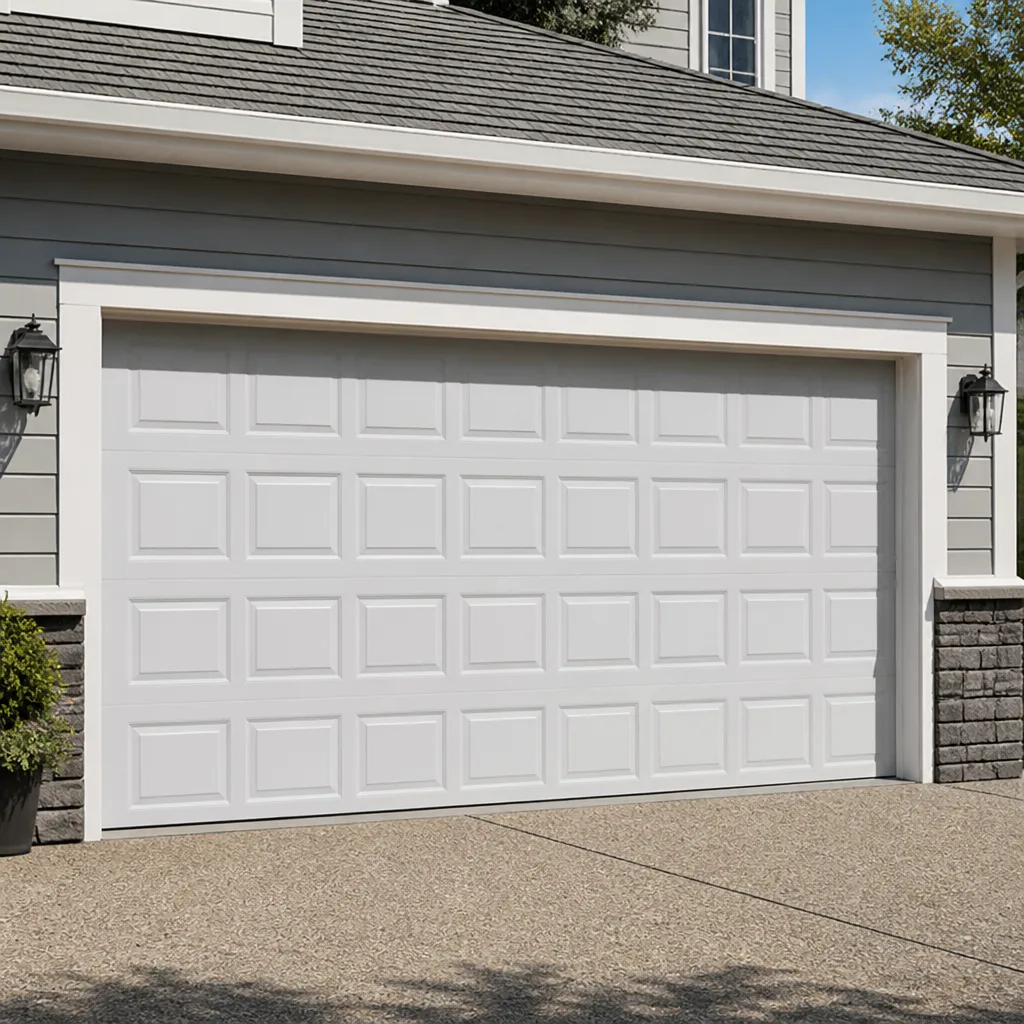 Raised-panel steel
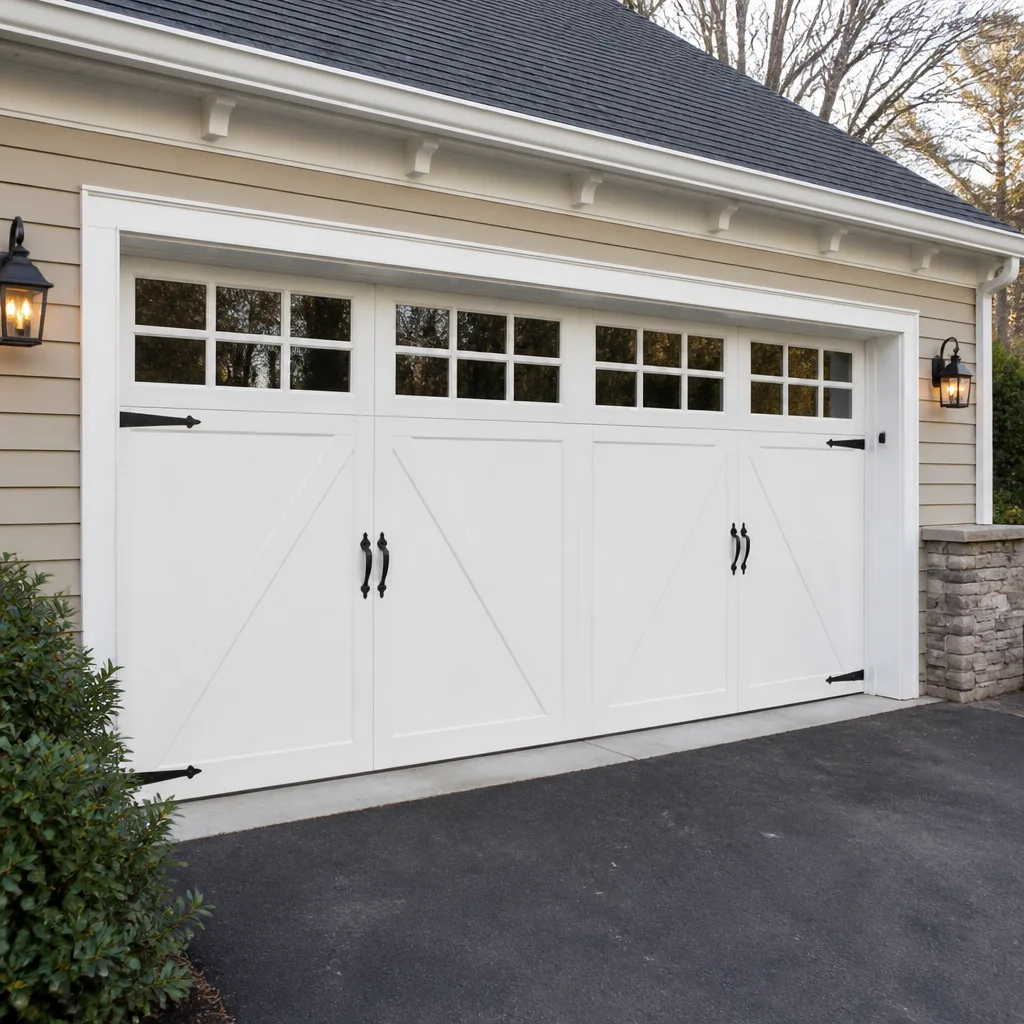 Carriage house
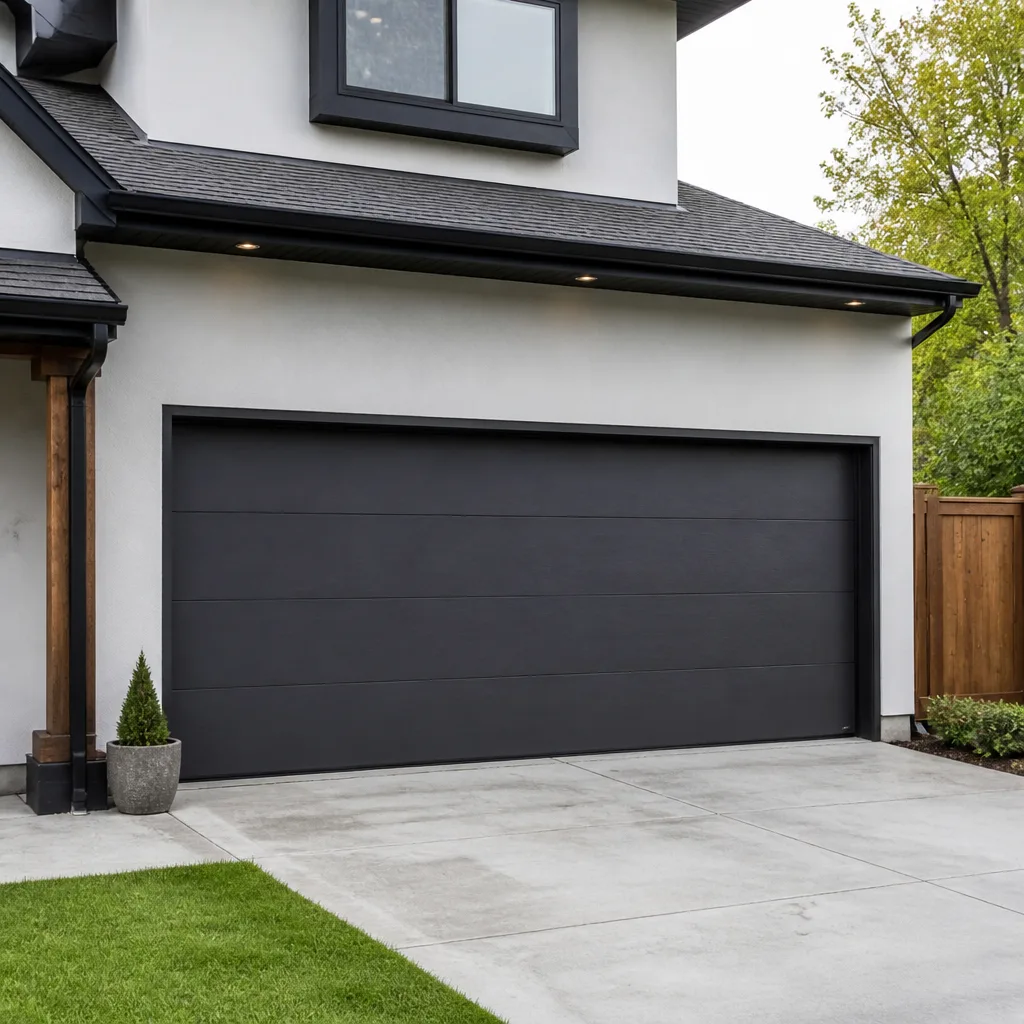 Modern flush
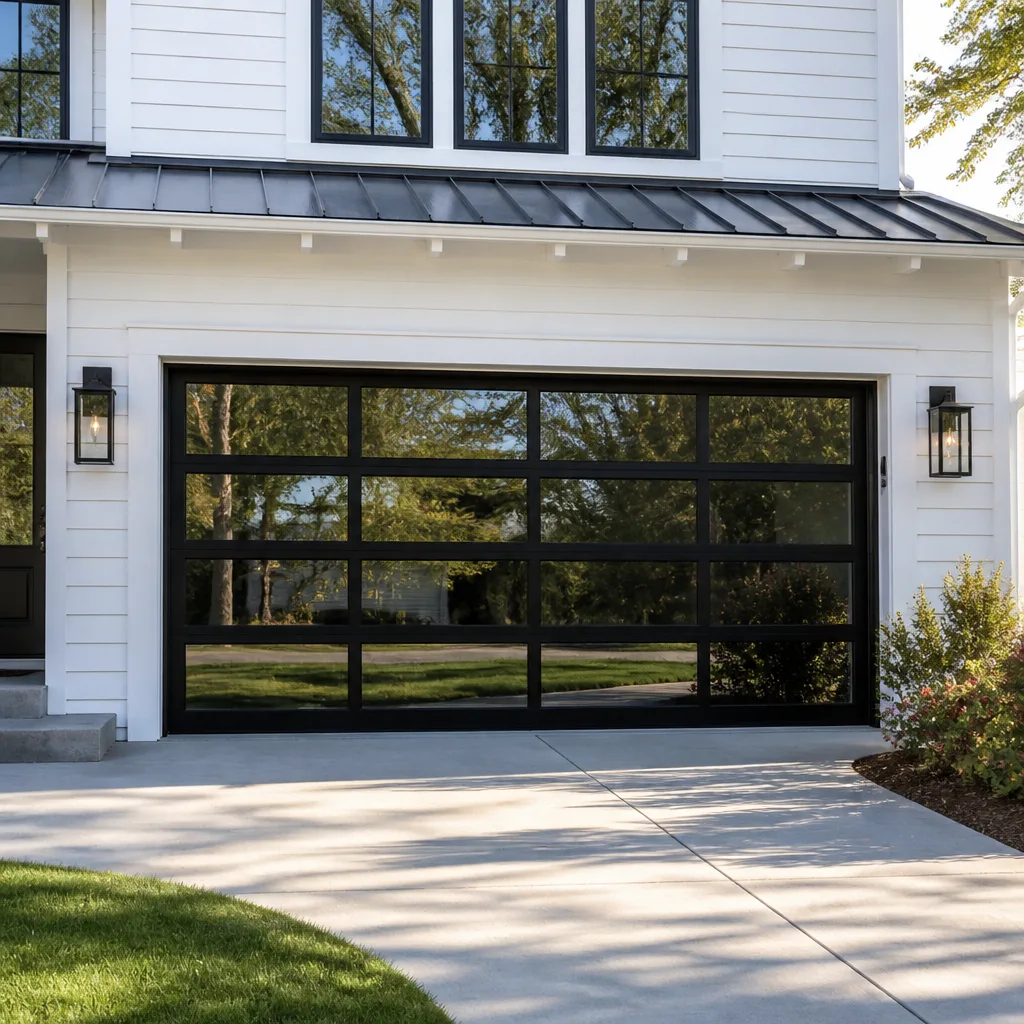 Full-view glass
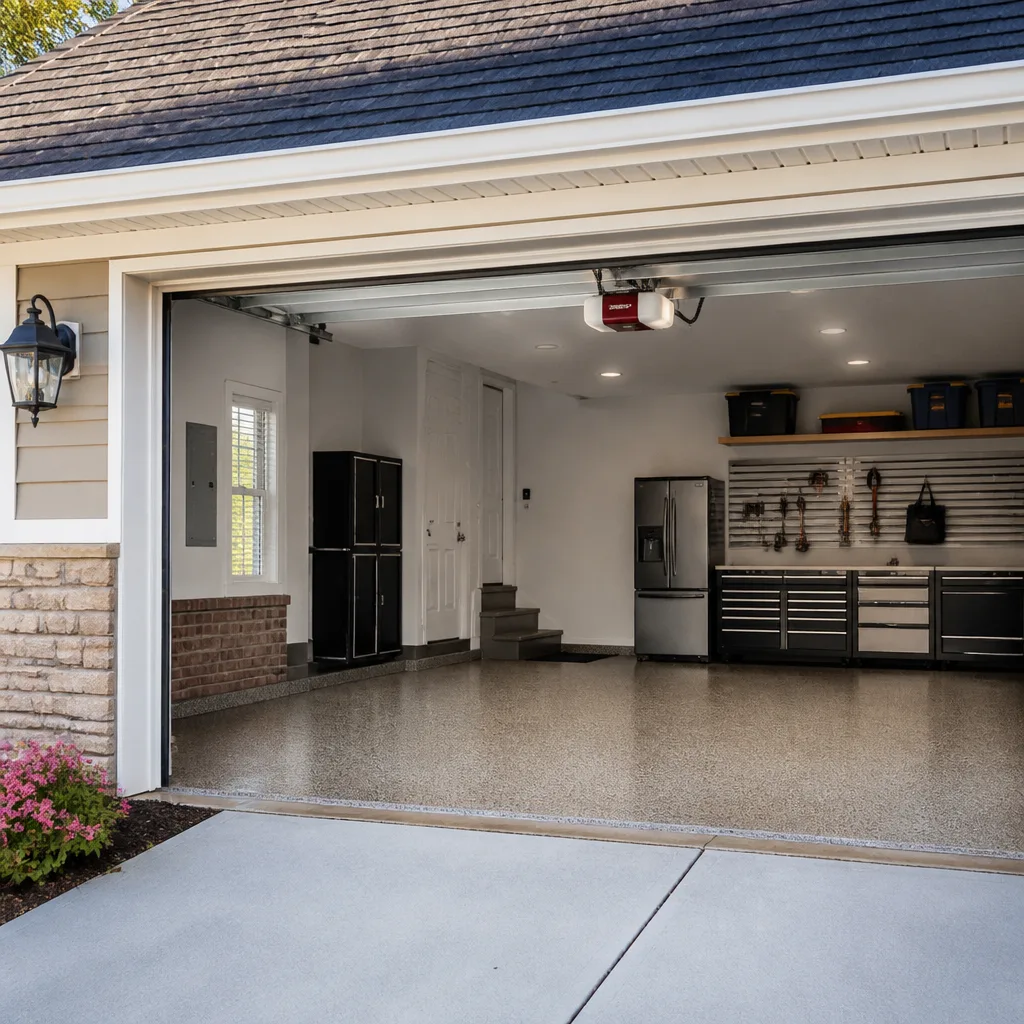 LiftMaster openers
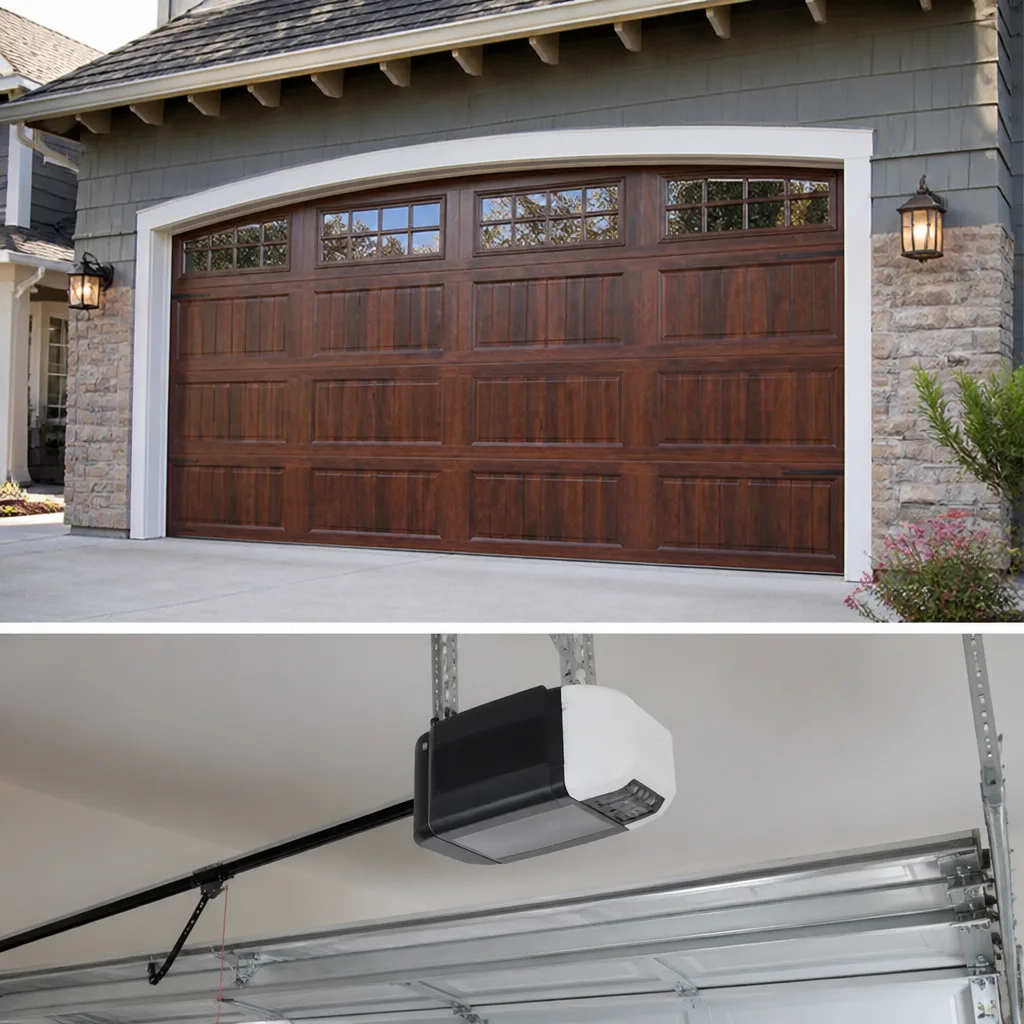 Chamberlain openers
Full 25-point door and opener safety check with every visit - springs, cables, rollers, tracks, and your LiftMaster or Chamberlain opener included
You get a price before we start. It does not change when the pro arrives.
Get your free estimateHow to Hire a Garage Door Contractor in Tacoma: A Step-by-Step Guide
A quote without a line-item parts breakdown isn’t a quote. It’s a starting point for a higher number once the technician is already in your driveway. That bait-and-switch shows up in garage door service more than in almost any other home trade, because most homeowners have never hired for this work before and have nothing to compare against. The springs, cables, and torsion hardware that break are invisible until they fail, and the person standing in front of you controls every number on the page.
This guide arms you with the questions to ask before you book anyone in Tacoma. You’ll learn how to read an estimate line by line, how to check insurance for spring work, why parts sourcing speed decides how long your door stays stuck, and which red flags should end the conversation. By the end, you’ll be able to compare three bids and know which one is honest.
Quick Answer
Hire a garage door contractor in Tacoma by checking four things before you book: current liability insurance that specifically covers torsion spring work, a written estimate that separates labor from parts (including a service-call or trip fee if one applies), a technician who has worked on your brand of door or opener, and a stated plan for sourcing the parts your door actually needs. Ask for those four answers by phone or email before anyone drives out. A contractor who answers all four clearly is worth booking; one who dodges any of them isn’t.
Styles & brands we work with
- Raised-panel steel
- Carriage house
- Modern flush
- Full-view glass
- LiftMaster openers
- Chamberlain openers
Table of Contents
- The Three License and Insurance Questions to Ask Before Booking
- How to Read a Garage Door Estimate Line by Line
- Why Same-Day Parts Availability Matters in Tacoma
- Red Flags Specific to Garage Door Work
- How to Verify Your Contractor Knows Your Brand
- Repair or Replace? How to Tell After a Diagnosis
- Building an Emergency Plan Before the Door Fails
- Spring Work and Safety: What a Real Expert Tells You
The Three License and Insurance Questions to Ask Before Booking
Most homeowners ask “how much” and stop there. That’s backwards. In a trade where a torsion spring holds hundreds of pounds of stored tension inches from where a technician stands, the coverage question comes before the price. Insurance is what stands between you and a claim if a spring lets go and someone gets hurt on your property.
Ask these three questions in order, in your first phone call or email:
- “Are you licensed to do garage door work in Washington, and can you give me your contractor registration number?” Washington registers contractors through the state Department of Labor & Industries, so the contractor should be able to point you to a valid registration. Ask what class of work it covers and confirm it includes garage door installation and repair.
- “Do you carry general liability insurance, and does it cover torsion spring and high-tension cable work specifically?” General liability is the floor. Spring and cable work carries its own injury risk, and you want to hear a straight answer rather than a recital of a general policy.
- “Can you send me a certificate of insurance before the appointment?” A real certificate comes from the insurer, not from the contractor’s own letterhead, and it names the policyholder and the coverage limits. If they can’t or won’t send one, stop there.
Hesitation tells you as much as the answer. A contractor who says “we’re fully covered” but can’t point to a certificate, or who pushes back on the registration question, is telling you something useful. On a job this physical, you don’t want to find out about a coverage gap after an injury. Ask gently, once, and watch how they respond. The ones who work this every day carry the paperwork because they’re asked for it constantly.
How to Read a Garage Door Estimate Line by Line
A garage door estimate should read like a small bill of materials. When you can see labor, parts, and any trip fee as separate lines, you can compare two bids honestly. When everything sits behind a single lump sum, the only thing you can compare is the total, and you have no idea what’s driving it. The written estimate sets the final price, and it should be agreed before any work starts.
Here’s what each line should look like on a properly built estimate:
- Service call or trip charge (if applied). Some contractors itemize a visit fee and others fold it into the job. Either is fine as long as it’s disclosed up front. What you don’t want is a trip charge you discover after the technician is already at your Tacoma home.
- Parts, itemized by name and quantity. For spring work this means the spring count, the wire gauge, the inside diameter, and the length. For opener work it means the model number of any board or gear assembly. A parts line that just says “springs” or “opener parts” isn’t a parts line.
- Labor, shown separately from parts. Look for whether the labor line is a flat rate for the job or an hourly figure with an estimate attached. Flat-rate labor is easier to compare and harder to inflate once the technician is on site.
- Any disposal or haul-away charge. Removing an old door carries a cost. It should be its own line, not buried inside labor.
- Total, with wording that locks it in. The estimate should say whether the number stands as long as the diagnosis is correct, and what would change it.
To compare bids, put them side by side by parts, labor, and fees. If one number is far below the others, look at what’s missing rather than assuming it’s a deal. Short a spring, short a cable, short a haul-away line. When you’re ready to schedule, our garage door repair estimates spell out every line before work begins, so you’re comparing like with like.
Why Same-Day Parts Availability Matters in Tacoma
Garage door springs aren’t universal. A spring is sized to your door’s weight, height, and the drum it wraps around, which means the wire gauge, inside diameter, and length all have to match. A contractor who doesn’t stock common sizes will measure your door, order the spring, and come back in a few days. If your car is trapped in the garage, a few days is a long time.
Part of that problem is Tacoma itself. The city has a lot of older homes with garages that have been reconfigured or fitted with doors of different ages, and that mix pushes spring sizes all over the place. In neighborhoods like North End and Proctor, where houses date to the early twentieth century, you’re more likely to see a garage opened up for a modern door, which means the spring setup often doesn’t match the door’s original specification. A contractor who carries a wide range of common springs and cables can often finish the job the same day. One who only orders in will leave you waiting.
Here’s how to verify availability before you book:
- Ask directly: “Do you stock common torsion springs and cables, or do you order each job?”
- Ask what happens if the spring on your door isn’t one they carry. Do they measure and quote replacement from an order, and how long does that take?
- Ask whether they can tell you over the phone, from a photo of your door and a spring measurement, whether the part is a stock item.
Same-day service is a real thing when the parts are on hand, and we treat emergency garage door service as part of the job, not an upsell. If you want to know how the process works for a stuck door, our page on Garage Door Repair Tacoma Pros walks through diagnosis and dispatch. The point is: ask about parts sourcing up front, not after the technician has already been to your house and gone back to order.
Red Flags Specific to Garage Door Work
The garage door trade has a few tells that stand out from the usual contractor warnings. Watch for these:
- A spring quote over the phone without seeing the door. Springs are sized to the door. A contractor who quotes a torsion spring replacement without measuring the door, the spring, or at least getting a clear photo is guessing, and the number will change once they arrive.
- Only one spring quoted when two are visibly worn. Springs are usually replaced in matched pairs, because two springs of the same age wear at the same rate. Quoting one when the other is close behind is a setup for a second visit.
- Pressure to replace the whole door when a repair will do. A technician who can’t explain, in plain terms, why a repair won’t work is selling rather than diagnosing. Repair first, replace only when necessary is a rule you can hold them to.
- No brand on the estimate. If the estimate doesn’t name the door or opener brand, it’s harder to verify the parts are right. A solid estimate names what’s on your wall.
- Cash-only pricing with no written estimate. A written estimate protects both sides. If there’s no paper, the number can move.
- Door operated “to test it” while you’re standing in the path. A technician should never run a door with anyone under it. Ask them to complete the safety check before anyone stands in the opening.
- A quote that pushes a full opener replacement for a battery or a sensor issue. Some opener problems are solved with a battery in the remote, a realignment of the safety eye, or a reset. A technician who jumps straight to replacement without running the diagnostics is skipping a step.
None of these are about competence in isolation. Together, they tell you whether the person is diagnosing your door or selling you a package.
How to Verify Your Contractor Knows Your Brand
Garage door brands behave differently. A LiftMaster opener uses a different logic board layout than a Genie. Clopay, Amarr, Wayne Dalton, and Raynor doors have their own panel and hardware profiles. A technician who works across all of them can diagnose your system without treating it as unfamiliar territory. On the opener side, that means the major residential brands: LiftMaster, Chamberlain, Genie, and Craftsman. On the door side: Clopay, Amarr, Wayne Dalton, and Raynor.
Ask these questions before you book:
- “What brand of opener do you see most often, and how many have you serviced this year?”
- “What brand is my door?” A good technician will ask you for a photo of the door’s label or the model plate, and answer from there.
- “If my opener needs a new logic board, can you get the specific part for my model, or will you need to order it?”
- “If my door needs a panel or a spring, do you work with the original manufacturer’s parts?”
If your opener is a LiftMaster and the technician shrugs, that’s a yellow flag. A technician who names the model, the approximate vintage, and the part they’d expect to replace is telling you they’ve been there before. We cover eight of the most widely installed residential brands, so the technician arrives already fluent in what’s on your wall. For the full scope of opener work, see garage door opener repair. If you’re due for a full replacement, our garage door installation page covers sizing and brand options.
Repair or Replace? How to Tell After a Diagnosis
The repair-or-replace decision is the one most likely to be steered by a sales motive. You can protect yourself by asking the technician to walk through what’s failing and what a repair would buy you in time. A door with good panels, solid tracks, and a working opener is usually a repair candidate. A door with bent tracks, broken hinges, and panels that no longer align may not be worth the labor.
Here’s the honest test:
- Single point of failure: one spring, one cable, one roller. Repair.
- Opener issue with a healthy door: bad logic board, worn gear, dead remote. Repair.
- Multiple failures across the hardware: springs, cables, rollers, and hinges all worn. Weigh repair cost against replacement.
- Door panels physically damaged: dents, bent sections, cracked panels that no longer seal. Replacement starts to make sense.
- Door won’t balance even with fresh springs: something structural is wrong, and replacement may be the better call.
Ask for the estimate to say which of these applies. When the technician recommends a full replacement, ask what a repair would cost and how long it would last. You deserve a straight answer. We work on the principle of repair first, replace only when necessary, and we’re happy to have that conversation on a Tacoma driveway with both numbers in front of you.
Building an Emergency Plan Before the Door Fails
Most people hire a garage door contractor for the first time at the worst possible moment: the door won’t open, the car’s inside, and there’s somewhere to be. You can prevent most of that scramble by doing a little homework in advance. The phone call is faster and calmer when you already know who to ring.
Build the plan in a few simple steps:
- Note your door and opener brand. Photograph the label on the door and the model plate on the opener, and keep it in a note on your phone. You’ll be asked for it, and having it saves a round trip.
- Identify the emergency release. Every opener has a manual release, and every homeowner should know where it is and how it works. It’s the tool that lets you open the door by hand when the opener fails. Don’t use it while the door is under spring tension you don’t understand; ask a technician to show you the safe procedure.
- Save the number you’d call. Keep a garage door contractor’s number alongside your other emergency contacts. Ours is below.
- Check the door monthly. A slow visual check for worn rollers, loose hardware, and uneven lift catches problems before they strand you.
- Know the difference between repair and emergency. A noisy door that still works can usually be scheduled. A door that won’t close, won’t open, or has a visibly broken spring is a same-day problem.
Emergency service works best when the plan is already in place. We answer 24/7. Fast dispatch runs from 7am to 7pm, Sunday through Friday, so a call that comes in outside those hours gets booked into the next opening. Having a number saved and your brand noted turns a stressful morning into a scheduled repair.
Spring Work and Safety: What a Real Expert Tells You
Torsion springs, extension springs, and the cables that run with them hold enormous energy. A garage door spring is one of the most dangerous parts of a home to work on, and the wrong adjustment can cause serious injury. No reputable contractor will hand you a DIY plan for a spring replacement. What a real expert will do is explain why it’s a professional job.
Here’s what you should hear from an experienced technician:
- The door must be in the closed position, or safely supported, before any spring work begins. The winding bars and the sequence used to release tension are a trained procedure, not a homeowner procedure.
- Cables are under tension too. A cable that’s cut or released while the spring is loaded can whip. It’s a job for the technician, not for a pair of gloves and a ladder.
- Springs are matched to door weight. The wrong spring will wear out fast or leave the door unbalanced, which stresses the opener and the cables.
- Safety checks come before operation. A responsible technician will confirm the safety reverse and the photo-eye sensors work before anyone runs the door.
If a contractor suggests you “just release the tension and swap it,” that’s a red flag, not a shortcut. Spring repair done safely is the standard. Our technicians have up to 11 years of experience, and spring work is a service we treat as a specialty in its own right.
Common Mistakes to Avoid
- Taking the lowest bid without reading it. A bid built on one spring when two are worn, or missing the haul-away line, will cost more once the job is underway. Compare line items, not totals.
- Not asking about insurance for spring work specifically. General liability is the baseline; you want a straight answer on coverage for torsion springs and cables, and a certificate from the insurer.
- Booking a spring quote without a photo of the door. Springs are sized to the door. A quote given without a measurement or a clear photo is a placeholder, not a price.
- Ignoring a door that’s noisy or slow. Grinding, uneven lift, and slow response usually point to worn parts that get more expensive the longer they’re left.
- Calling the first name that comes up without checking brand familiarity. A LiftMaster opener and a Clopay door ask for different knowledge. Ask before you book.
- Skipping the safety reverse test. The safety reverse and photo-eye sensors are the difference between a malfunction and an injury. Ask the technician to demonstrate them before they leave.
- Waiting until the door is stuck to find a contractor. In Tacoma, a little homework ahead of time keeps a broken spring from becoming a lost morning.
See the difference
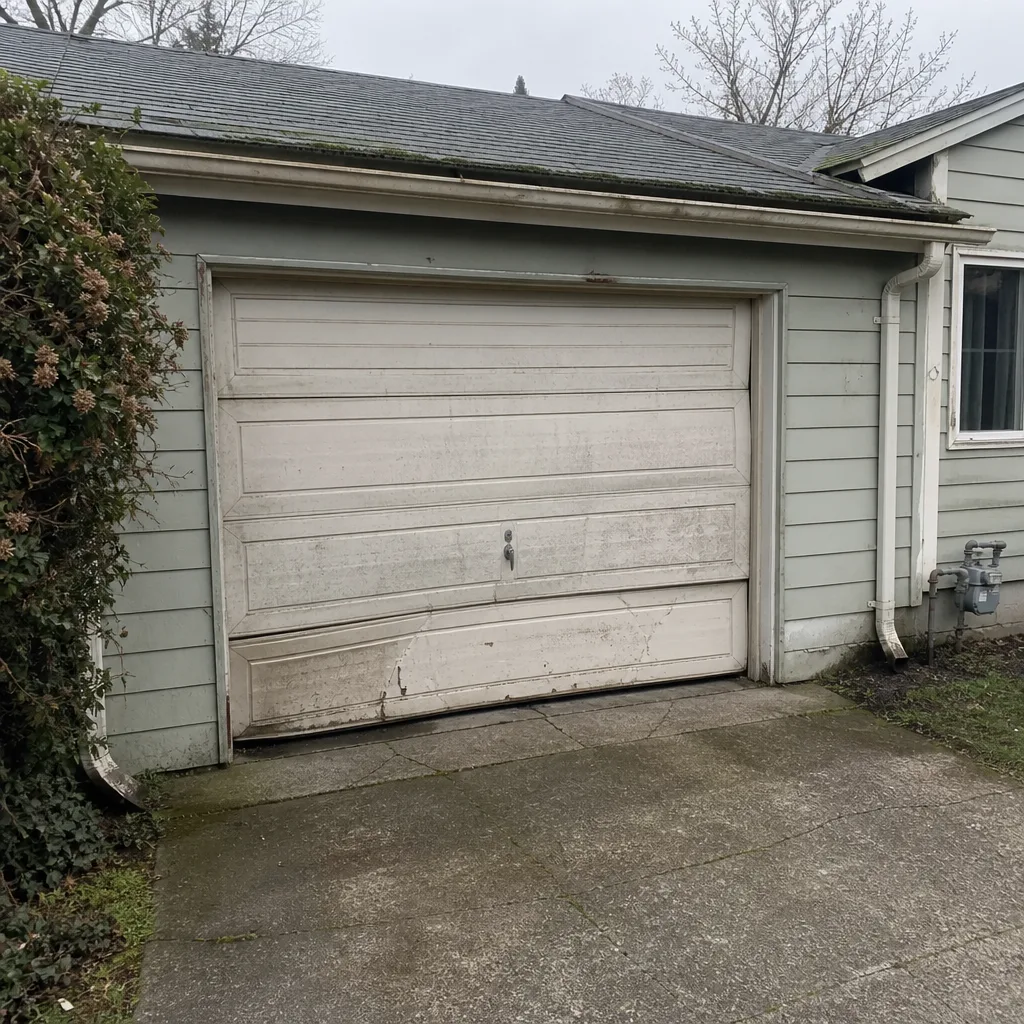 Before
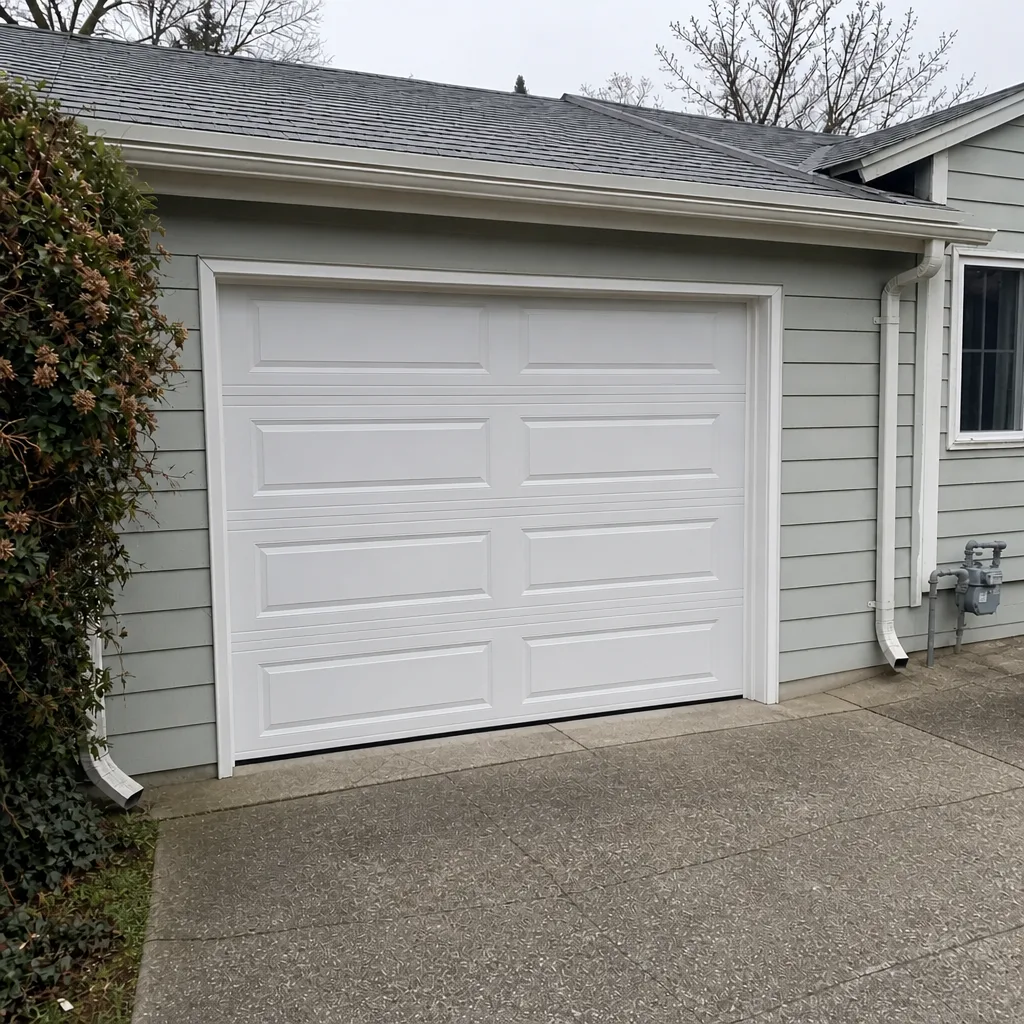 After
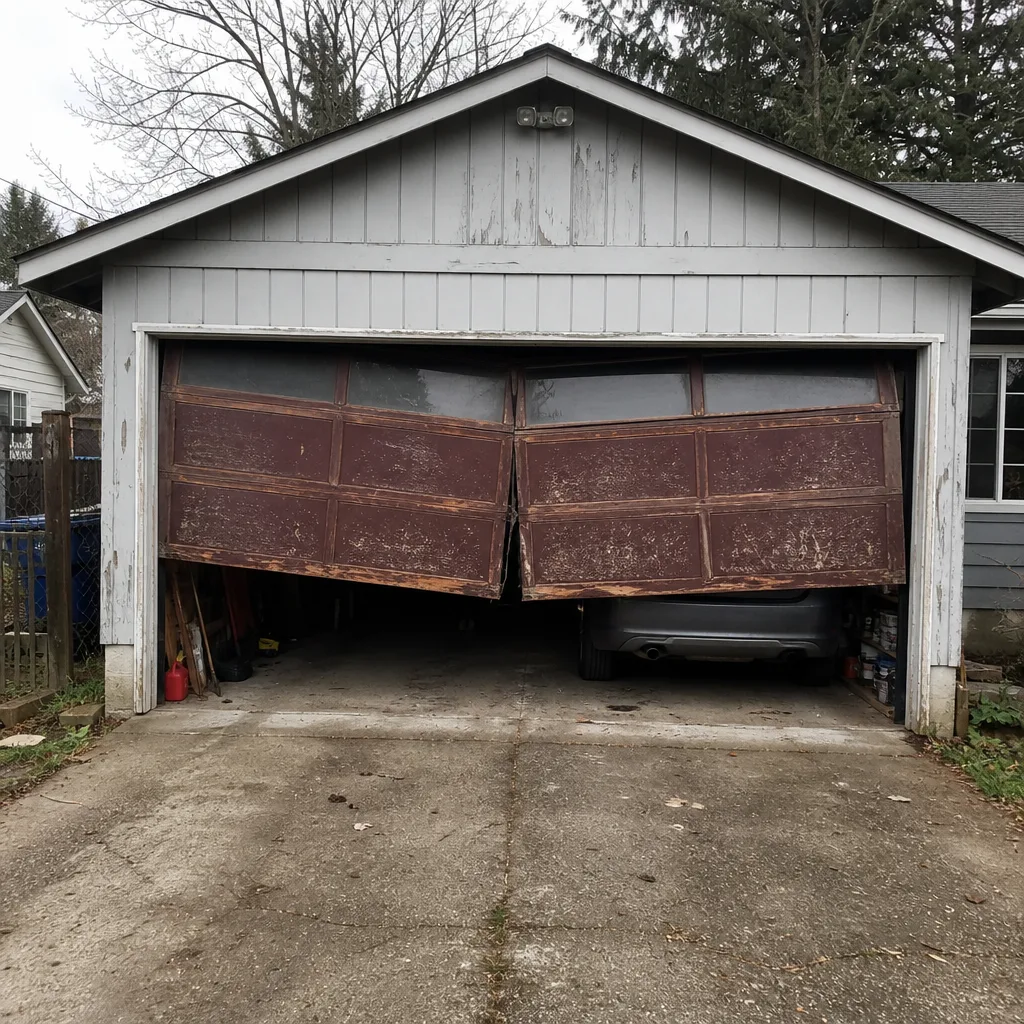 Before
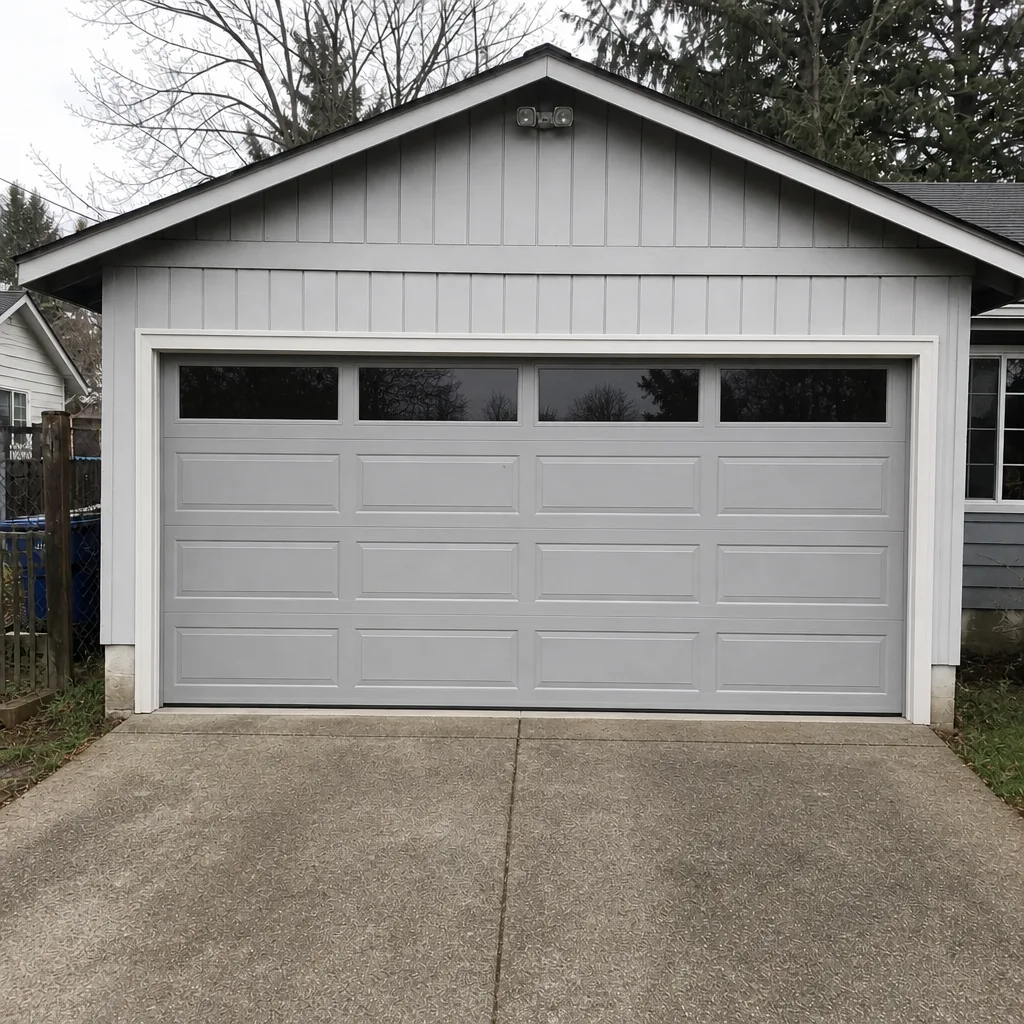 After
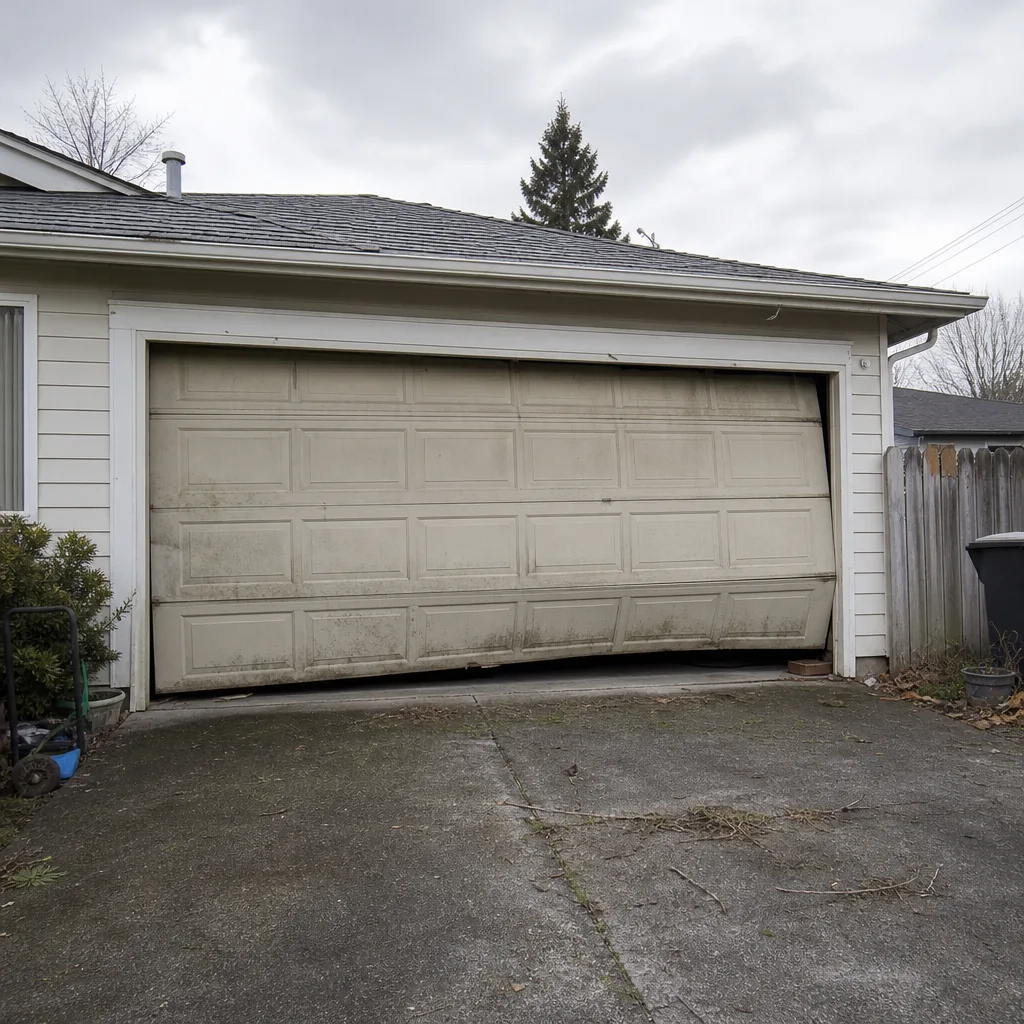 Before
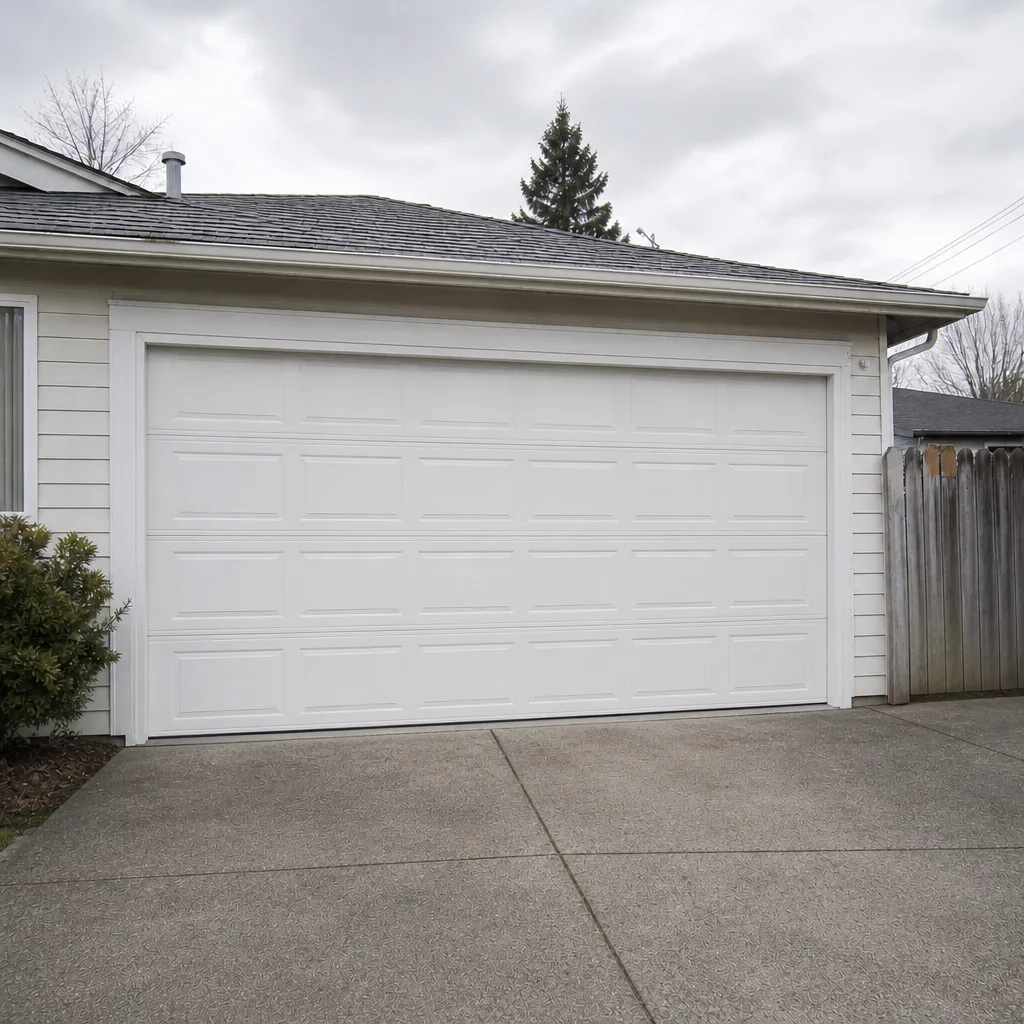 After
When to Call a Professional
Call a professional when the door won’t open or close, when the spring has visibly snapped, when the door lifts unevenly or feels unusually heavy, when the opener runs but the door doesn’t move, or when you hear a loud bang from the garage that you can’t explain. Also call when the door reverses for no reason, when the safety sensors are misaligned or blocked, or when the door is noisy enough that you’ve started avoiding using it. And call before you try to fix any of the above yourself. Springs, cables, and opener boards all carry real risk.
Garage Door Repair Tacoma Pros offers free estimates in Tacoma on repair, opener work, spring replacement, and new door installation. Call (866) 937-8952. We answer 24/7. Fast dispatch from 7am to 7pm, Sunday through Friday. The price is quoted and agreed before any work starts, so there’s no surprise on the invoice after the job.
Frequently Asked Questions
Spring replacement in Tacoma is priced per job by a written estimate, so the number depends on your door’s weight and the spring setup. The important thing is that the estimate separates parts from labor and names the spring count. Springs are usually replaced in matched pairs, so a pair costs more than a single spring. Call (866) 937-8952 for an exact quote; estimates are free.
Often, yes. We offer same-day service and emergency garage door service for a door that won’t open, won’t close, or has a broken spring, and fast dispatch runs from 7am to 7pm, Sunday through Friday. Call (866) 937-8952 and we’ll book the next opening. The estimate is free before any work starts.
Not if the diagnosis is what the estimate described. The written estimate sets the final price, and we quote and agree it before any work starts. If the technician finds a different problem than expected, they show you the change and agree it with you before touching the door.
The local professionals we connect you with are licensed and insured as their state requires. In Washington, that means contractor registration through the state Department of Labor & Industries, plus liability insurance. Ask for a certificate of insurance by email before the appointment, and ask specifically whether the policy covers torsion spring and high-tension cable work. If a contractor can’t send one, don’t book. Call (866) 937-8952 for a free estimate.
Most likely, yes. We service Clopay, Amarr, Wayne Dalton, and Raynor doors, and LiftMaster, Chamberlain, Genie, and Craftsman openers, along with common general repairs for other residential systems. Tell us the brand and model when you call and we’ll confirm. Call (866) 937-8952; estimates are free.
Ask four things: whether they’re licensed and can share a contractor registration number, whether they carry liability insurance that covers spring work and can email a certificate, whether the estimate separates labor from parts and itemizes any trip fee, and whether they stock common springs and cables or order every job. A contractor who answers all four cleanly is worth booking. Call (866) 937-8952 for a free estimate and we’ll answer them directly.
The Bottom Line
Hiring a garage door contractor in Tacoma comes down to a short list: verified licensing and insurance for spring work, an estimate that separates parts from labor and discloses any trip fee, a technician who knows your door and opener brand, and a real answer on parts availability. Ask those four questions before anyone drives out, and compare line items rather than totals. Watch for red flags like a spring quote without a photo, a single spring quoted when two are worn, or pressure toward a full replacement when a repair will do. Do the homework once, keep the number saved, and a failed door in Tacoma stops being an emergency.
Written by the team at Garage Door Repair Tacoma Pros.