
Last updated November 23, 2026
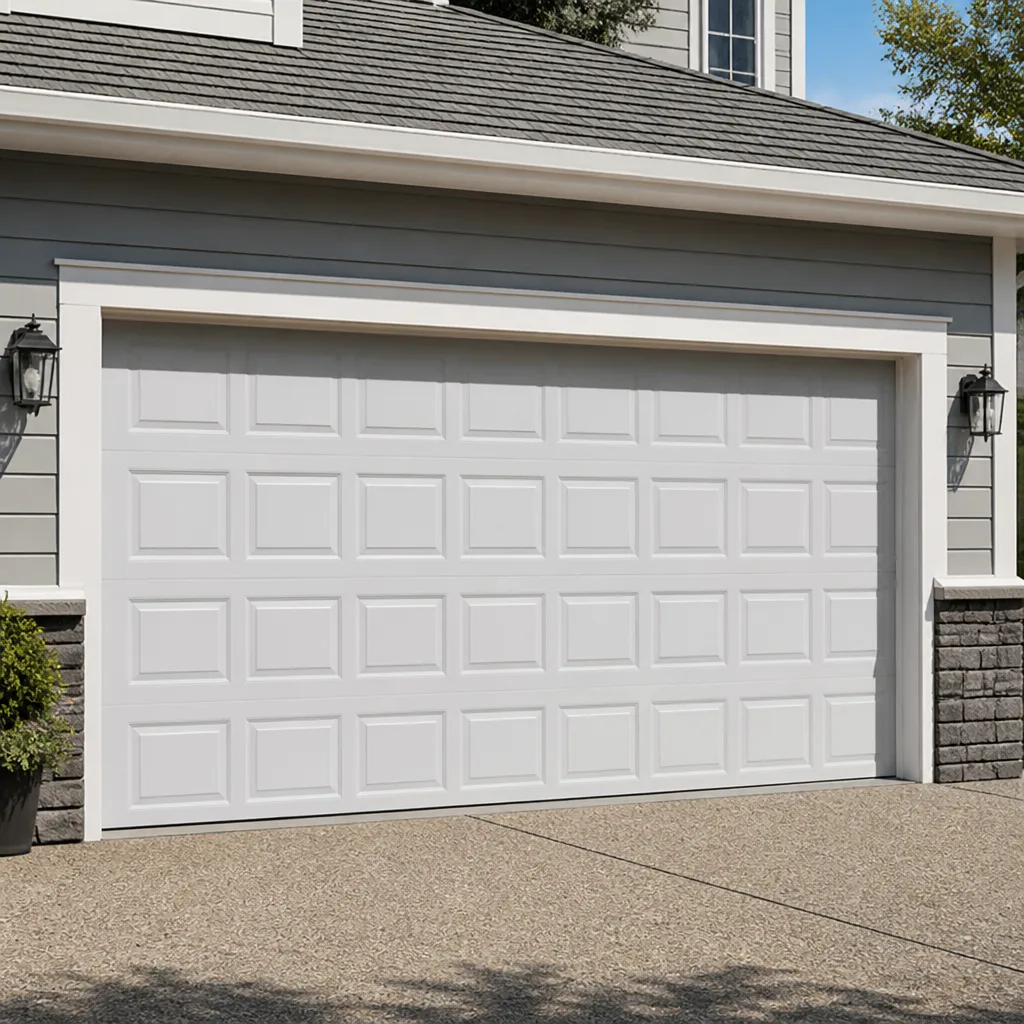 Raised-panel steel
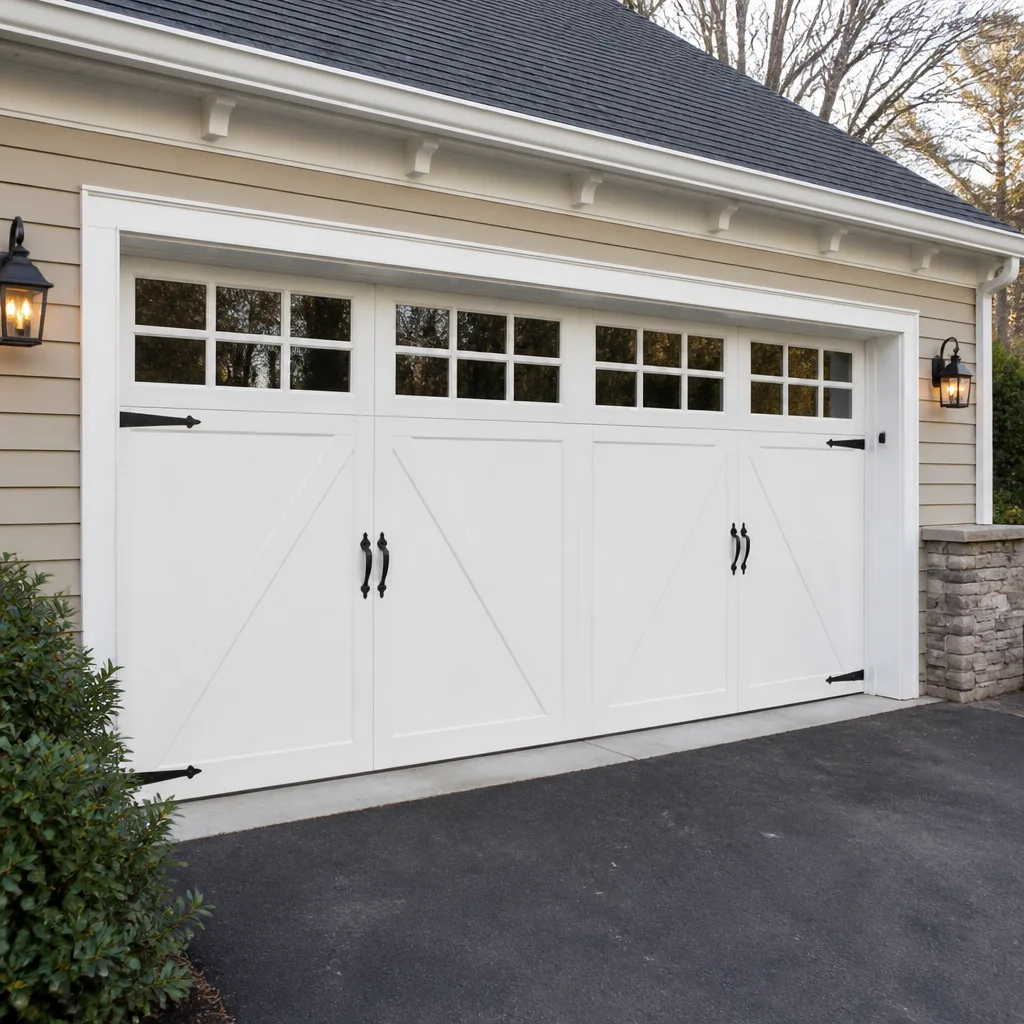 Carriage house
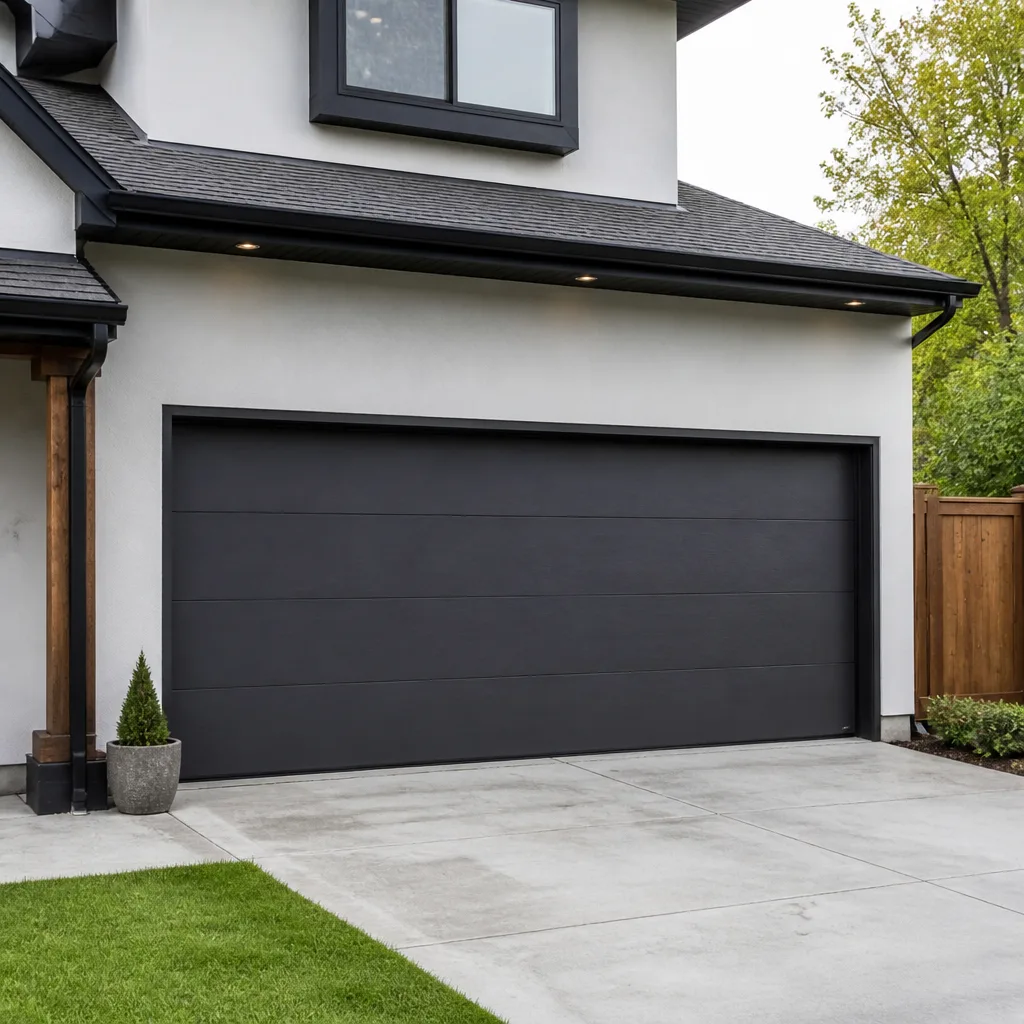 Modern flush
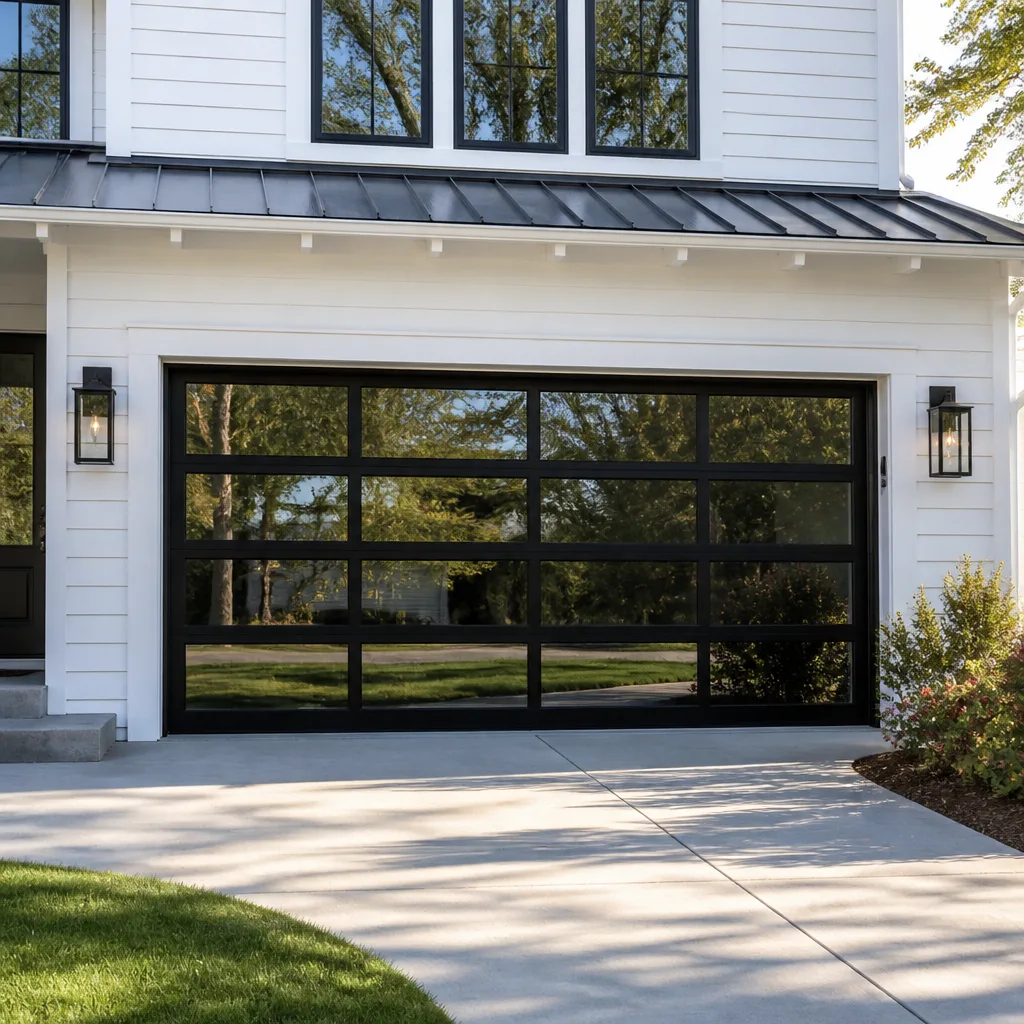 Full-view glass
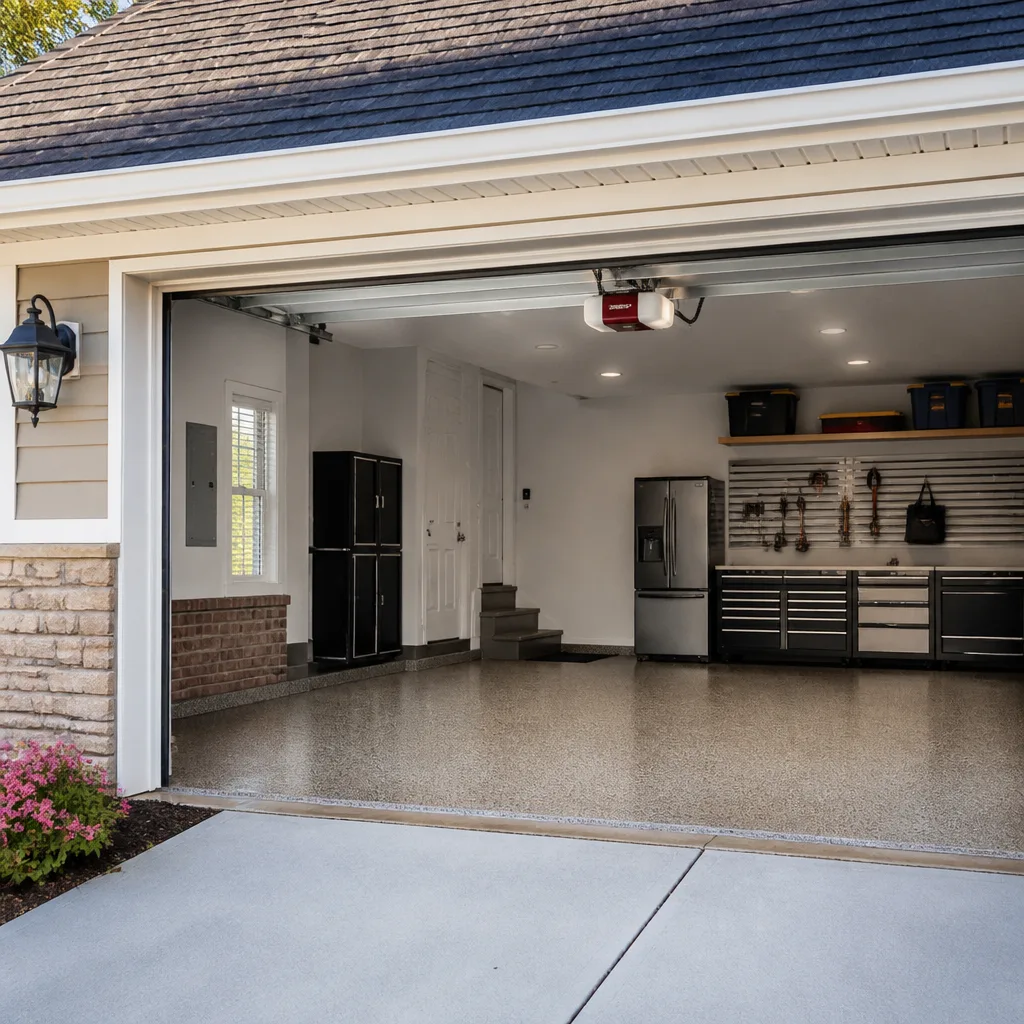 LiftMaster openers
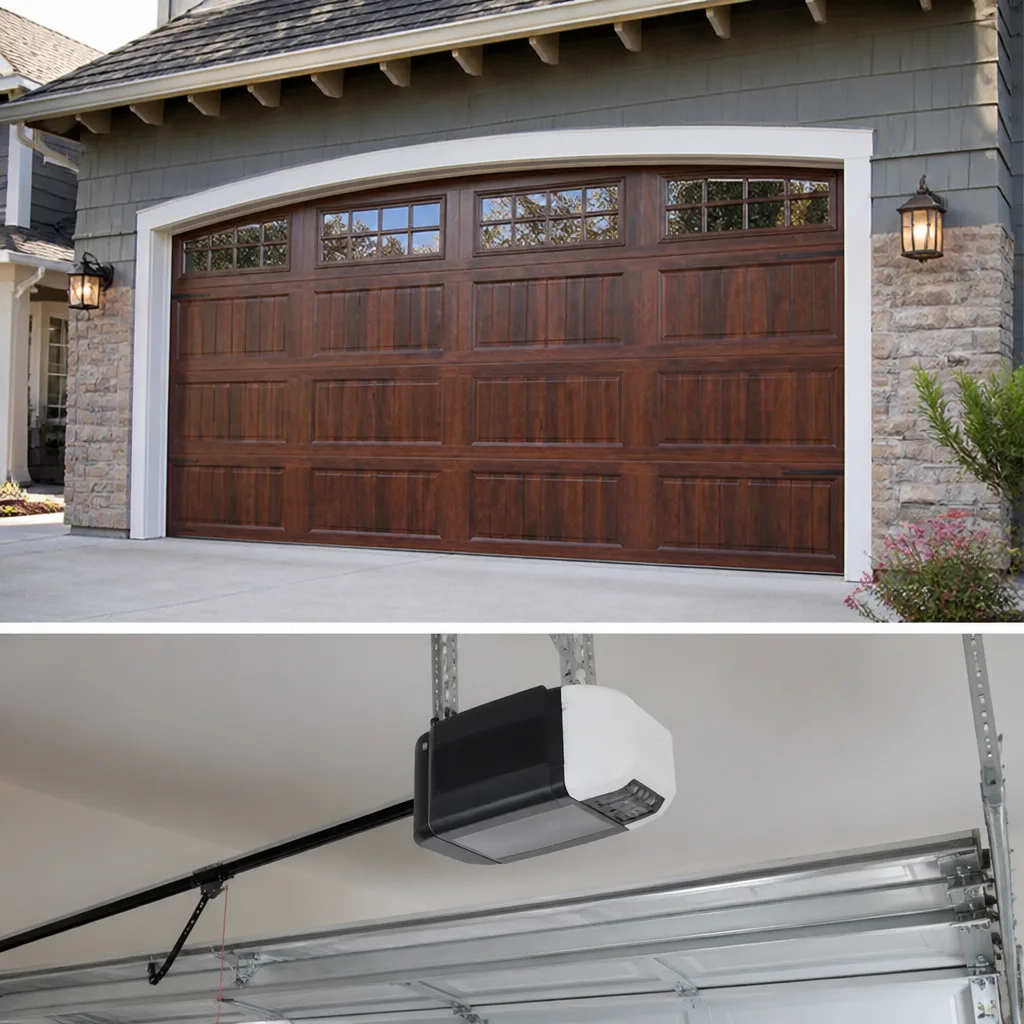 Chamberlain openers
Full 25-point door and opener safety check with every visit - springs, cables, rollers, tracks, and your LiftMaster or Chamberlain opener included
You get a price before we start. It does not change when the pro arrives.
Get your free estimateGarage Door Warning Signs: A Tacoma Homeowner’s Reference Guide
A garage door that takes two seconds longer to open than it did six months ago isn’t “getting old.” It’s telling you the springs are losing tension, the opener is working harder to compensate, and both are closer to failure than you’d like. Most doors in Tacoma don’t fail without warning. They groan, they drift, they stutter, they squeal on the way down, and homeowners write it off as background noise until the door won’t budge and the car is trapped inside.
This guide is a reference for decoding what your door is actually communicating. We’ll cover the sounds, the movements, and the visual cues that matter, which ones are cosmetic and which ones mean call someone today, and how to tell two problems apart that look identical from the outside. Keep it handy. A door that’s caught early is usually a repair; a door that’s ignored becomes an emergency.
Quick Answer
The warning signs that matter most are a door that moves unevenly from side to side, a door that bounces or reverses on the way down, a loud bang from above the door, and visible gaps, rust, or deformation in the torsion spring coils. Cosmetic noises like a light rattle are usually minor, but grinding, popping, and jerky travel almost always point to a mechanical problem that gets worse. In Tacoma, our wet winters and mild, damp air accelerate rust on springs and track hardware, so an annual visual check before the rainy season catches most failures early.
Styles & brands we work with
- Raised-panel steel
- Carriage house
- Modern flush
- Full-view glass
- LiftMaster openers
- Chamberlain openers
Table of Contents
- The Noise Diagnostic: What Each Sound Means
- Grinding: Is It the Opener or the Door?
- Uneven Movement and Cable Tension
- Why Your Door Bounces on the Way Down
- Reading Your Torsion Springs: Gaps, Rust, and Deformation
- Opener Warning Signs Most People Miss
- How Tacoma Weather Affects Your Door
- A 10-Minute Walk-Around Inspection
The Noise Diagnostic: What Each Sound Means
Sound is the earliest warning a garage door gives you. The trick is matching the sound to the part, because a bang from the ceiling and a bang from the floor are completely different problems.
Here’s the glossary we use when a homeowner describes a sound over the phone. Most of the time we can narrow down the cause before anyone arrives, which means the right parts come out on the first visit.
- A single loud bang from above the door, followed by the door not opening: A torsion spring has snapped. This is the most common sudden failure we see, and the door usually won’t move because the spring was doing the lifting. Stop using the opener.
- A grinding noise from the ceiling unit: The opener’s internal gear is worn, often a plastic gear that strips over time. Common on older Chamberlain and Genie units. The door itself may be fine.
- A grinding or scraping noise from the door as it travels: A roller is seized or a track is bent, so metal is dragging on metal. Different repair, different parts.
- A high-pitched squeal during travel: Dry rollers, dry hinges, or a torsion tube that needs lubrication. Usually the cheapest fix on this list and the easiest to prevent.
- A rhythmic pop or click, once per rotation: A bad roller bearing or a hinge that’s worn and catching. It repeats because it’s tied to the rotation of the door.
- A rattle that appears and fades during travel: Loose hardware, a panel bolt, or a bracket that’s worked loose. Worth tightening before it becomes a bigger failure.
- A bang from the floor or a door that slams down: The door is coming down too fast, which points to spring tension loss or a failing torsion system.
Notice the pattern: noises from above the door are almost always spring or cable related, and noises from the door itself or its track are almost always hardware. If you can locate the sound, you’ve already done half the diagnosis. If the noise is a bang and the door won’t lift, that’s an emergency, and we treat it like one.
Grinding: Is It the Opener or the Door?
This is the single most common misdiagnosis we run into in Tacoma. A homeowner hears grinding, assumes the opener is dying, and buys a new opener. Or they assume the door is fine because the opener is the thing making noise, and ignore a door problem that’s actually the cause.
The two sound the same from the kitchen. They’re completely different repairs. Here’s how to tell them apart in about thirty seconds.
- Step back and watch the door while it runs. If the door is the thing making the grinding, you’ll hear it from the door and you’ll likely see it: a slight stutter, a roller that looks off, a track that isn’t parallel to the door edge.
- Watch the opener arm and rail. If the grinding is in the ceiling unit, the door will travel smoothly and the sound will be localized to the motor housing.
- Try the manual release. Pull the release cord and lift the door by hand. If the door rolls smoothly and quietly by hand, the grinding is in the opener. If the door grinds or feels stiff by hand, the problem is the door.
- Check the track edges. A bent or misaligned track will drag a roller and grind. Look for a track that’s visibly bent at a joint or a roller that’s riding the edge of the rail.
Why the distinction matters: an opener gear is a motor problem, and a track or roller is a door problem. Replacing the opener when the door is the issue just means the new opener will grind itself to death too. A proper garage door repair visit starts with identifying which side of the door the fault is actually on.
If the door itself is grinding, stop cycling it. Dragging metal on a bent track will eventually damage the panels and the torsion system, and a panel that could’ve been straightened turns into a replacement. We work on Chamberlain and Genie units regularly, and the “is it the opener or the door” question is one we settle on the first call more often than not. If you’re not sure which side of the door the sound is coming from, that’s a good reason to stop guessing and have it looked at.
Uneven Movement and Cable Tension
A door that rises crooked is one of the few warning signs a homeowner can diagnose with nothing but their eyes. That makes it worth understanding, because uneven travel is the symptom that most often precedes a cable failure.
Here’s the visual check. Stand back from the door and watch the gap between the top of the door and the header as it opens. Then watch the bottom edge relative to the floor as it closes. On a healthy door, those gaps stay level across the full width of the door throughout the travel. On a door with a problem, one side lags. The left side might reach full height a beat before the right, or the bottom edge might be visibly closer to the floor on one side.
What uneven travel means: the two lift sides of your door aren’t applying equal force. That’s almost always cable tension, though a failing spring on a torsion system or a stretched extension spring on an older door will produce the same look. The cable on one side is slack, frayed, or binding, and the door is being pulled up unevenly because of it.
A slack cable isn’t a cosmetic issue. It’s a safety issue. A cable that’s loose can jump its drum, and when it does, the door comes down without anything controlling its fall. If you see a cable that’s sagging, kinked, or frayed on the surface, don’t cycle the door again, and don’t try to tighten it yourself. That cable holds the full weight of the door under extreme tension.
For context: Tacoma’s older homes, particularly in the North End and along the hills in the Proctor District, often have doors that have been through years of cycle counts without anyone checking cable condition. If the door was installed more than a decade ago and has never had the cables inspected, uneven travel is a strong signal to have someone look at it rather than wait for it to fail.
Why Your Door Bounces on the Way Down
Here’s the misconception: a door that bounces or reverses a few inches off the floor is “a limit switch problem” or “a sensor that needs adjusting.” Homeowners search for that answer, find it online, and go adjust the travel limits on the opener.
Sometimes that’s right. More often, it’s a spring tension problem wearing a limit switch mask.
The door’s descent is controlled by the springs. When the springs are correctly tensioned, the door descends at a controlled, steady speed and settles onto the floor. When spring tension has dropped, the door comes down faster than it should, the opener’s internal logic sees the fast travel as a safety event and reverses it, and the door bounces. The limit switch on the opener isn’t wrong. It’s doing exactly what it’s supposed to do. The springs are the problem, and no amount of limit adjustment will fix a door that’s coming down too fast because the springs lost tension.
How to tell the two apart:
- If the bounce happens at or near the floor, on the last few inches: More likely a travel limit or a sensor issue. The door is nearly down before it reverses, which points to the opener’s downward limit setting.
- If the bounce happens partway through the descent, or the door seems to accelerate: More likely spring tension. The door is coming down too fast, and the opener is catching it.
- If the bounce started gradually and got worse over weeks: Failing spring tension almost always develops slowly. A limit switch out of adjustment usually starts suddenly, often after a power interruption or a storm.
Don’t keep cycling a door that bounces. Every cycle is the opener and the safety reverse system fighting each other, and both wear. If the bounce is spring-related, waiting makes the eventual failure more expensive because the door’s full weight gets carried by the opener’s rail instead of the springs. Spring work is its own specialty, and it’s the one part of this trade we never recommend a homeowner take on themselves. Torsion springs are under enormous tension, and a spring that’s handled wrong can cause serious injury in an instant.
Reading Your Torsion Springs: Gaps, Rust, and Deformation
The torsion spring is the single most failure-prone part on a residential garage door. It’s also the easiest to inspect without touching anything. The spring is the coiled part on the bar above the door. You can see it from the floor, and what you see tells you how urgent the situation is.
Here’s how we read a torsion spring during an inspection, and what each condition means:
- Gaps between the coils: On an unloaded (untensioned) spring, coils sit with a slight gap. On a properly wound spring, the coils are pressed together and nearly invisible as separate turns. If you can see daylight between the coils while the door is closed, the spring has lost tension. How urgent: a tensioned spring with visible gaps is nearing the end of its life and should be replaced before it fails.
- Rust on the coils: Surface rust is common in Tacoma’s damp climate and, on its own, isn’t an emergency. Deep rust, flaking, or pitting where the surface looks pockmarked is a serious warning. Rust thins the spring wire, which reduces its load capacity, and a spring that’s carrying less than it should is a spring that’s going to break. How urgent: schedule it, don’t wait for a bang.
- Deformation or an offset in the coils: If the spring looks like it has a section that’s wider or narrower than the rest, or the coils sit unevenly along the shaft, the spring is failing. How urgent: this is a short-window replacement. Book it.
- A visible break: A gap of several inches where the spring has separated into two pieces, often with the coils splayed apart. The door no longer has a lift mechanism. How urgent: emergency. Don’t cycle the door. Call garage door repair and stop using the door entirely.
We do this check on every visit, and it’s the one service we list as a distinct specialty because it’s the highest-risk repair on a residential door. A spring under tension carries hundreds of pounds of force. A technician needs the right winding bars and training to handle it, and a homeowner needs a wide berth. We can tell you what’s wrong with your spring over the phone from a photo in most cases. We’ll never talk you into cycling a broken spring to test it, and we’ll never suggest a homeowner adjusts one.
One more thing on Tacoma springs: a door with two springs is designed to operate on both. If one breaks, the second is now doing all the lifting, which means it’s overloaded. Homeowners often ask if they can run the door on the surviving spring while they wait for a repair. The answer is no. A single spring on a two-spring door is carrying double its load and is very likely to fail next. Replacement for a matched pair usually makes sense together, not one at a time.
Opener Warning Signs Most People Miss
The opener is the part of the system homeowners interact with most and understand least. It’s also the part that fails in slow motion, which means there’s usually a long window to catch it before it dies completely.
Here are the opener behaviors that deserve attention, in rough order of urgency:
- The opener runs but the door doesn’t move: Either the opener has disengaged from the door, or the drive belt, chain, or screw is stripped. It’s an opener problem, not a door problem.
- The door moves a few inches and stops: A safety sensor issue, a travel limit problem, or a tired motor. The safety sensors at the bottom of the track are the first thing to check, because a misaligned or dirty sensor will stop a door cold.
- The opener strains, labors, or shudders: This is almost always the opener struggling to lift a door that’s gotten heavier, which means the springs have lost tension. The opener is the messenger, not the cause.
- Repeated safety reverses, even with nothing in the way: Could be the safety sensors, could be the travel limits, could be spring tension. This is the one where a quick diagnostic call saves time.
- The remote works only up close: Antenna or interference issue, or a failing receiver board. Annoying but rarely urgent, unless it’s the only remote and the door won’t open at all.
- The opener’s light flickers or the unit beeps and does nothing: Logic board or capacitor problem, often age-related on older Genie and LiftMaster units.
Why we cover so many brands: most homes in Tacoma have one of a handful of openers installed. Chamberlain and Genie are the two we see most often, alongside LiftMaster and Craftsman units that share much of the same architecture. Because we service the brands people actually have, we’re not going to tell you a repair isn’t possible because it’s “not one we work on.” A trained technician can diagnose and repair the system that’s already in your home rather than pushing you toward a replacement. When the opener genuinely needs replacement, we’ll say so. The call is garage door opener repair until it isn’t, and the diagnosis should come before the sales conversation.
How Tacoma Weather Affects Your Door
Tacoma’s climate isn’t extreme, but it’s specific. The long wet season, the damp air that lingers through the shoulder months, and the temperature swings between a wet winter and a mild summer all show up on the door.
What that means in practice: rust on torsion springs, hinges, and track hardware develops faster here than in dry climates. Rollers that sit on a wet track develop flat spots. Wood panels, on older doors especially, swell and shrink seasonally, which can throw a door slightly out of alignment. A door that’s perfectly quiet in August may start squealing in January, and that’s usually a lubrication and rust story rather than a failure story.
The practical takeaway: the best time to walk around and inspect your door, look at the springs, listen for changes, and check the track hardware, is late summer, before the wet season starts. That’s when we recommend a homeowner does the 10-minute inspection we cover next. Catching rust on a spring in September is a cheap repair. Catching it in December, after the door has been cycling wet for three months, is often a replacement.
We don’t see salt-air corrosion here, and snow is rare, so the main culprit is consistent moisture rather than dramatic events. That’s good news. It means the warning signs are visible in advance, and the fixes are usually straightforward when they’re caught early. Tacoma homes in older neighborhoods with wood or insulated steel doors benefit most from an annual check, simply because there’s more metal and more panel seams to look at.
A 10-Minute Walk-Around Inspection
Do this once a year, ideally in late summer or early fall. It won’t replace a professional inspection, but it will catch the majority of failure risks before they turn into a broken door.
- Stand back and watch the door open and close. Look for uneven travel, jerking, bouncing, or any part of the door that reaches the top or bottom before the others. This one step tells you more than anything else on the list.
- Listen. Note any grinding, popping, squealing, or rattle, and where it seems to come from: above the door, from the door itself, or from the ceiling unit.
- Look at the torsion spring. Gaps between coils, rust that’s flaking or pitted, and visible deformation are all flags. A separated spring is a stop and call.
- Look at the cables on both sides. They should be taut and free of fraying, kinks, or sagging. A slack cable means stop using the door.
- Check the track on both sides. A track should be straight and level along the door’s travel. Look for bent sections or bolts that have worked loose.
- Look at the rollers. They should spin freely. A roller that’s flat on one side or visibly worn needs replacement.
- Test the safety reverse. Place an object in the door’s path and close it. A properly adjusted door reverses on contact. If it doesn’t, the opener’s safety system needs attention.
- Check the hardware by eye only. Look at the hinges and brackets for loose bolts. Tighten any that are visibly loose, and leave the rest to a technician. Don’t touch anything that’s attached to a spring or cable.
If you find a broken spring, a slack or frayed cable, or a door that won’t move evenly, stop and call. Everything else on this list can wait for a scheduled repair. The reason we stress this walk-around is that most of the emergency calls we handle started as a warning sign a homeowner saw and wrote off. A rattle in August is a $50 part. A rattle that becomes a broken hinge, a bent track, and a misaligned door in February is a different conversation entirely.
Common Mistakes to Avoid
- Ignoring a slow door because it still opens. A door that’s getting slower is losing spring tension. It still works until it doesn’t, and by then you’re dealing with a broken spring and a trapped car instead of a scheduled replacement.
- Adjusting the travel limits to fix a bounce. If the bounce is spring-related, limit adjustments just mask it and wear the opener. Diagnose first, adjust second.
- Greasing a torsion spring to quiet a squeal. The squeal is usually a roller or hinge, not the spring. Greasing the spring itself doesn’t help, and the treadmill of “I’ll get to it” is what gets homeowners stuck.
- Trying to lift the door by hand after a spring breaks. A door with a broken spring is far heavier than it looks, and the sudden lift can cause injury or bring the door down on you. Leave it and call.
- Replacing just one spring on a two-spring door. The remaining spring is overloaded from the moment the other fails. Matched pairs should be replaced together, and a technician should tell you why.
- Assuming the opener brand is the problem when the door is. A new opener installed on a door with a bent track or worn roller will fail too. In Tacoma, where damp air accelerates rust, this is a common and expensive mistake.
- Working around the door to avoid the truck in the garage. A wobbly door that’s been “on the list” for months is a door that’s closer to failure than a scheduled repair would suggest. Book the inspection before it books you.
See the difference
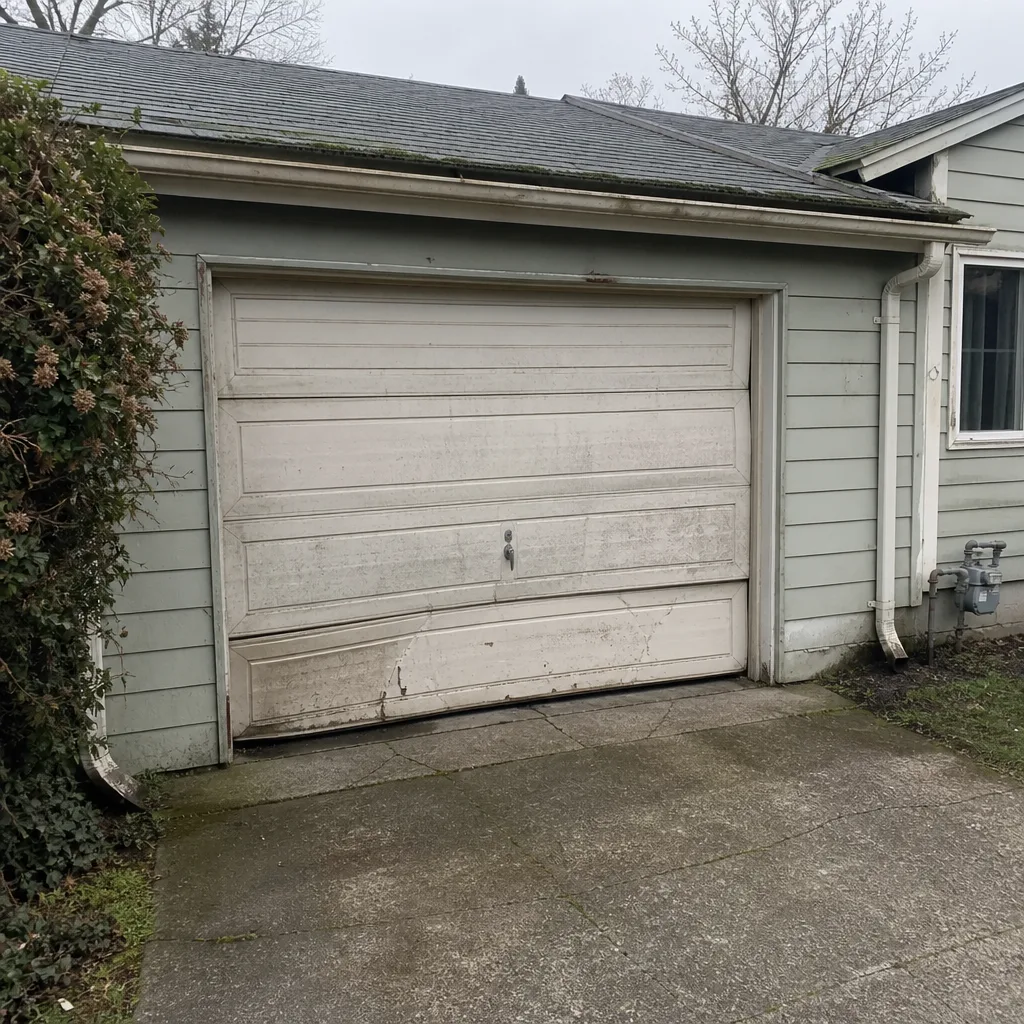 Before
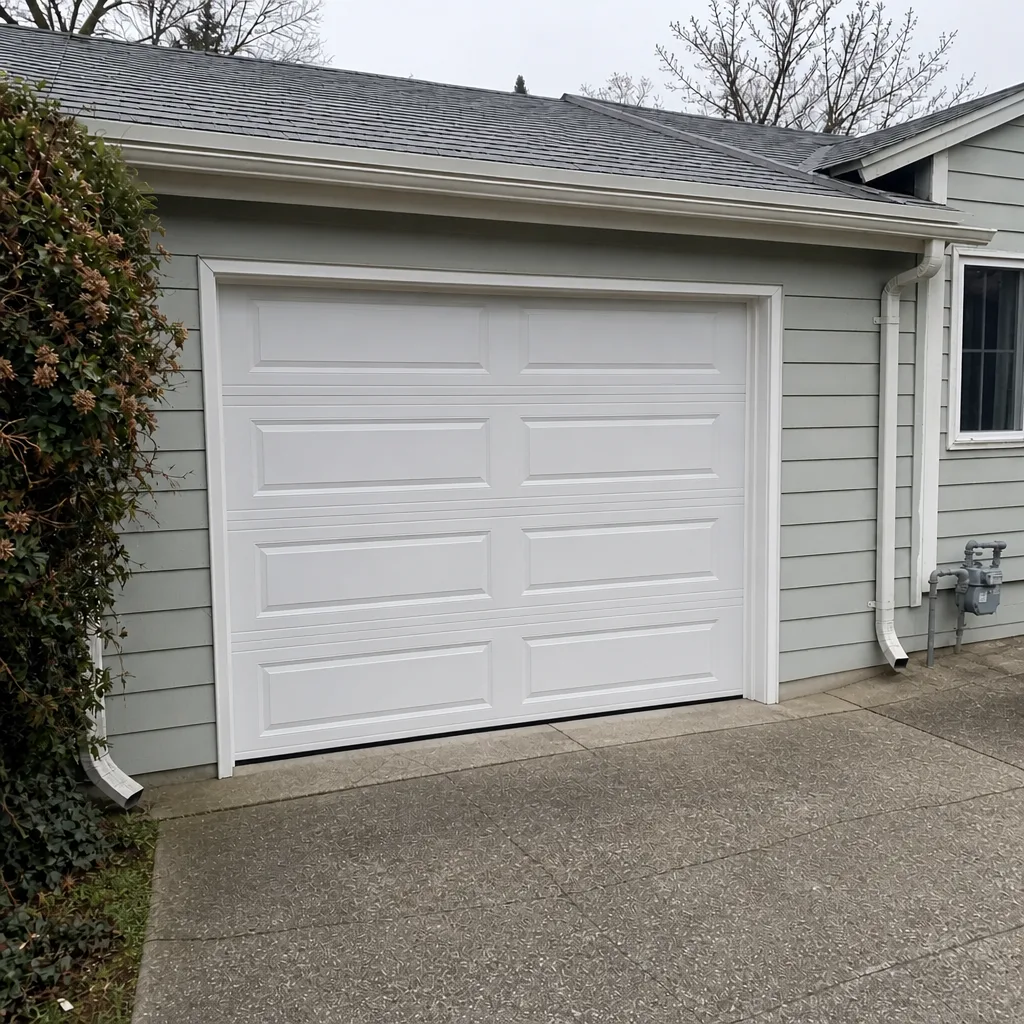 After
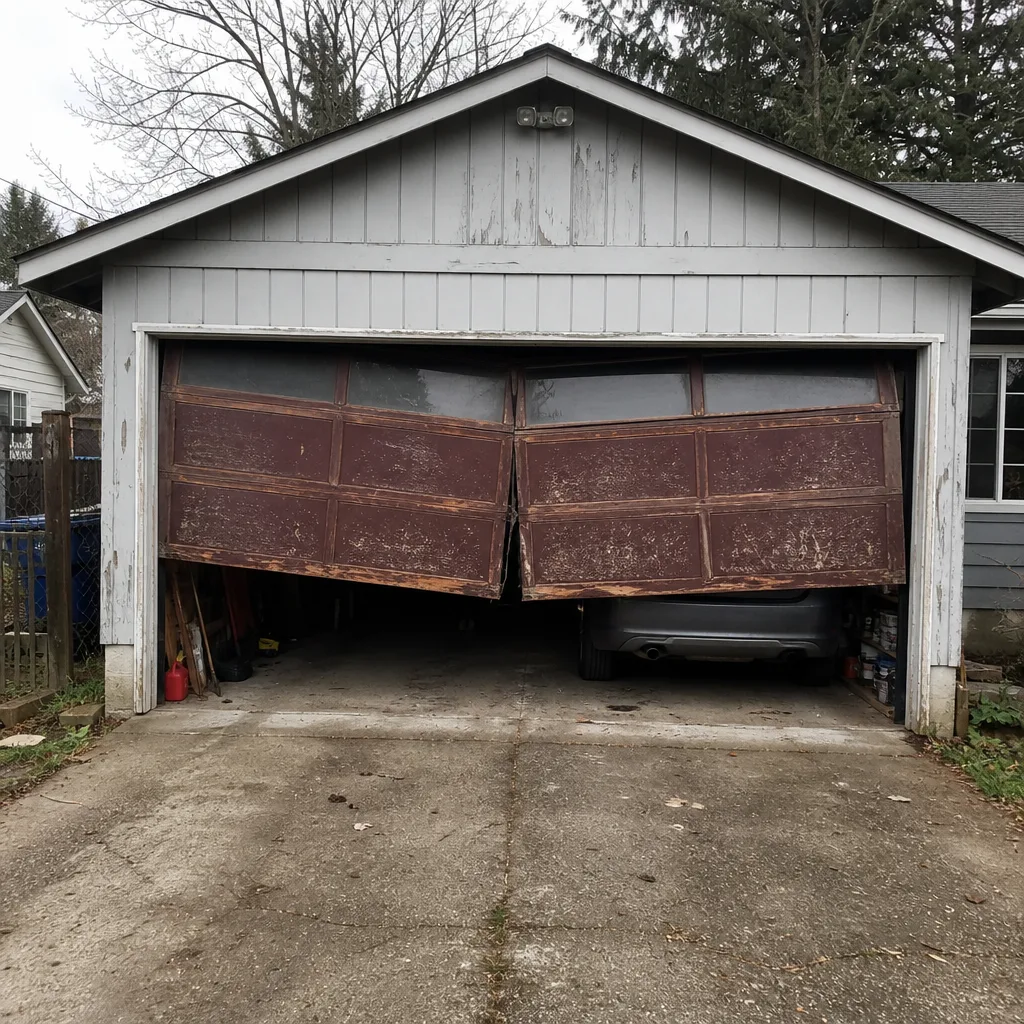 Before
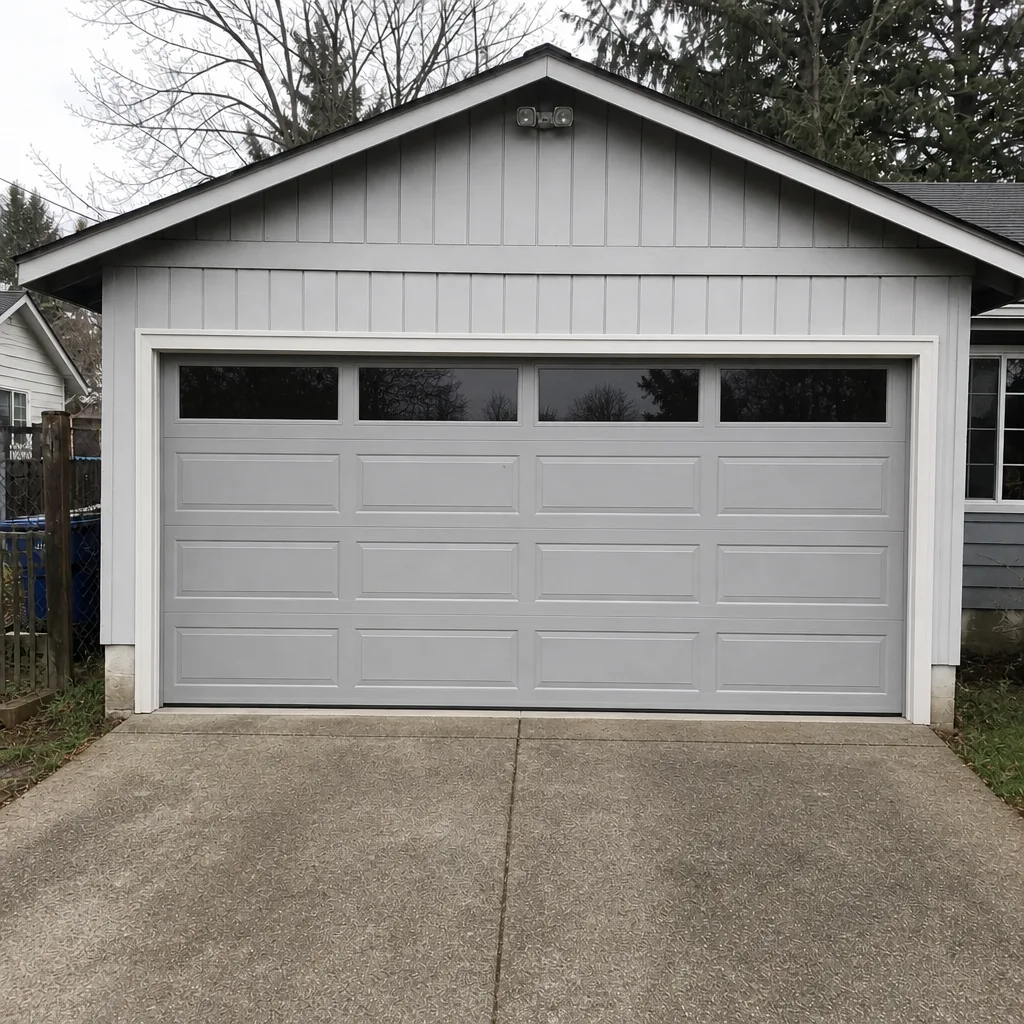 After
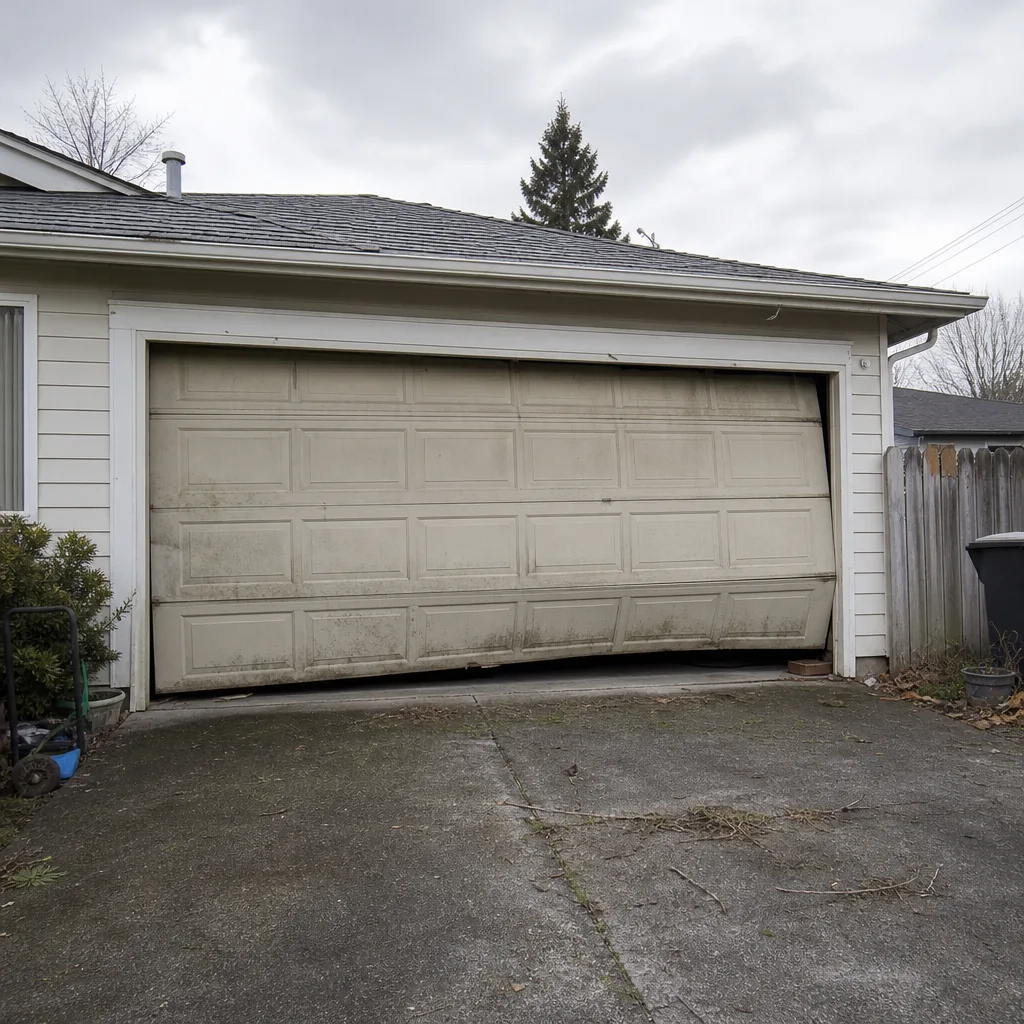 Before
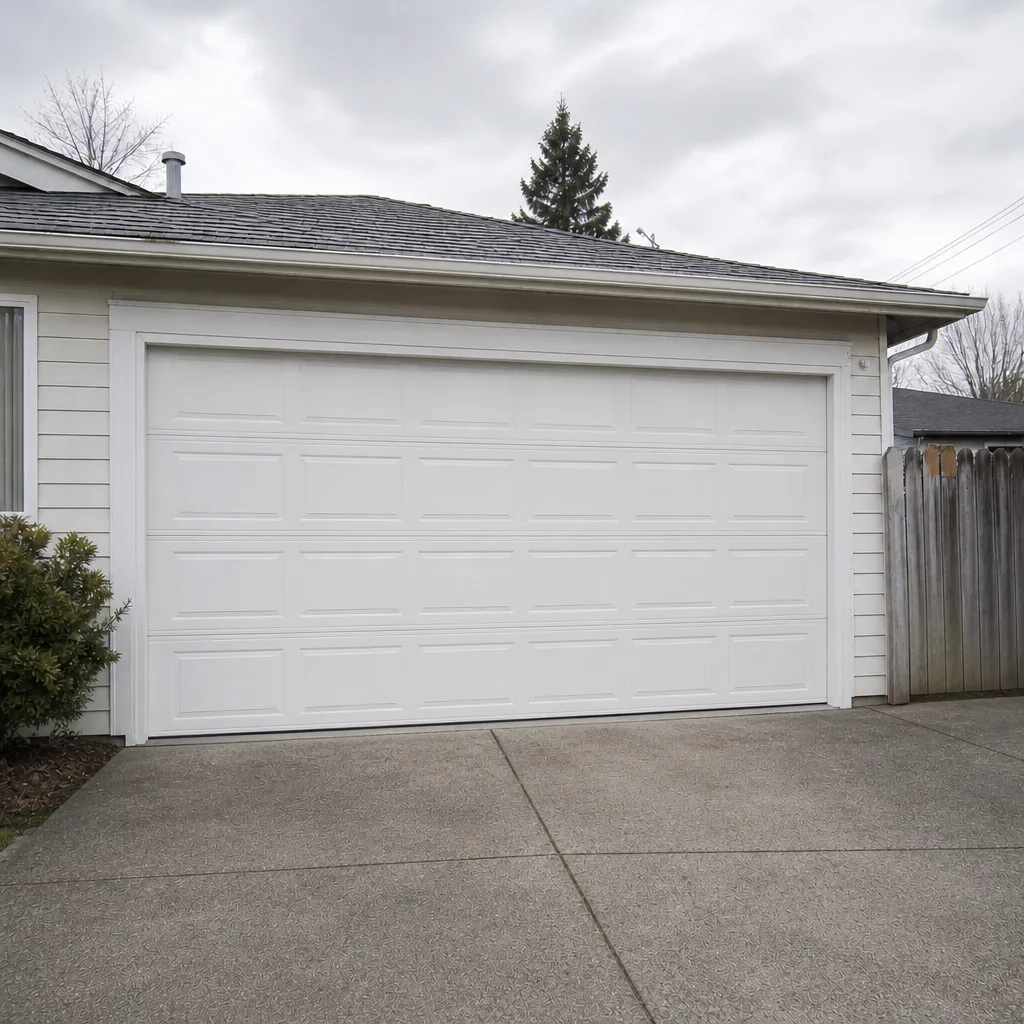 After
When to Call a Professional
Call immediately if the door won’t move at all, if you heard a bang from above the door and it stopped opening, if you see a broken spring or a slack or frayed cable, or if the door is moving unevenly and you can’t see the cause. Those are safety situations, and they belong in the hands of a trained technician. Some of them are urgent enough that we’d rather you shut the door and call than try anything on your own.
Call to schedule if you’ve heard a new grinding, popping, or squealing noise, if the opener is straining or the door is heavier than it used to be, if you’ve noticed rust on the spring coils, or if your door hasn’t been inspected in a year or more. In Tacoma, the damp season is a real factor, so an annual check is a good habit.
Garage Door Repair Tacoma Pros works on the brands already in your home and offers full-scope service for anything from the springs to the opener to the door itself. We give free estimates in Tacoma, and we’ll tell you honestly whether you’re looking at a repair or a replacement. Call garage door repair or reach us at (866) 937-8952. We answer 24/7. Fast dispatch from 7am to 7pm, Sunday through Friday.
Frequently Asked Questions
A single loud bang from above the door followed by a door that won’t open, most often a broken torsion spring. That’s an emergency, and you should stop using the door immediately and call. A slack or frayed cable is also in that category. Both carry the full weight of the door, and neither is something to test by cycling the door again. For an urgent spring failure, we can be reached at (866) 937-8952 and estimates are free.
The manual release test tells you. Pull the release cord and lift the door by hand; if it lifts smoothly, the door is fine and the opener is the problem, and if it’s heavy or stiff, the springs are the issue. You can also watch the door during a normal cycle: if the opener is straining, the door is heavier than it should be, which points to the springs. Call (866) 937-8952 if you want a technician to confirm before you spend anything.
Spring replacement is priced per spring, and a door with two springs almost always gets a matched pair, so the pair costs about twice a single spring. The written estimate sets the final price, and we quote it before any work starts, so the number on the invoice matches the number you agree to. Call (866) 937-8952 for an exact quote. Estimates are free.
Yes, and it depends on where the bounce happens. A bounce at or near the floor usually points to a travel limit or sensor adjustment, and a bounce earlier in the descent usually points to spring tension. Either way, the door shouldn’t keep cycling while it bounces, because each cycle puts strain on the opener and the reverse system. Call (866) 937-8952 and we’ll narrow it down over the phone.
No. Torsion springs are under extreme tension and are matched to the door’s weight, and winding one without the right bars and training can cause serious injury. Even a spring that fits won’t be correctly matched to your door, which puts the opener and the door itself at risk. This is the one repair we always send to a trained technician. Reach us at (866) 937-8952 for a safe replacement.
Once a year, ideally before the wet season starts, is the schedule we recommend for most homes. Our damp climate accelerates rust on springs and hardware, so a fall check catches most of what would fail in the winter. The 10-minute inspection in this guide is a good first pass, and a professional inspection catches what a visual check can’t. Call (866) 937-8952 to schedule one and to get a free estimate.
The Bottom Line
Your garage door doesn’t fail without telling you first. The trick is knowing what to listen for and what to look at. The signs that matter most are uneven travel, a door that bounces on the way down, a bang from above the door, and visible rust, gaps, or deformation in the torsion spring coils. Catching any one of them early usually means a repair; catching them late usually means an emergency and a bigger bill. In Tacoma, a late-summer walk-around catches most of what the damp season would otherwise bring out. If something on your door sounds or looks wrong, stop guessing. We work on the brand already in your home, we diagnose honestly, and we tell you when a repair is the right call and when it isn’t.
Call (866) 937-8952 for a free estimate. We answer 24/7. Fast dispatch from 7am to 7pm, Sunday through Friday. When the door won’t move and the car is trapped, that’s exactly the call we want to get. Whether you’re looking at a full garage door installation or a small repair, we scope it, price it, and tell you which one you actually need. If you’d like a broader look at what’s on offer before you call, start with Garage Door Repair Tacoma Pros.
Written by the team at Garage Door Repair Tacoma Pros.