
Last updated November 23, 2026
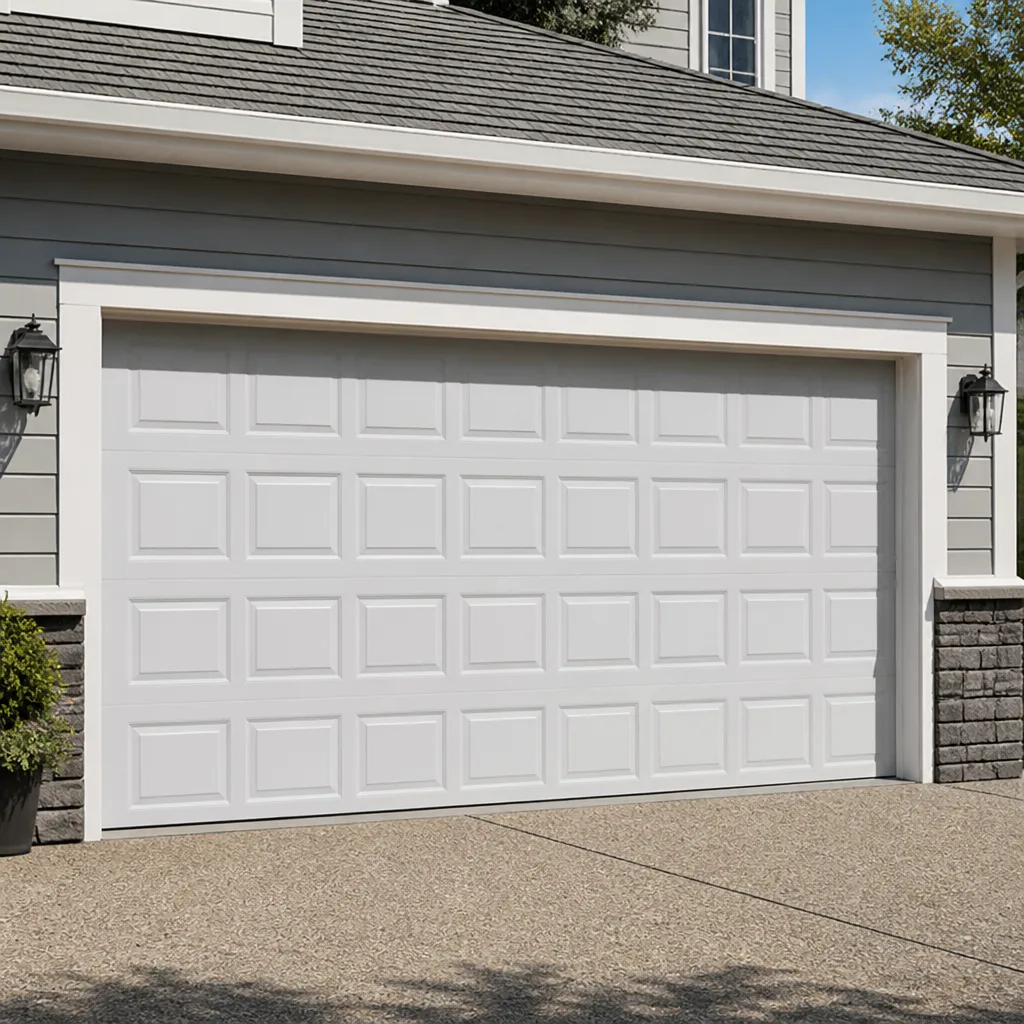 Raised-panel steel
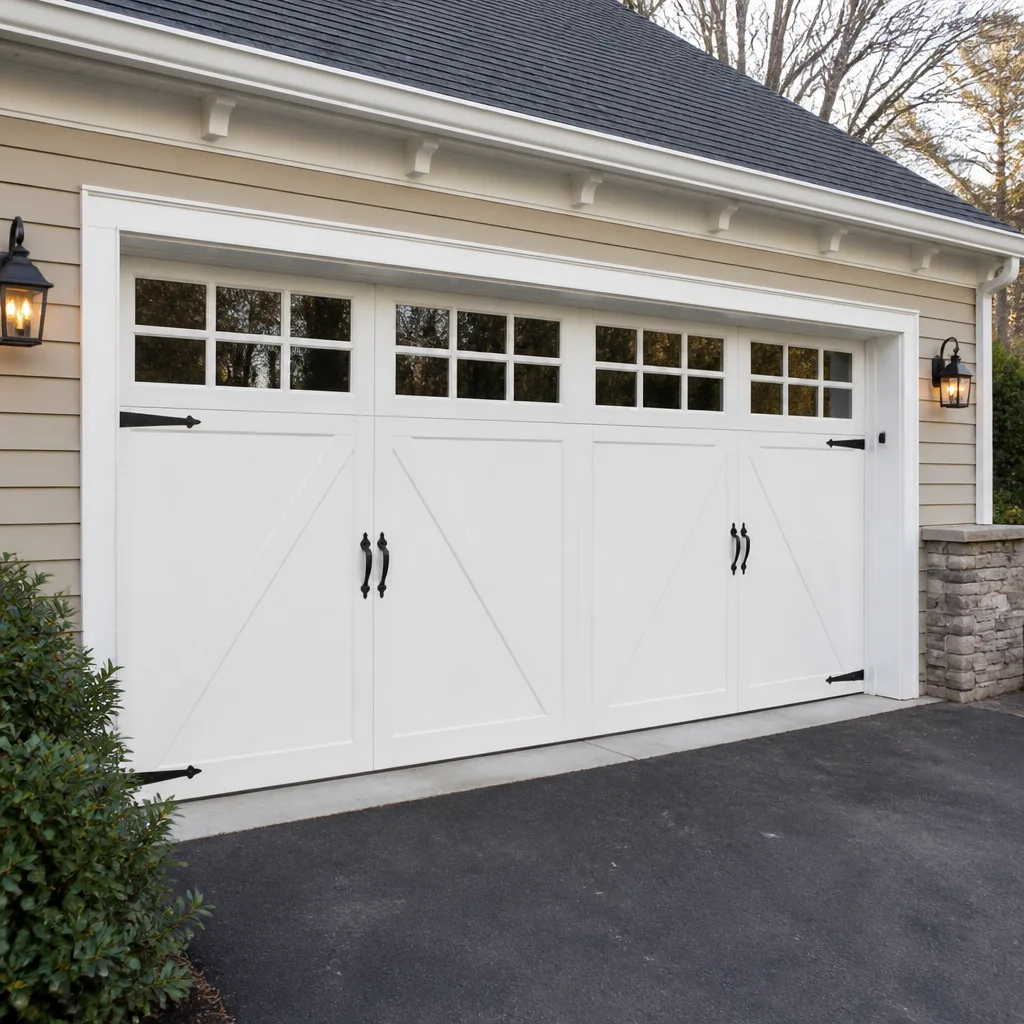 Carriage house
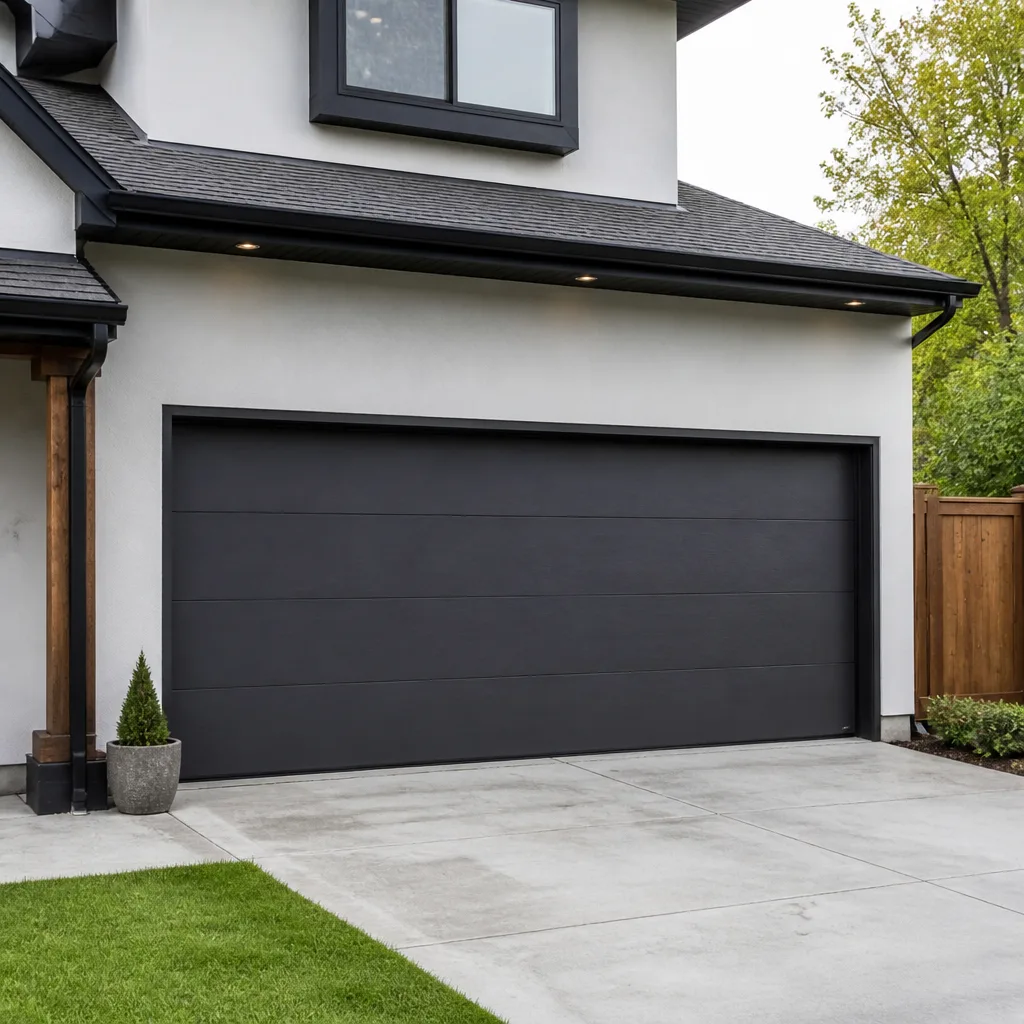 Modern flush
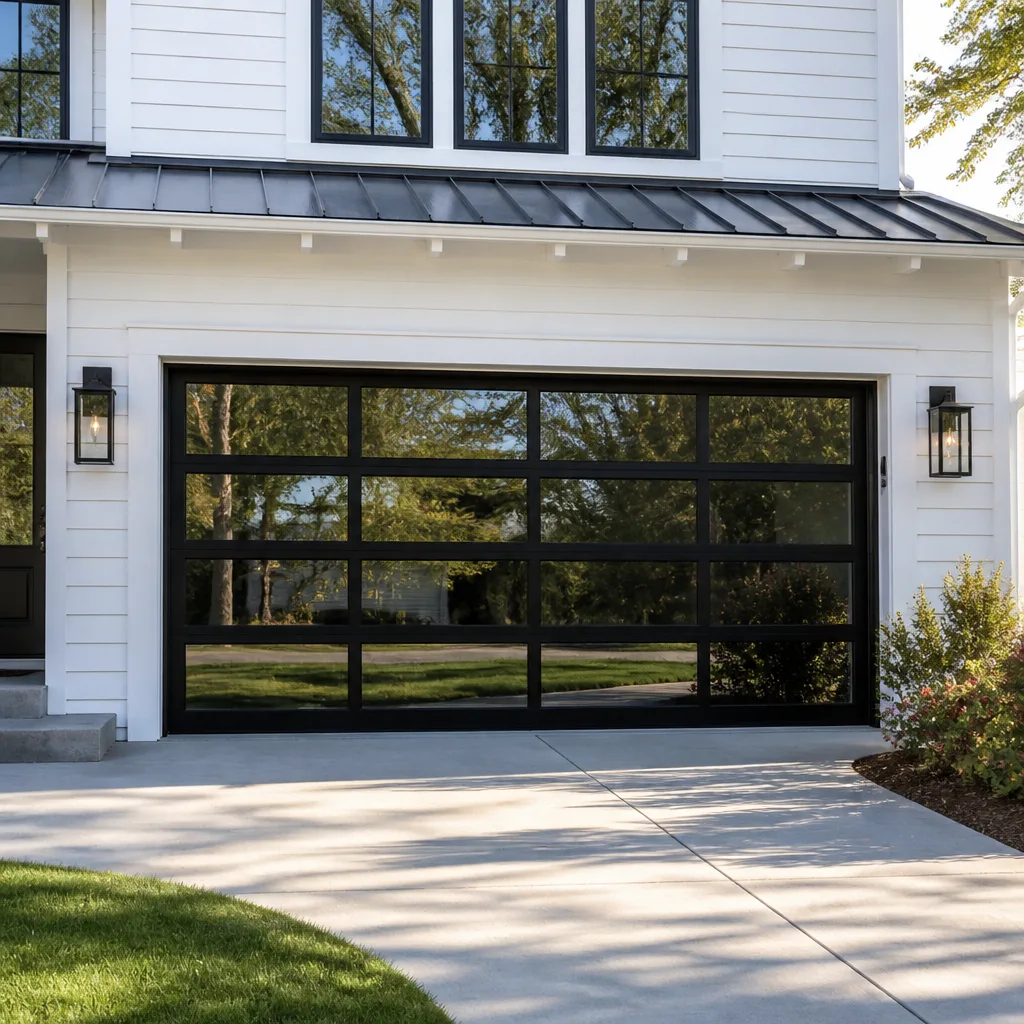 Full-view glass
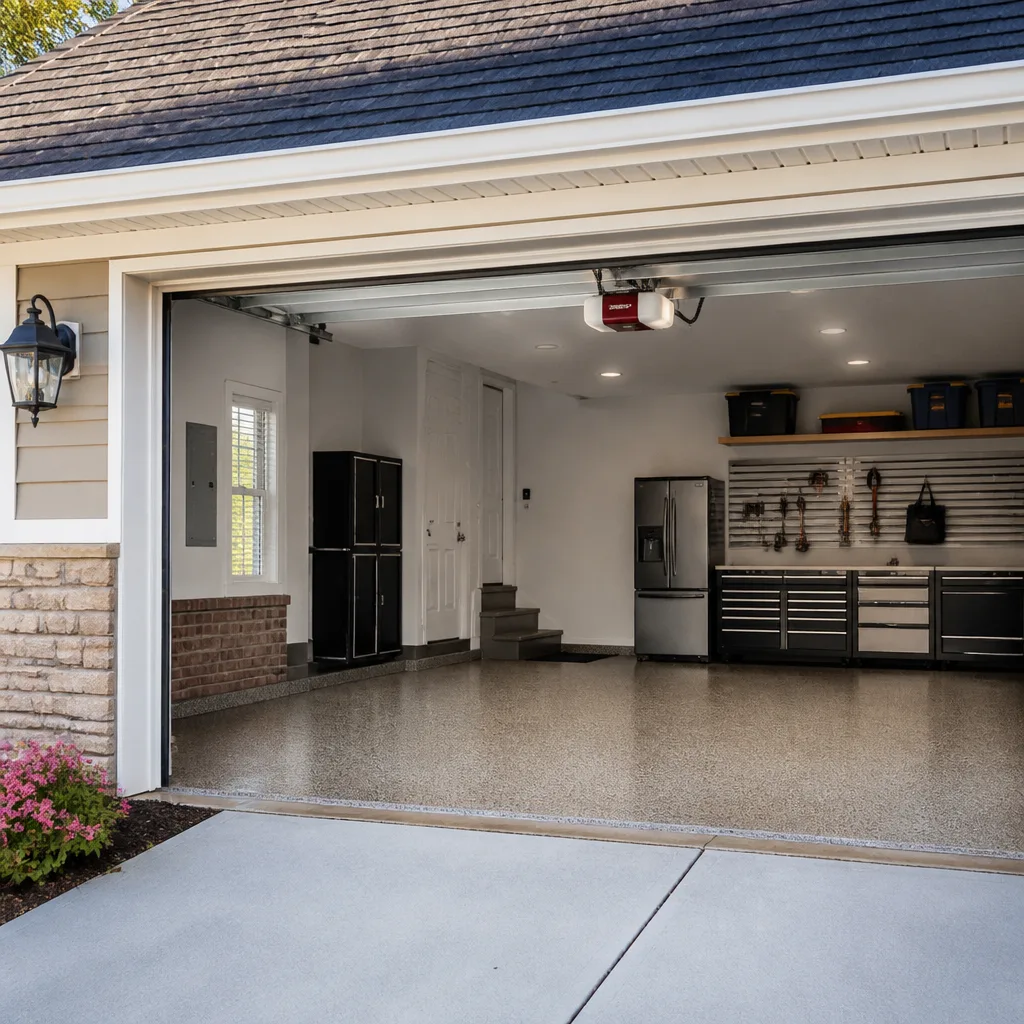 LiftMaster openers
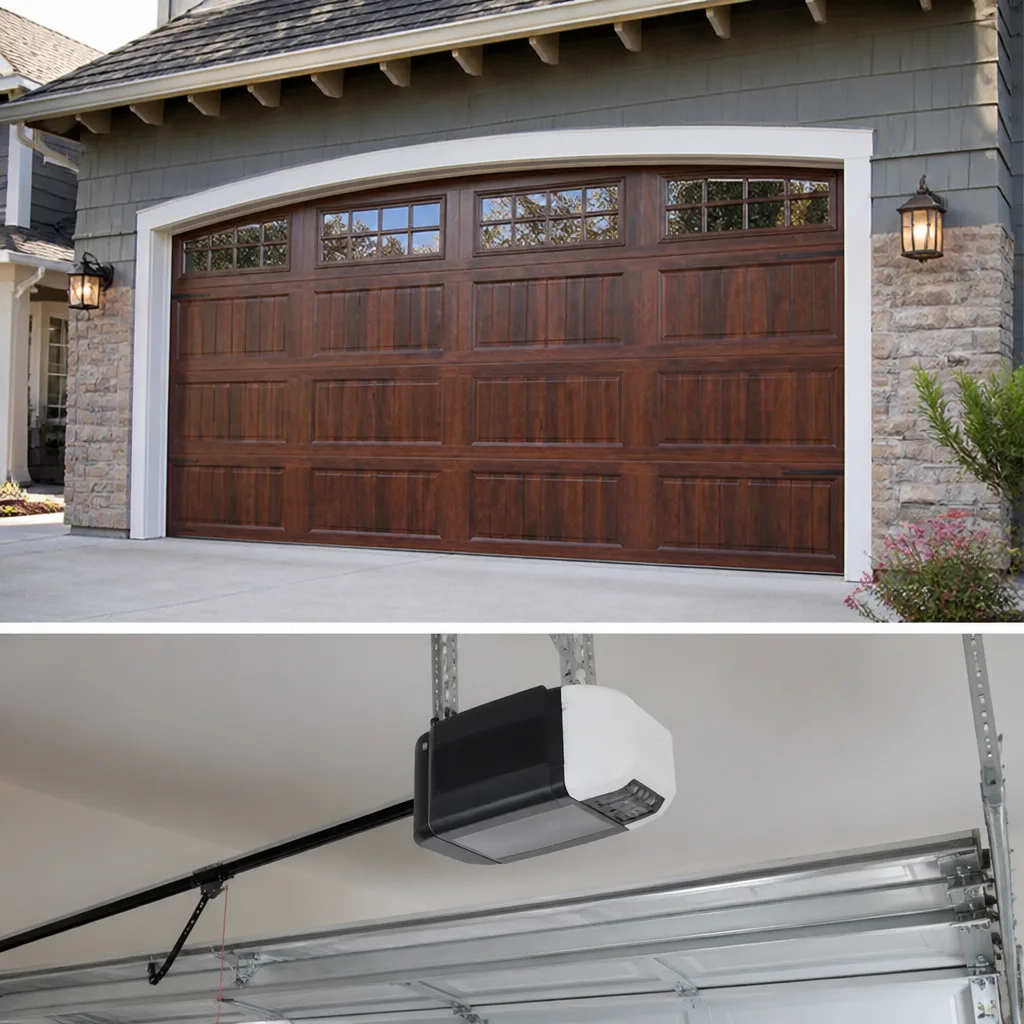 Chamberlain openers
Full 25-point door and opener safety check with every visit - springs, cables, rollers, tracks, and your LiftMaster or Chamberlain opener included
You get a price before we start. It does not change when the pro arrives.
Get your free estimateGarage Door Repair Maintenance Checklist for Tacoma Homeowners
Most homeowners assume their garage door wears out from use. In Tacoma, it’s often the opposite. The door that sits closed through a damp Western Washington winter collects condensation on its springs and hinges, and that moisture does more long-term damage than a hundred open-and-close cycles. Humidity between October and March is the quiet culprit behind a lot of the snapped torsion springs we’re called out to replace. The good news is that rust pitting shows up long before a spring fails, and it’s something you can see with your own eyes. This guide walks you through a maintenance checklist built around Tacoma’s actual weather, month by month, so you can catch the small stuff before it turns into a repair call.
Quick Answer
A good garage door maintenance checklist for Tacoma homeowners covers five things: inspecting torsion springs for rust pitting, lubricating rollers and hinges with the right product, testing the bottom seal with the dollar bill method, checking the opener’s balance and safety reverse, and tightening hardware. Do the heavy checks before the wet season starts in October and again in early spring. Most of it takes under 30 minutes and prevents the majority of emergency spring and opener failures.
Styles & brands we work with
- Raised-panel steel
- Carriage house
- Modern flush
- Full-view glass
- LiftMaster openers
- Chamberlain openers
Table of Contents
- Why Tacoma’s Climate Changes the Maintenance Calendar
- The Month-by-Month Maintenance Sequence
- How to Spot Rust Pitting on Torsion Springs
- Why WD-40 Is the Wrong Choice in Wet Climates
- The Dollar Bill Test for Your Bottom Seal
- What a Professional Tune-Up Covers That You Can’t Do Safely
- Common Mistakes to Avoid
- When to Call a Professional
Why Tacoma’s Climate Changes the Maintenance Calendar
Garage door maintenance advice written for Phoenix or Dallas doesn’t translate to Tacoma. Our problem isn’t heat fatigue or dust in the tracks. It’s moisture, and moisture attacks metal parts that sit still. A torsion spring under tension in a cold, humid garage develops surface rust faster than one in a dry climate, and that rust becomes pitting, and pitting becomes a stress riser where the wire eventually snaps. The same goes for hinges, bearings, and the bottom brackets.
Tacoma’s wet season runs roughly October through March, with the heaviest rain falling between November and January. During those months, most garage doors stay closed far more than they do in summer. That’s the trap. A closed door traps humid air around the springs and hardware, and without airflow the condensation lingers. Add the temperature swings we get when a clear cold night follows a mild rainy day, and you’ve got ideal conditions for rust.
Then comes the other end. Tacoma summers are dry, and by August the wood components of older doors, especially on Wayne Dalton and Raynor models with wood or composite frames, have dried and shrunk slightly. Seals pull away from the floor. Gaps open at the sides. The door that sealed fine in June lets water in by October.
That’s why a Tacoma maintenance calendar has two anchors: a pre-wet-season inspection in late September or early October, and a post-wet-season check in April or May. Everything else fits between them. The guide below sequences tasks around that rhythm rather than the generic “spring and fall” categories you’ll find on most manufacturer sites.
The Month-by-Month Maintenance Sequence
Here’s how we’d sequence a full year of garage door care in Tacoma. You don’t need to do every task in every month, but following this order means you’re addressing each part of the door at the point in the year when it’s most likely to fail. Print this out and stick it on the wall next to the opener.
- January through March: watch for rust and ice. This is peak rust season. Once a month, open the door and look at the torsion springs and hinges with a flashlight. Wipe away any visible moisture. If you see orange-brown discoloration starting, note it and plan a spring inspection. Check that the bottom seal isn’t frozen to the floor on cold mornings before you run the opener.
- April: post-wet-season deep check. This is the big one. Inspect springs for pitting, lubricate all hinges, rollers, and the torsion bar bearings, test the balance of the door, and run the safety reverse test on the opener. This is also the month to check for any water intrusion damage around the bottom seal.
- May through June: hardware tighten-down. Temperature swings loosen bolts. Go around the door with a socket set and check every hinge bolt, the track brackets, and the opener rail bolts. Don’t overtighten; snug is enough.
- July through August: seal and weatherstripping check. Dry summer air shrinks wood and pulls seals away from the floor. Run the dollar bill test (covered below). Replace any bottom seal that’s cracked, brittle, or no longer making contact. This is also the month to clean and lubricate the tracks themselves.
- September: pre-wet-season prep. Lubricate everything that moves. Check the weatherstripping around the door perimeter. Test the opener’s force settings. If your springs are more than a few years old or show any rust, get them looked at before the wet season, not after.
- October through December: monitor and respond. Open the door a few times a week even if you don’t need to. Airflow helps. Watch for any change in sound or speed. A door that hesitates or grinds in November is telling you something before it fails.
One more Tacoma-specific note: if your garage is unheated and sits below grade or against a hillside, as many do in neighborhoods around North Tacoma and the West End, it will run damper than a detached garage. Those doors need the spring inspection more often, sometimes every other month during the wet season. A cheap hygrometer on the garage wall tells you whether you’re dealing with a genuinely humid space or just normal seasonal moisture.
How to Spot Rust Pitting on Torsion Springs
Rust pitting is the single best early-warning sign that a torsion spring is heading toward failure. It looks like small dark craters or rough patches on the surface of the spring wire, not just a light orange dusting. If you see pitting, the spring has already begun to lose strength and should be inspected by a technician. Don’t try to treat it, paint over it, or ignore it.
Here’s how to check, safely:
- Close the door completely. The springs should be under tension, but a closed door puts the least load on the system and keeps the door from moving unexpectedly.
- Stand to the side, never underneath. Torsion springs are mounted on the shaft above the door. Never stand directly below them while inspecting, and never touch them.
- Use a flashlight. Look along the full length of each spring for dark spots, rough texture, or flaking. Pay special attention to the coils near the center bearing plate and the winding cones at each end, where stress concentrates.
- Check the color, not just the surface. A light, even orange haze is normal surface oxidation and worth a wipe-down. Dark brown or black pitting with visible depth is a warning sign.
- Listen for the sound. A spring that’s starting to weaken will sometimes make a sharp crack or pop when the door operates. Don’t investigate that yourself. Call a technician.
On a two-spring system, both springs are almost always replaced together. A matched pair keeps the door balanced and prevents the remaining spring from failing weeks later. Expect a pair to cost roughly double a single spring, so ask for the pair price up front.
One more thing about springs: they are under extreme tension and can cause serious injury if handled without the right winding bars and training. This is not a DIY repair, full stop. Visual inspection is safe. Anything beyond that isn’t.
Why WD-40 Is the Wrong Choice in Wet Climates
WD-40 is a solvent, not a lubricant, and in Tacoma’s damp climate it does the opposite of what you want. It displaces moisture short-term, but it evaporates quickly and leaves metal drier than before, which invites the rust you’re trying to prevent. Worse, it can wash away the factory grease packed into sealed bearings on your rollers, and that grease isn’t coming back.
What to use instead:
- White lithium grease or a silicone-based garage door lubricant for hinges, rollers, and the torsion bar bearings. These stay put through wet weather and don’t attract dust the way petroleum jelly does.
- Silicone spray for the tracks, weatherstripping, and any nylon rollers. Silicone won’t degrade rubber seals and won’t collect grit.
- Never use motor oil or cooking spray. Both attract dust, which turns into a grinding paste inside your tracks and rollers.
Lubricate the hinges at the pivot points, the roller stems (not the roller wheels themselves if they’re nylon), the torsion bar bearings at each end, and the opener rail. Skip the tracks themselves unless they’re visibly dirty; a clean dry track is better than an over-lubricated one. Do this in April and again in September, and you’ll cover both the end of the wet season and the start of the next one.
If your door has an opener from LiftMaster, Chamberlain, Genie, or Craftsman, check the owner’s manual for any lubrication restrictions on the rail or drive system. Belt-drive openers generally need less maintenance than chain-drive, but both benefit from an annual check.
The Dollar Bill Test for Your Bottom Seal
The dollar bill test tells you whether your bottom seal is actually sealing, and in Tacoma’s rainy season a failing seal is a direct path for water into your garage. The test takes about a minute and is the easiest way to catch a seal problem before it causes floor damage, mold, or a soaked stored item.
- Close the garage door fully.
- Slide a dollar bill (or a piece of paper) under the bottom seal at several points along the width. Try the center, both corners, and two spots in between.
- Pull gently. If the bill slides out easily, the seal isn’t making contact at that point. If it resists or tears, the seal is doing its job.
- Check the sides and top too. Run your hand along the perimeter weatherstripping and look for gaps, cracks, or sections pulling away from the frame.
If the bill slides out in more than one spot, the bottom seal needs replacing. On many Amarr and Clopay doors, the bottom seal is a slide-in vinyl or rubber astragal that’s straightforward to swap. On older wood doors with nailed-on seals, it’s more involved. Either way, replacing a worn bottom seal before October is one of the highest-value maintenance tasks you can do in Tacoma. A failed seal lets water pool on the garage floor, and standing water against the door’s bottom section accelerates rot and rust on the bottom brackets.
While you’re at it, check the concrete apron where the door meets the floor. If the concrete is cracked or sloped away from the door, even a good seal will let water in during heavy rain. A tube of concrete crack filler solves most of those cases.
What a Professional Tune-Up Covers That You Can’t Do Safely
A professional tune-up is not just a more thorough version of what you can do yourself. It covers specific tasks that require training, tools, and the ability to work safely around high-tension components. Here’s what a technician checks that you should not attempt:
- Spring tension and balance. A technician measures the door’s balance and can adjust or replace springs safely using winding bars. This is the single most dangerous part of any garage door system.
- Cable inspection and adjustment. Lift cables are under high tension and can snap violently. A technician checks for fraying, kinks, and proper spooling on the drums.
- Opener force and travel limits. These settings are calibrated to the specific door weight and need to be adjusted with a force gauge or by a technician who knows the manufacturer’s specs. Incorrect settings cause premature opener failure or safety failures.
- Roller and bearing replacement. Worn rollers and bearings get replaced on the spot, not just lubricated.
- Track alignment. Bent or misaligned tracks cause the door to bind and stress the opener. A technician can straighten or replace track sections properly.
- Safety reverse test. The opener’s safety reverse must be tested with a proper obstruction and adjusted if it fails. A door that doesn’t reverse on contact with an object is a serious safety hazard.
In our experience, the tune-up is also where we catch the things a homeowner can’t see: a cable that’s about to fail, a spring with internal pitting that’s not yet visible on the surface, or an opener gear that’s worn past the point of reliable operation. Those are the findings that prevent emergency calls. Our technicians have up to 11 years of experience and work on all the major brands, including Amarr, Wayne Dalton, Craftsman, and Raynor, so they know what to look for on your specific system.
For a deeper look at what a full service visit involves, see our page on garage door repair. If your opener is the part that’s struggling, we also cover garage door opener repair as a standalone service.
Common Mistakes to Avoid
- Using WD-40 on hinges and rollers. In Tacoma’s wet climate, WD-40 displaces moisture briefly and then evaporates, leaving metal drier and more rust-prone than before. Use white lithium grease or a silicone-based lubricant instead.
- Ignoring rust on springs until they snap. Surface rust is easy to wipe away. Pitting is not. If you see dark rough patches on the spring wire, get it inspected before the wet season, not after the door stops working.
- Skipping the dollar bill test after summer. Tacoma’s dry summers shrink wood and pull seals away from the floor. A seal that passed in June often fails by October, and that’s when the rain starts.
- Replacing only one spring of a pair. On a two-spring door, the springs wear together. Replacing one leaves the other to fail soon after, and the door runs unbalanced in the meantime. Replace both.
- Trying to adjust or replace torsion springs yourself. This is the most dangerous garage door repair there is. The tension on a wound spring is enough to cause serious injury. Visual inspection is fine; everything else needs a trained technician.
- Overtightening hinge and track bolts. Snug is enough. Overtightening strips threads and can warp the track, which causes the door to bind.
- Assuming a noisy door needs replacement. Most noise comes from dry hinges, worn rollers, or a loose opener chain. A tune-up with proper lubrication solves most of it. Repair first, replace only when necessary.
When to Call a Professional
Call a professional if you see rust pitting on your torsion springs, if the door is unbalanced (it should stay put when you lift it halfway and let go), if the opener strains or reverses unexpectedly, if you hear a loud crack or pop, or if the door won’t open or close at all. Any of these means the door needs a trained eye. Spring and cable work is genuinely dangerous and belongs with someone who does it every day.
Garage Door Repair Tacoma Pros offers free estimates in Tacoma. Our technicians have up to 11 years of experience, we work on all the major brands, and we can help you decide whether a repair or a replacement makes sense. Call (866) 937-8952 for a free estimate. We answer 24/7. Fast dispatch from 7am to 7pm, Sunday through Friday. We’re closed Saturday.
See the difference
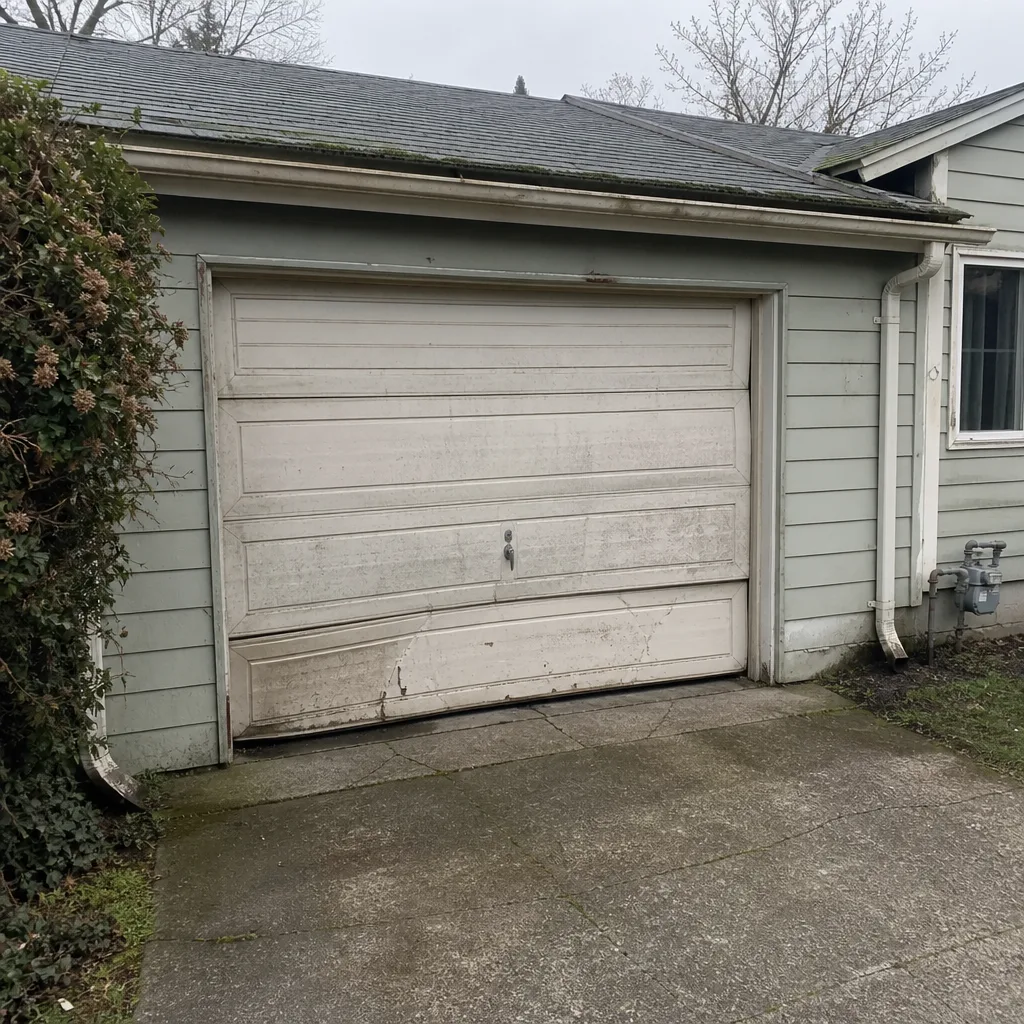 Before
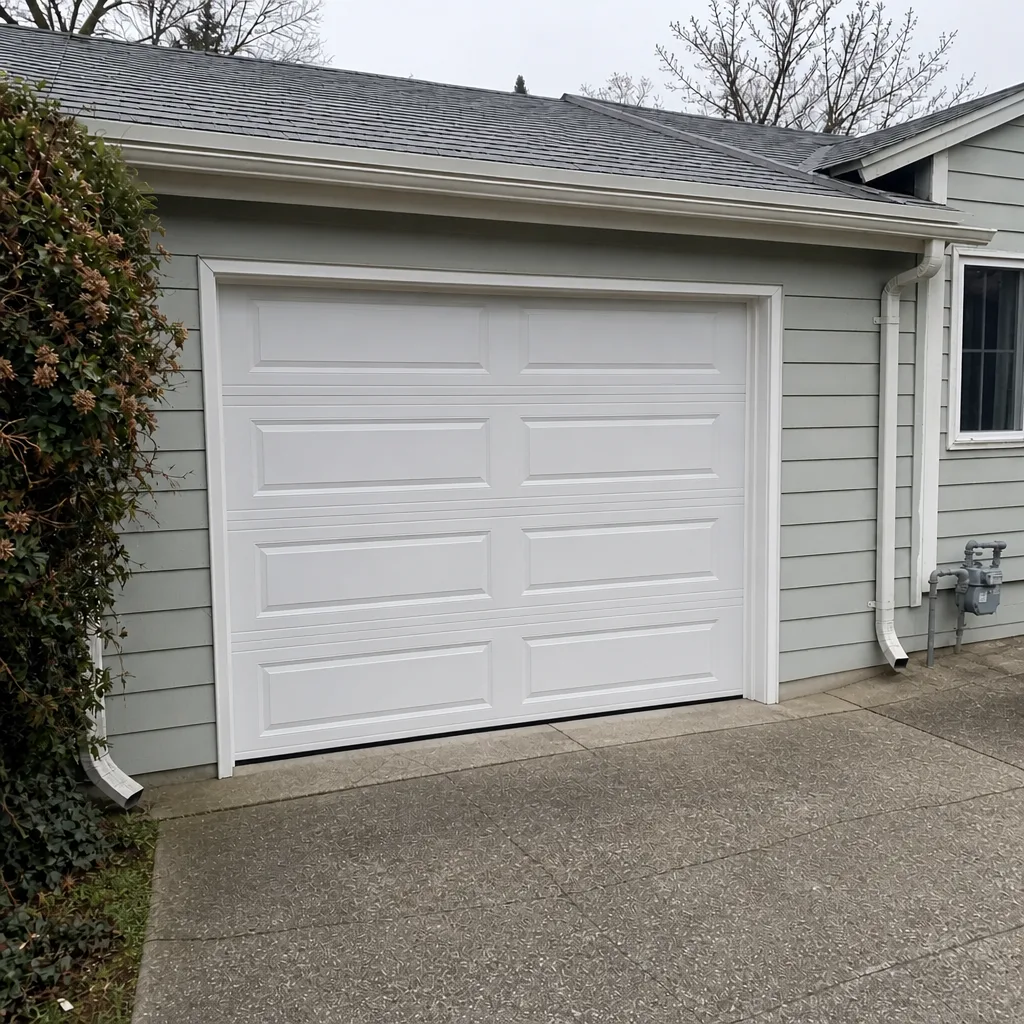 After
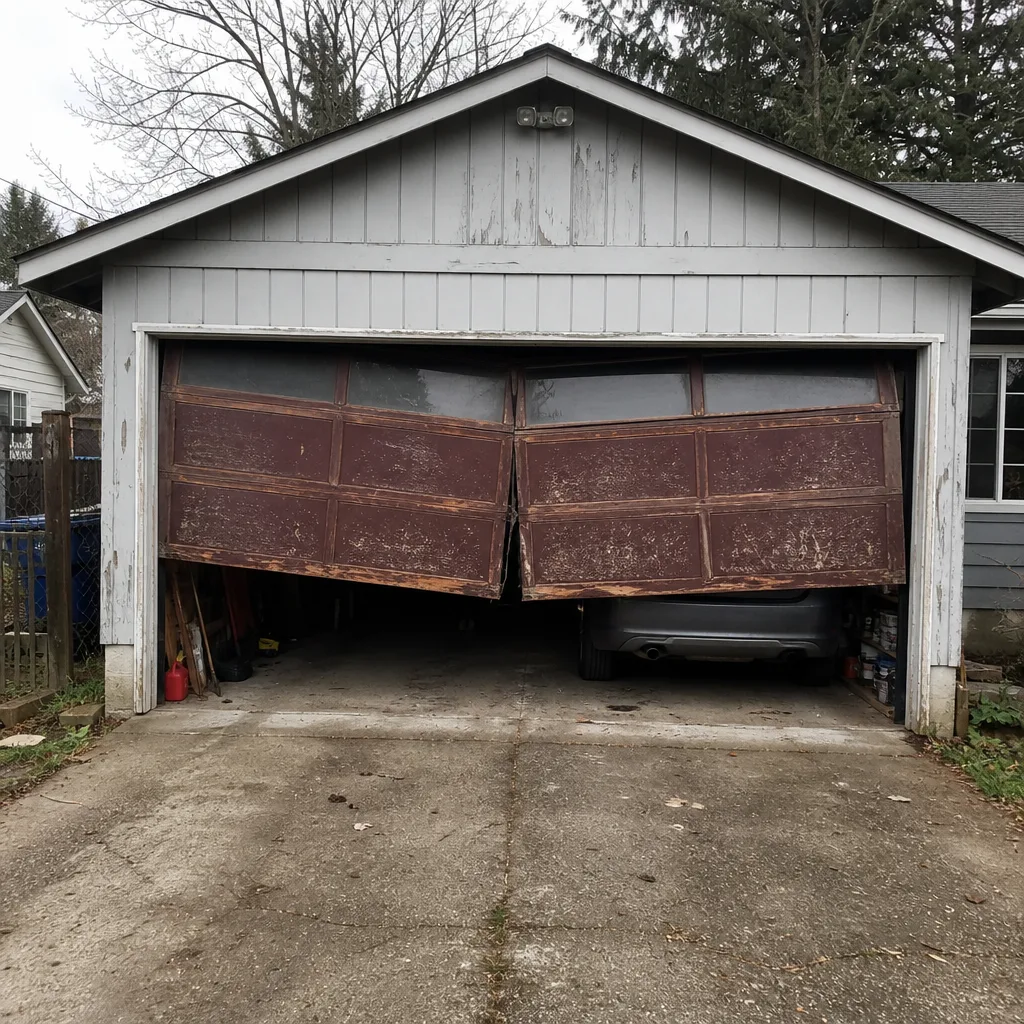 Before
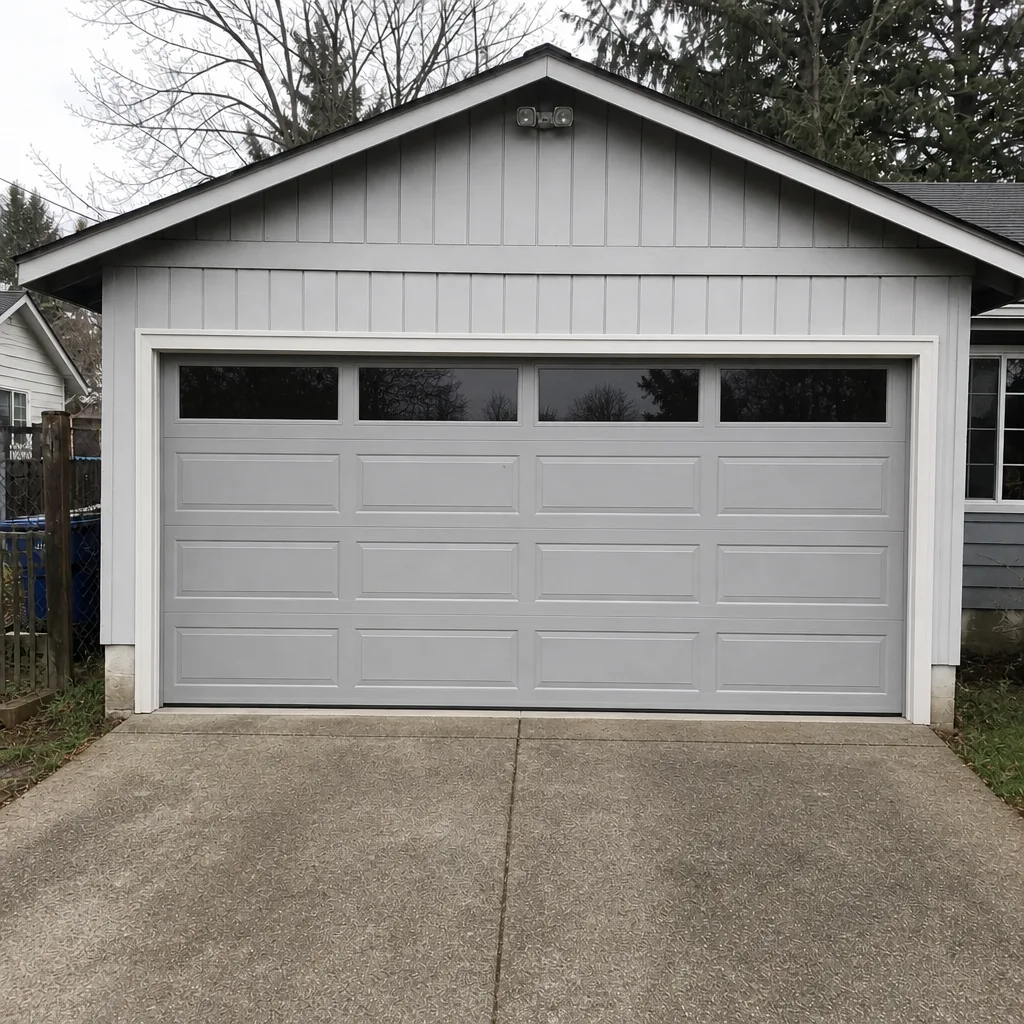 After
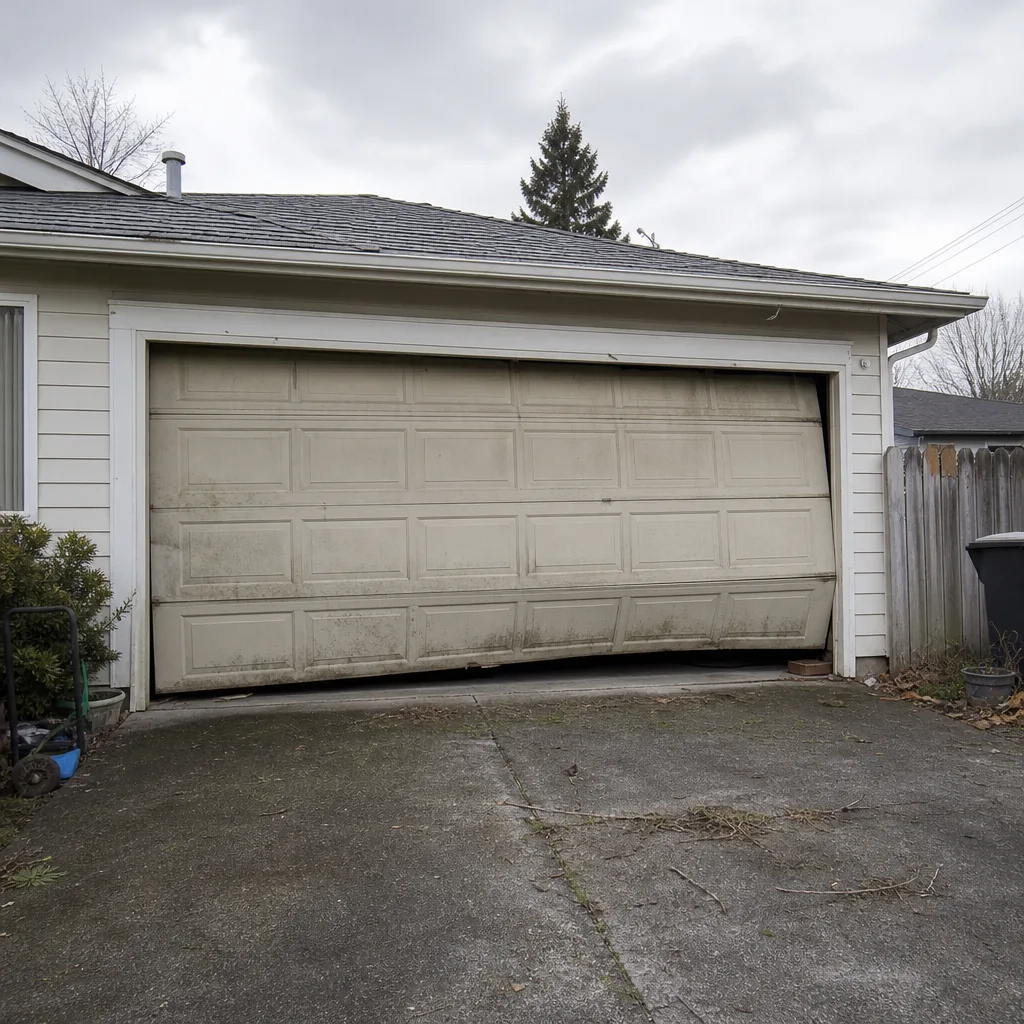 Before
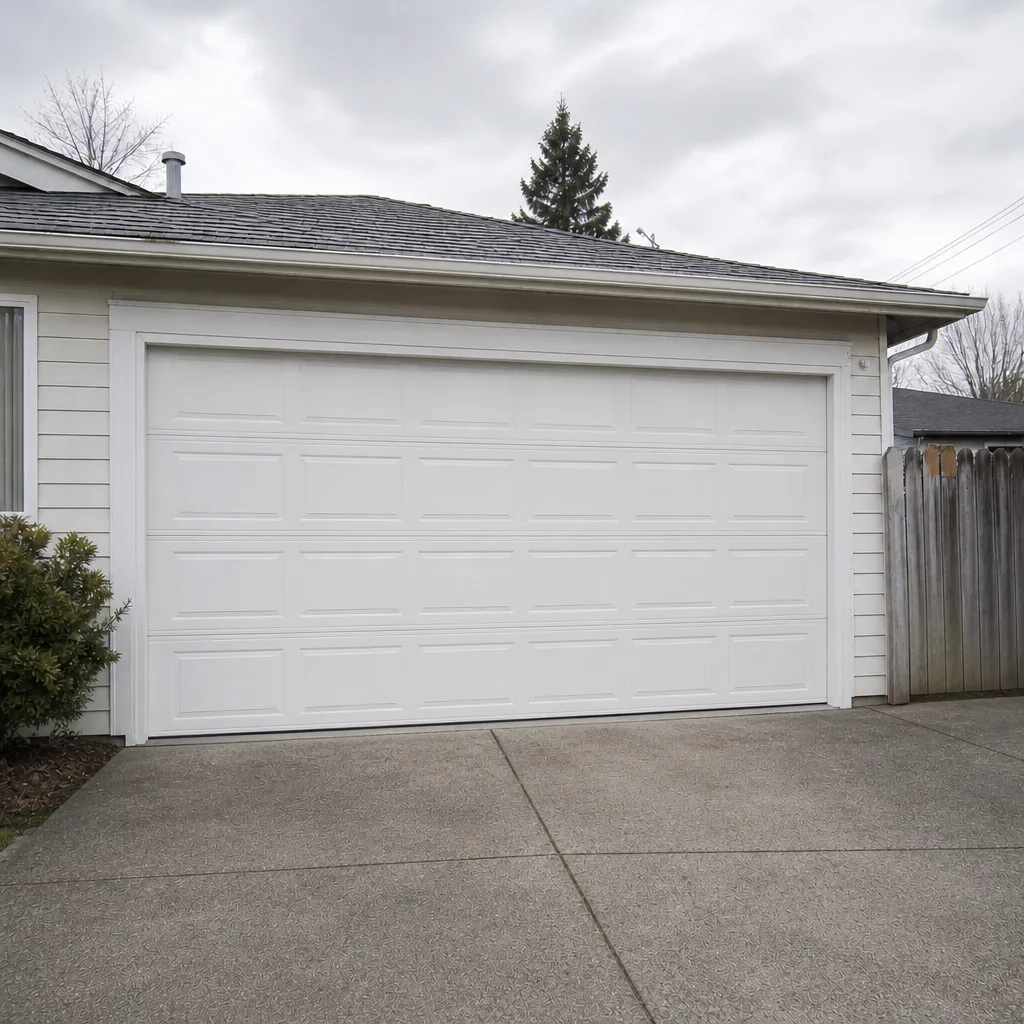 After
Frequently Asked Questions
Twice a year is the standard: once in April after the wet season and once in September before it starts. If your garage is unheated or sits against a hillside, check the springs for rust every other month during the wet season as well. A professional tune-up once a year catches what a visual check can’t.
Spring repair pricing depends on the type of spring, the door’s weight, and whether it’s a single spring or a matched pair. Most homes have a pair, and both are usually replaced together, so a pair costs roughly double a single spring. We quote the price in writing before any work starts, so you’ll know the cost before we touch the door. Call (866) 937-8952 for an exact quote. Estimates are free.
In most cases, yes. Emergency service is a core part of what we do, and a door that won’t move is a same-day priority for us. Call (866) 937-8952. We answer 24/7. Fast dispatch from 7am to 7pm, Sunday through Friday. We’re closed Saturday.
No. We inspect the door, diagnose the problem, and give you a written price before any work begins. That price is what you pay. If we find something else that needs attention, we’ll tell you and you can decide whether to proceed.
Yes. We connect you with state-licensed, insured and bonded professionals, and our technicians have up to 11 years of experience. They work on all the major brands, including Amarr, Wayne Dalton, Craftsman, and Raynor, so they know your system.
A homeowner tune-up covers lubrication, visual inspection, the dollar bill test, and tightening hardware. A professional tune-up adds spring tension checks, cable inspection, opener force calibration, safety reverse testing, and roller and bearing replacement. Those are the tasks that require training and the right tools.
The Bottom Line
Tacoma’s wet season is harder on garage doors than daily use. The checklist that matters most is the one sequenced around the climate: spring rust inspection through the wet months, a deep check in April, seal and weatherstrip attention in late summer, and full lubrication before October. Avoid WD-40, test your bottom seal with a dollar bill, and leave spring and cable work to a technician. If you want help with any of it, Garage Door Repair Tacoma Pros is here for the whole scope, from a tune-up to a full garage door installation. Our technicians have up to 11 years of experience, we work on your brand, and we repair first and replace only when necessary. For the full picture of what we do, visit Garage Door Repair Tacoma Pros.
Written by the team at Garage Door Repair Tacoma Pros.